
Maduro fights US narcoterror case in New York
OFAC blocks Venezuelan state funds for private defence, sanctions turn a government into a set of licenced cashflows
Images
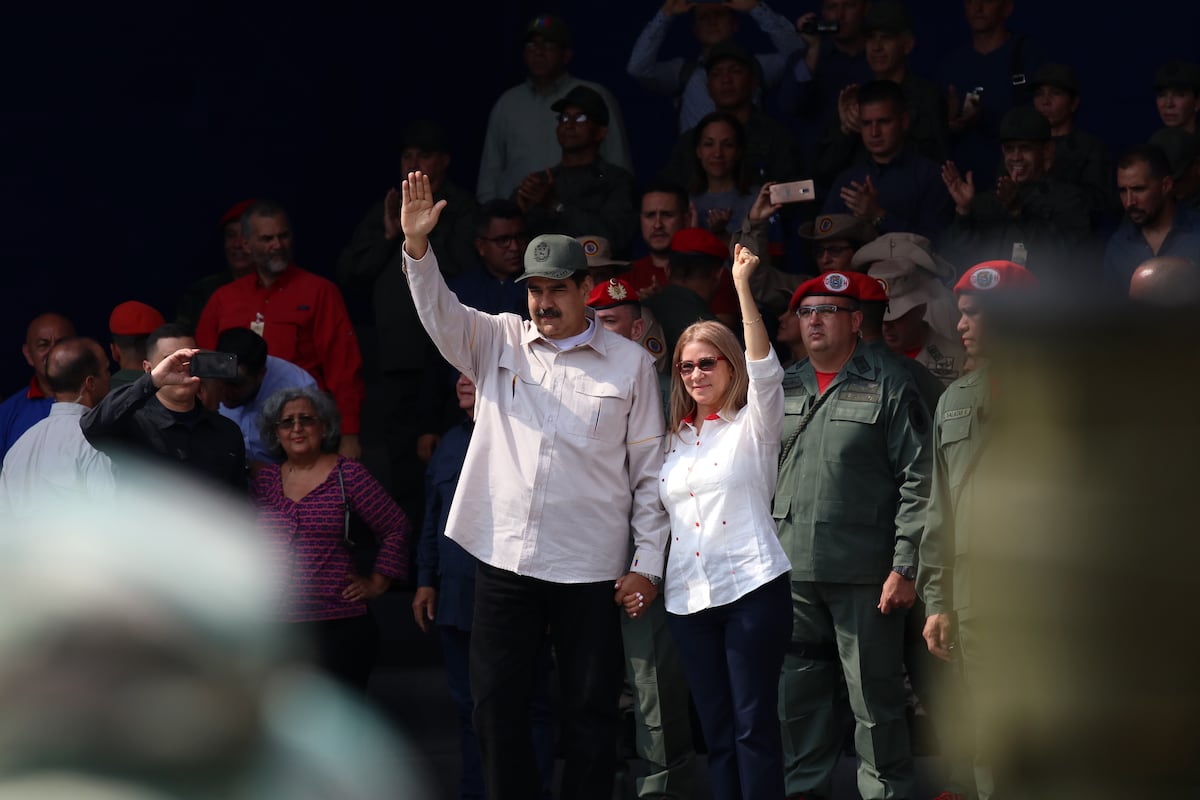 The keys to the long legal process facing Nicolás Maduro and Cilia Flores in the US
english.elpais.com
The keys to the long legal process facing Nicolás Maduro and Cilia Flores in the US
english.elpais.com
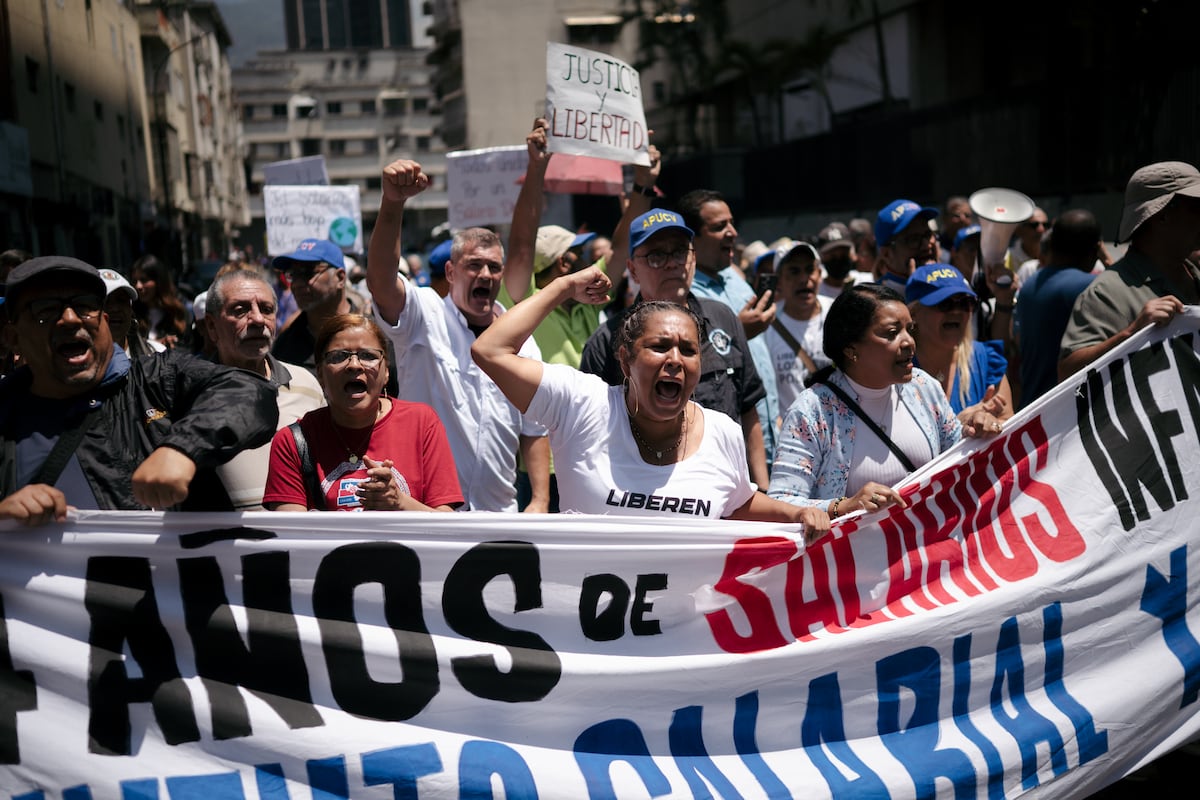 Venezuela’s economy trapped between paralysis and inflation
english.elpais.com
Venezuela’s economy trapped between paralysis and inflation
english.elpais.com
Nicolás Maduro appeared again in a New York federal courtroom on March 26 as his lawyers tried to turn U.S. sanctions into a procedural escape hatch. According to El País, the defence asked Judge Alvin Hellerstein to dismiss the case after the Treasury Department’s Office of Foreign Assets Control (OFAC) refused to let the defendants use Venezuelan state funds to pay private counsel—despite a licence briefly issued in January and revoked hours later as an “administrative error.”
The argument is less about innocence than about leverage. Maduro has described himself as a “prisoner of war,” a label that fits poorly with an ordinary criminal docket but neatly with diplomacy: prisoners can be traded, exchanged, or released under political deals, while convicts are supposed to serve sentences. The money dispute makes that bargaining logic explicit. OFAC’s position—sanctioned state funds cannot be used to pay another sanctioned individual’s private lawyers—forces Maduro and Cilia Flores toward court-appointed representation, narrowing their ability to run a defence strategy built around delay, media management, and high-end legal talent.
At the same time, Washington’s sanctions architecture turns the Venezuelan state into a set of controllable financial pipes. Licences can be granted, withdrawn, or reissued; assets can be frozen or unfrozen; legal fees can become a permitted transaction or a blocked one. El País notes that OFAC has previously allowed sanctioned governments such as Russia, Syria, and Iran to pay lawyers in U.S. cases when the client is the state or a state entity, but not when the client is an individual. That distinction matters because it defines what the U.S. is really regulating: not “Venezuela” as a nation, but specific legal persons and cashflows.
The courtroom battle lands back in Caracas as inflation and currency instability continue to dominate daily life. El País reports Venezuela’s annualised inflation running around 600%, with the bolívar down nearly 20% against the dollar so far this year and a widening gap between official and parallel exchange rates. Sanctions relief and new oil licences after the U.S. military strike have brought extra revenue, but the state still runs a fiscal deficit estimated at 9% of GDP. Wages remain anchored to a formal minimum that is worth cents, with compensation shifted into bonuses that do not count toward benefits—an accounting trick that keeps liabilities low while leaving households to manage volatility through remittances, informal credit, and second jobs.
In New York, the prosecution is building a decade-plus narcoterrorism case; in Venezuela, citizens are trying to price groceries in a currency that moves faster than pay. Both processes treat the state less as a provider of order than as a contested asset—either to be seized, licensed, or litigated.
By the end of the March 26 hearing, the judge had not dismissed anything. The practical question on the docket was whether a sanctioned government could pay a sanctioned leader’s legal bill.