
UK petrol prices jump above 150p per litre
Iran threatens Hormuz closure and Asda warns of temporary pump shortages, war-risk insurance and trade finance start rationing fuel before physical scarcity hits
Images
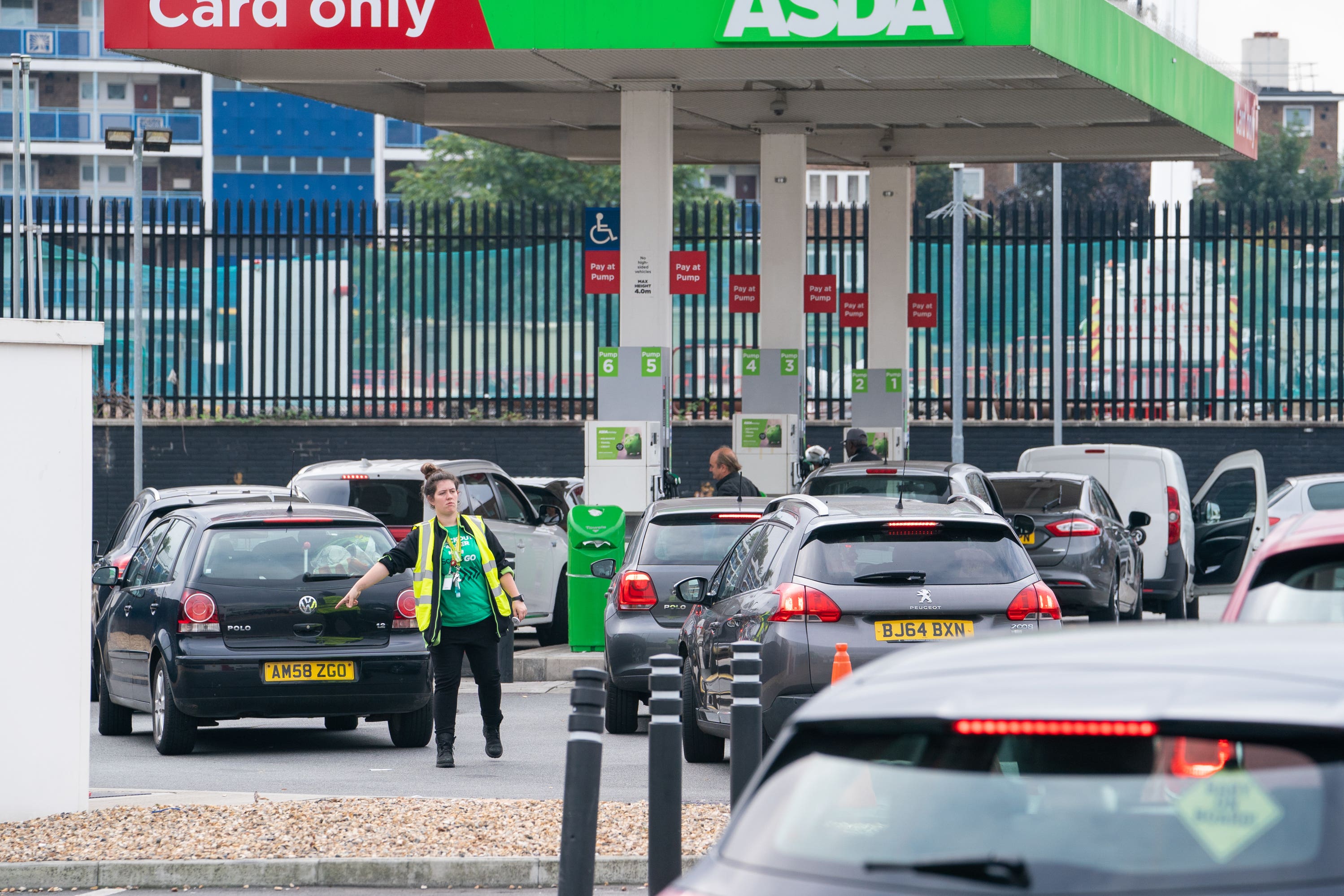 The UK’s second largest fuel retailer also rejected accusations that petrol sellers might be ‘profiteering’ from higher pricing in recent weeks (PA)
independent.co.uk
The UK’s second largest fuel retailer also rejected accusations that petrol sellers might be ‘profiteering’ from higher pricing in recent weeks (PA)
independent.co.uk
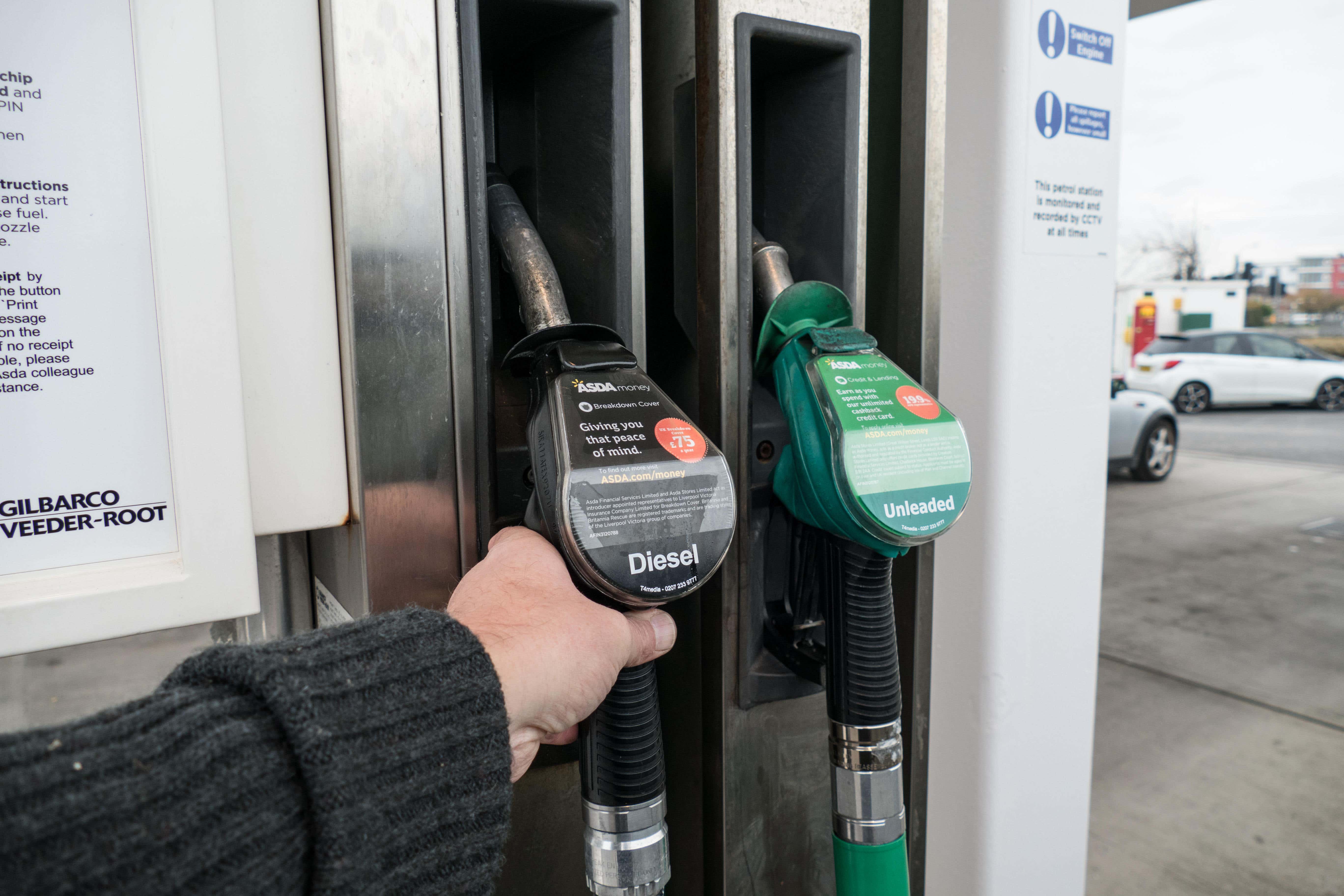 RAC data reveals that the average price of unleaded petrol has surged by more than 14p a litre, now standing at 147.19p (Alamy/PA)
Alamy/PA
RAC data reveals that the average price of unleaded petrol has surged by more than 14p a litre, now standing at 147.19p (Alamy/PA)
Alamy/PA
 nbcnews.com
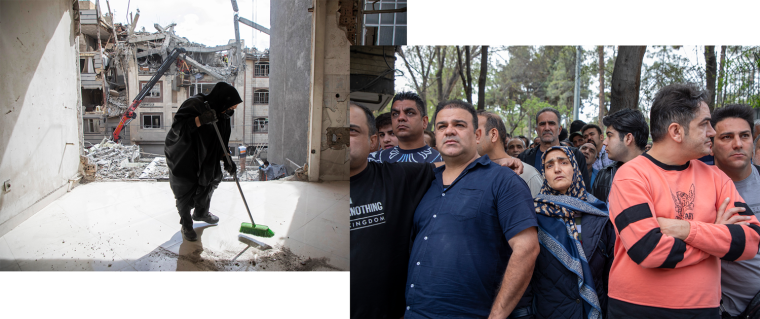 Damage to residential buildings following an airstrike in Tehran on Friday. Majid Saeedi / Getty Images
nbcnews.com
Damage to residential buildings following an airstrike in Tehran on Friday. Majid Saeedi / Getty Images
nbcnews.com
 Iran's Kharg Island might become central to the war
nbcnews.com
Iran's Kharg Island might become central to the war
nbcnews.com
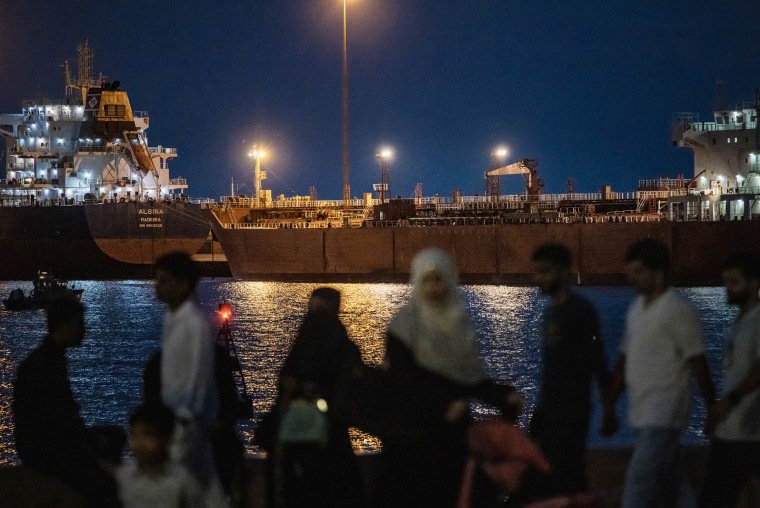 Bulk carriers sit anchored in Muscat, Oman as the Strait of Hormuz remains too dangerous to pass on March 22, 2026.Elke Scholiers / Getty Images
nbcnews.com
Bulk carriers sit anchored in Muscat, Oman as the Strait of Hormuz remains too dangerous to pass on March 22, 2026.Elke Scholiers / Getty Images
nbcnews.com
 A displaced child at a temporary encampment in Beirut on Thursday.Murat Sengul / Anadolu via Getty Images
nbcnews.com
A displaced child at a temporary encampment in Beirut on Thursday.Murat Sengul / Anadolu via Getty Images
nbcnews.com
UK petrol has climbed back above 150 pence a litre, with diesel nearing 180p, after Iran said it would close the Strait of Hormuz and shipping risk in the Gulf surged again, according to The Independent. Asda executive chair Allan Leighton warned that demand spikes are already causing “temporary shortages” at “the odd pump” as forecourts wait for deliveries. Brent crude has traded back around $110 a barrel after briefly dipping below $100 on hopes of talks.
The price shock is not just about how much oil exists in the world; it is about whether a cargo can be moved, insured, financed and delivered on schedule. When war-risk premiums jump, insurers reprice routes and tighten terms, and the cost lands immediately on shippers—often before any physical shortage shows up in refinery output. Banks that provide trade finance then face a different problem: they are not lending against a stable flow of cargoes but against a chain of counterparties whose ability to perform now depends on missiles, drones, port closures and political permissions. A small change in perceived probability can turn into a hard “no” from credit committees, reducing the number of voyages that can be funded at any price.
That private tightening behaves like rationing. Fewer cargoes move, inventories stop being run “lean,” and buyers with the most urgent need bid up whatever supply is already onshore. The result is a clearing price for uncertainty, not a simple pass-through from crude to pump. Leighton’s comment that “spikes can lead to temporary shortages” describes this micro-mechanism: drivers react to volatility by filling up early, while the logistics pipeline—scheduled deliveries, tanker availability, terminal capacity—cannot expand overnight.
Political responses tend to chase the visible number on the forecourt sign. Accusations of “profiteering,” which Leighton rejected, focus on retail margins even as he said Asda’s margin would be down. Tax cuts can soften the immediate hit but also push the bill onto the state balance sheet, while price caps risk turning a high price into empty pumps by making it unprofitable to deliver marginal supply. The market’s version of discipline is blunt but fast: higher prices and tighter credit shrink consumption and force prioritisation without a parliamentary vote.
In the UK, the practical advice from the RAC was to “shop around” and avoid motorway service stations, where unleaded averaged 166p and diesel 182p, according to The Independent. Even before any formal blockade, the fuel system is already behaving as if one exists.