
British collector amasses 260 postboxes on Isle of Wight
Royal Mail removals turn everyday infrastructure into salvage, a mile walk to the nearest box becomes the exhibit’s backstory
Images
 ‘I’m not allowed to have a favourite’: Arthur Reeder with his collection in the Isle of Wight. All photographs: Peter Flude/The Guardian
theguardian.com
‘I’m not allowed to have a favourite’: Arthur Reeder with his collection in the Isle of Wight. All photographs: Peter Flude/The Guardian
theguardian.com
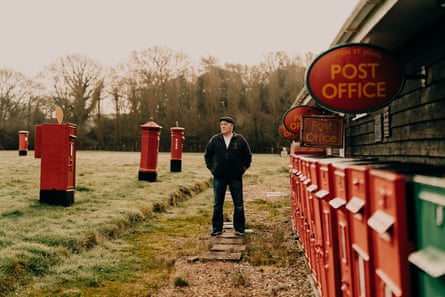 Portrait of Arthur Reeder, who collects postboxes and owns the Isle of Wight Postal Museum, pictured at the museum which is in his garden at home in Newport, The Isle of Wight. February 2026
theguardian.com
Portrait of Arthur Reeder, who collects postboxes and owns the Isle of Wight Postal Museum, pictured at the museum which is in his garden at home in Newport, The Isle of Wight. February 2026
theguardian.com
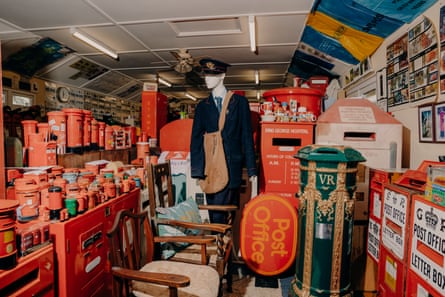 Postboxes and related accessories at the Isle of Wight Postal Museum, February 2026
theguardian.com
Postboxes and related accessories at the Isle of Wight Postal Museum, February 2026
theguardian.com
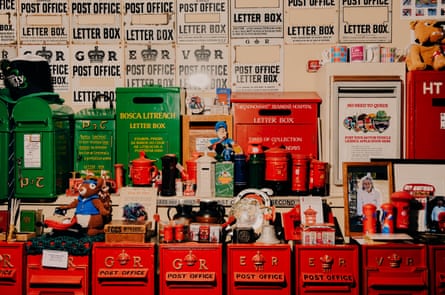 Postboxes and related accessories at the Isle of Wight Postal Museum, February 2026
theguardian.com
Postboxes and related accessories at the Isle of Wight Postal Museum, February 2026
theguardian.com
Arthur Reeder builds a postbox museum on the Isle of Wight, Royal Mail’s retreat from daily infrastructure turns street furniture into salvage, collectors now catalogue what service providers discard
**OPENING** Arthur Reeder says his collection began with a vandalised Victorian postbox pulled from a skip at Rhyl station in 1994 for £20. Today he keeps more than 260 postboxes in a private museum on the Isle of Wight, with examples from Scotland, Ireland and even Hong Kong, according to The Guardian. The hobby has grown into scheduled visits, from walk-ins to parties of up to 90 people, inside what is effectively a warehouse for Britain’s shrinking postal hardware.
**BROADENING** Reeder’s origin story is not a romantic antiquarian hunt so much as a byproduct of disposal: a box burned, removed, and thrown away because it was no longer worth repairing. He describes how the collection accelerated once he wrote a specialist-magazine piece and word spread through enthusiasts and postal workers; the pipeline is informal but consistent—old boxes appear in gardens, garages, and storage yards, and someone with space and patience hauls them away. Royal Mail, he says, keeps items in storage yards before scrapping them, and his reputation means he sometimes gets called when clear-outs happen.
That supply chain exists because the postal network is being pared back in ways that are visible at street level. Reeder notes his own local postbox was removed last Christmas after being deemed unfit, leaving a mile-long walk to the nearest box—“great fun for the elderly people here,” he remarks. When collection points disappear, the remaining objects change category: from public utility to inconvenience to curiosity. The same cast-iron pillar box that once reduced transaction costs for everyone becomes a heavy artefact that only makes sense to keep if someone privately absorbs storage, transport, and restoration costs.
The subculture he describes—the Letter Box Study Group and its network of hobbyists—functions as an alternative record system. Send him a photograph, he claims, and he can identify details and provenance. That kind of expertise used to be embedded in the organisation that installed, maintained, and standardised the boxes. As the operational footprint shrinks, the knowledge migrates to volunteers and collectors, along with the physical inventory.
There is also a quiet inheritance economy. Reeder says he has acquired parts of collections from friends who died, including former postal workers, suggesting that preservation is being carried by ageing enthusiasts rather than by institutions with budgets and mandates. The museum exists because he “needed somewhere to store” the boxes; only later did it become publicly visitable by appointment. In practice, the public gets a museum because one household decided the fixed costs were worth paying.
**CLOSING** Reeder’s standout pieces include a Heinz-branded postbox from the old Park Royal factory, a reminder that large employers once ran their own postal infrastructure on-site. In 2026, the artefacts most likely to survive are the ones that can be carried away when the service provider decides they are scrap metal.