
FAA investigates United jet near miss with Army Black Hawk at John Wayne Airport
Collision-avoidance alert triggers last-second leveling on final approach, regulators revisit visual separation rules after 2025 DCA crash
Images
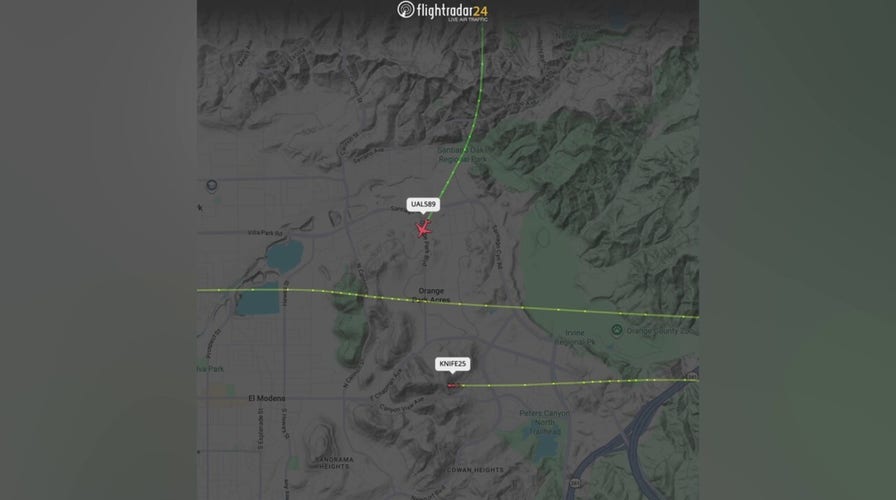 Video shows United Boeing 737, Black Hawk helicopter near miss at California airport
foxnews.com
Video shows United Boeing 737, Black Hawk helicopter near miss at California airport
foxnews.com
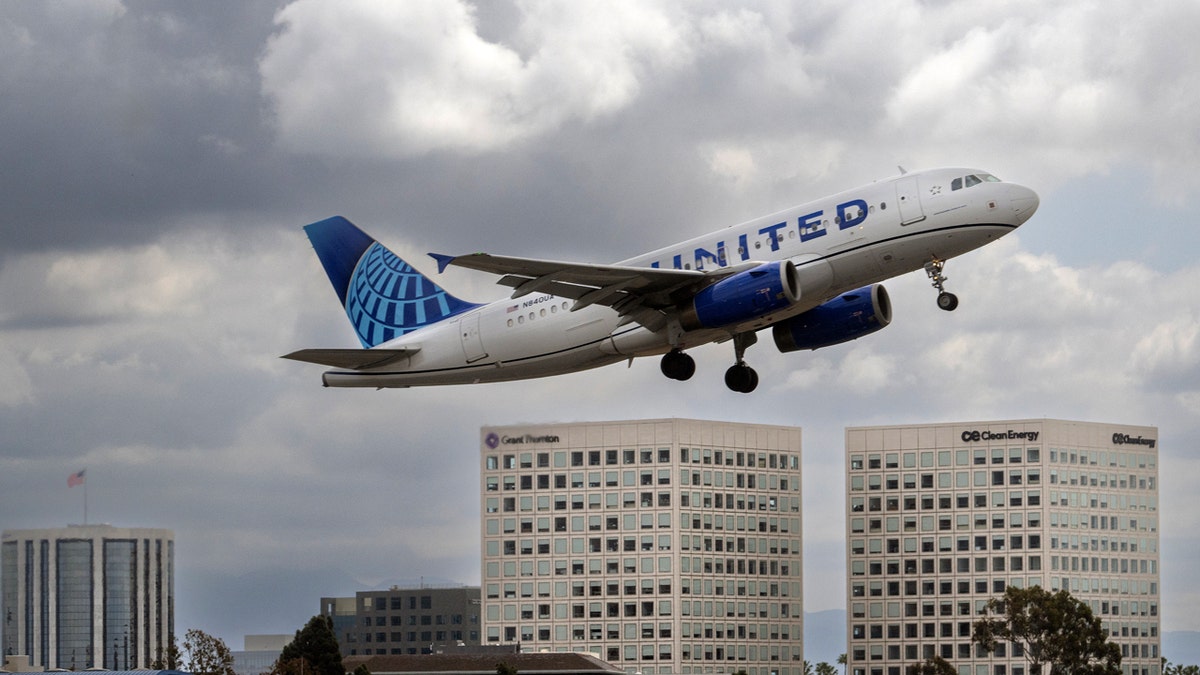 United plane flying out of John Wayne airport
foxnews.com
United plane flying out of John Wayne airport
foxnews.com
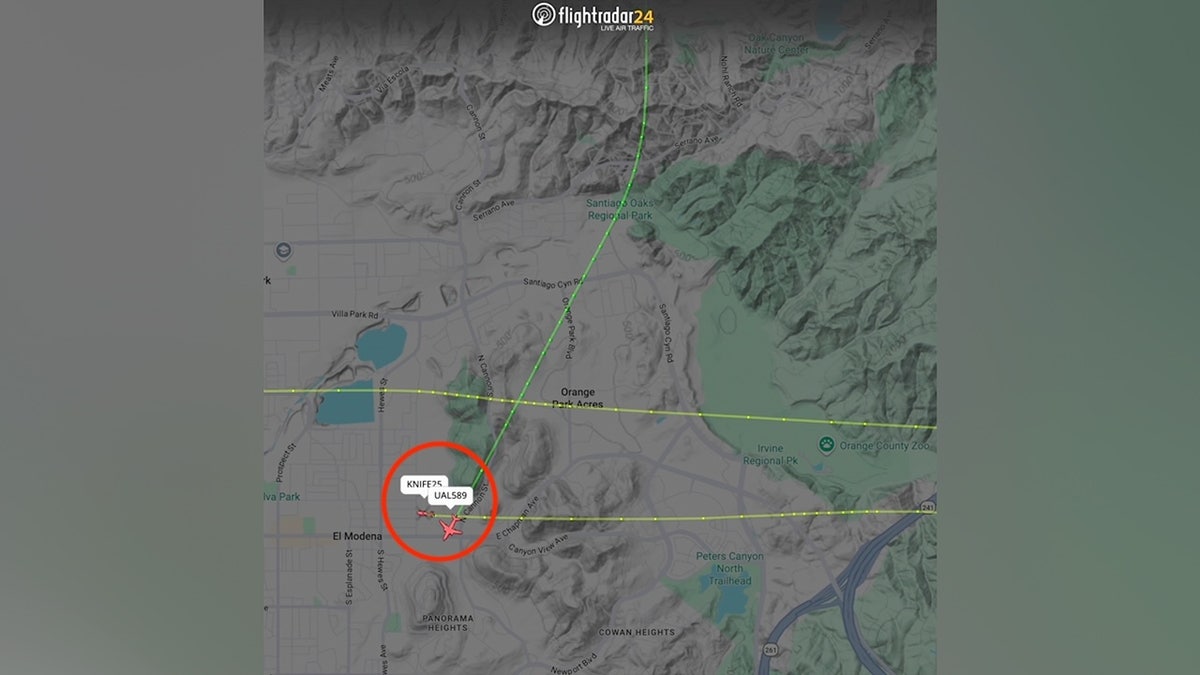 A map of the aircraft path showed the near-collision in California.
foxnews.com
A map of the aircraft path showed the near-collision in California.
foxnews.com
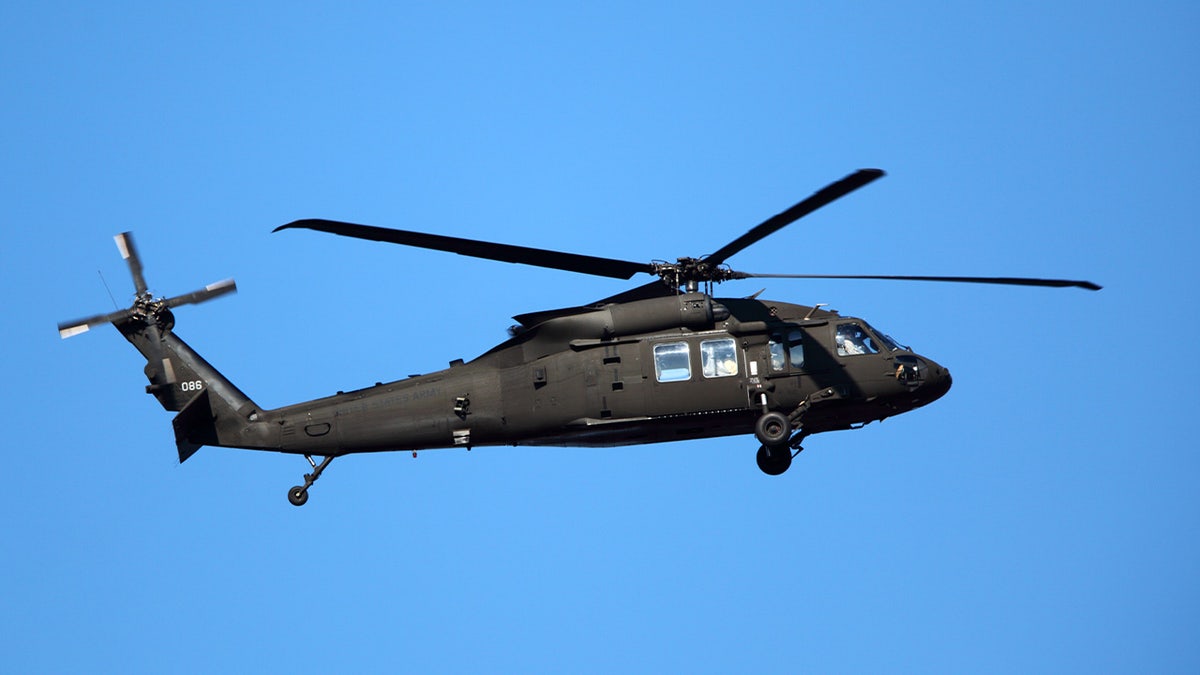 US Army UH-60 Blackhawk helicopter
foxnews.com
US Army UH-60 Blackhawk helicopter
foxnews.com
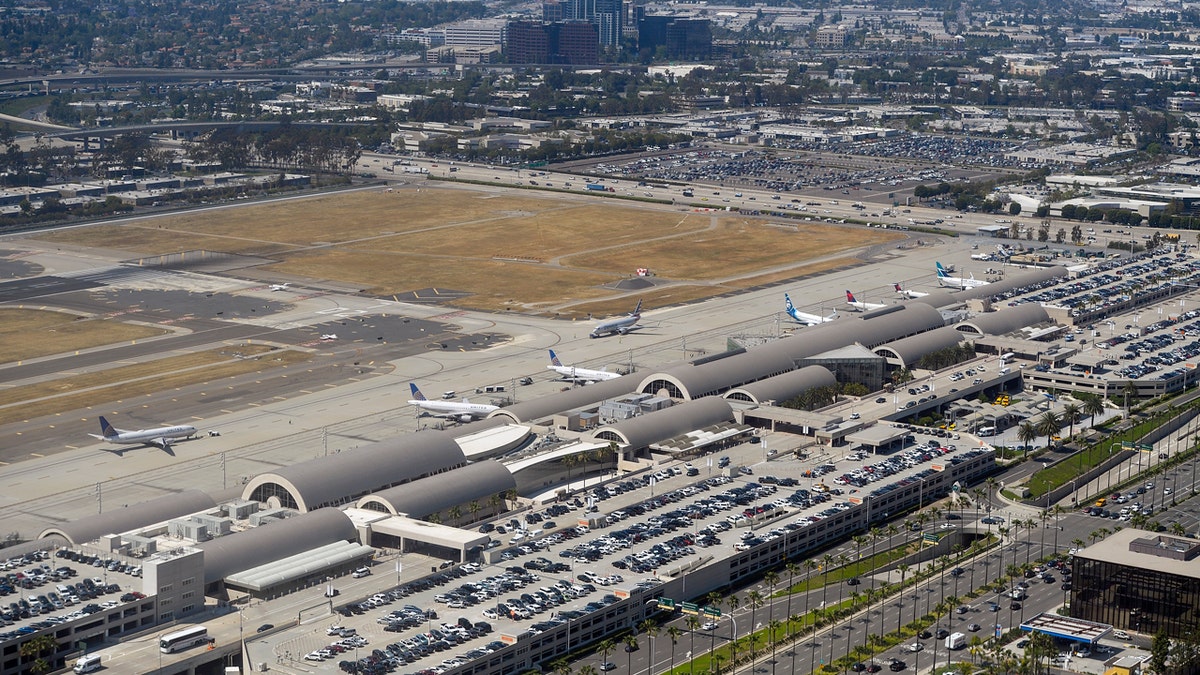 John Wayne airport aerial view
foxnews.com
John Wayne airport aerial view
foxnews.com
United Airlines Flight 589, a Boeing 737-800 carrying 162 passengers, received an in-cockpit collision-avoidance alert on final approach to John Wayne Airport in Santa Ana on Tuesday night after a U.S. Army Black Hawk helicopter crossed its flight path. The pilots “leveled” the aircraft—halting descent to increase vertical separation—before landing safely, Fox News reports. The Federal Aviation Administration said it is investigating the near miss, including whether controllers relied on visual separation.
The mechanics of the incident are familiar in modern U.S. airspace: commercial traffic is concentrated into narrow approach corridors, while military and law-enforcement helicopters operate with different performance envelopes and mission priorities. When those streams intersect, the last line of defense is often a cockpit “resolution advisory” from TCAS, a system designed to prevent a midair collision when human separation fails.
Air traffic control audio cited by Fox News suggests the United crew reported an “RA,” and a controller responded: “We’re gonna be addressing that because that was not good.” That exchange matters because it identifies the moment where responsibility shifts from procedural compliance to outcome risk. A jet on approach has limited maneuvering margin; a helicopter can change speed and altitude quickly but is harder to track and predict, especially if it is operating visually rather than under explicit radar separation.
The FAA’s own framing hints at a policy pivot already underway. Fox News notes the agency is examining whether a recently introduced measure—suspending “visual separation” between airplanes and helicopters—should have been applied. Under the updated guidance, controllers are expected to use radar and maintain specific lateral or vertical distances rather than relying on pilots to “see and avoid.” The change was announced in March after a deadly January 2025 collision near Washington National Airport between an Army Black Hawk and an American Airlines passenger jet.
That is the typical regulatory loop: a near miss triggers tighter procedural rules, which then increase controller workload and reduce operational flexibility at exactly the airports where traffic is already constrained. The costs show up as spacing buffers, delays, and a system that becomes less tolerant of small deviations. The benefits—fewer catastrophic failures—are real but hard to measure until the next incident.
The FAA said its investigation will examine how the Black Hawk was operating near the airport and what separation method was used. The United flight landed; the helicopter continued; and the only public trace of the closest approach is a computer alert and a short burst of radio traffic.