
Nexgrill recalls more than 10 million grill brushes over loose metal bristles
CPSC cites ingestion injuries and medical removals, low-probability product failures surface after years of use
Images
 Check out what's clicking on FoxBusiness.com.
foxbusiness.com
Check out what's clicking on FoxBusiness.com.
foxbusiness.com
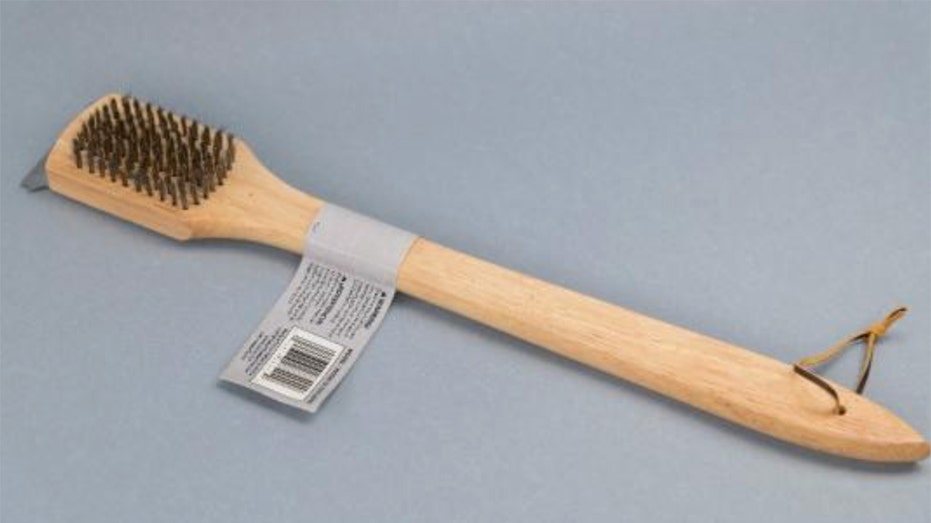 grill brush recall
foxbusiness.com
grill brush recall
foxbusiness.com
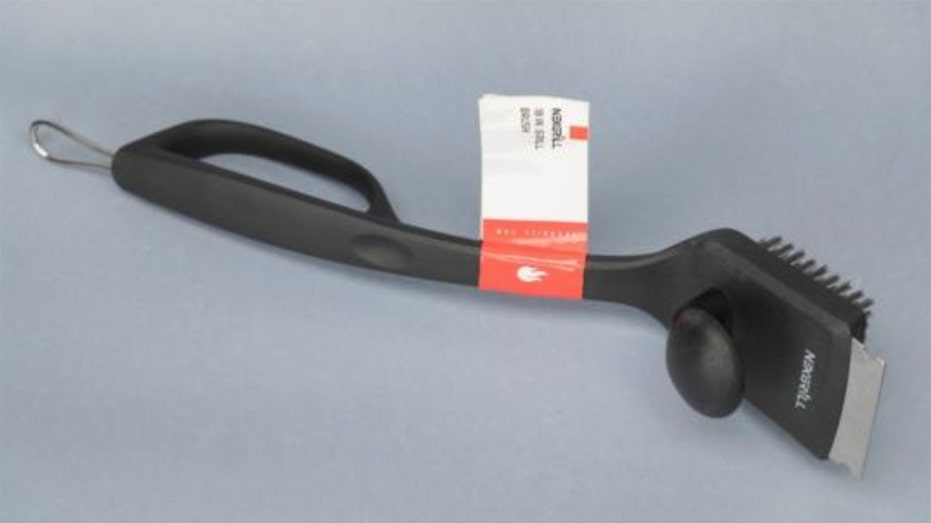 grill brush recall
foxbusiness.com
grill brush recall
foxbusiness.com
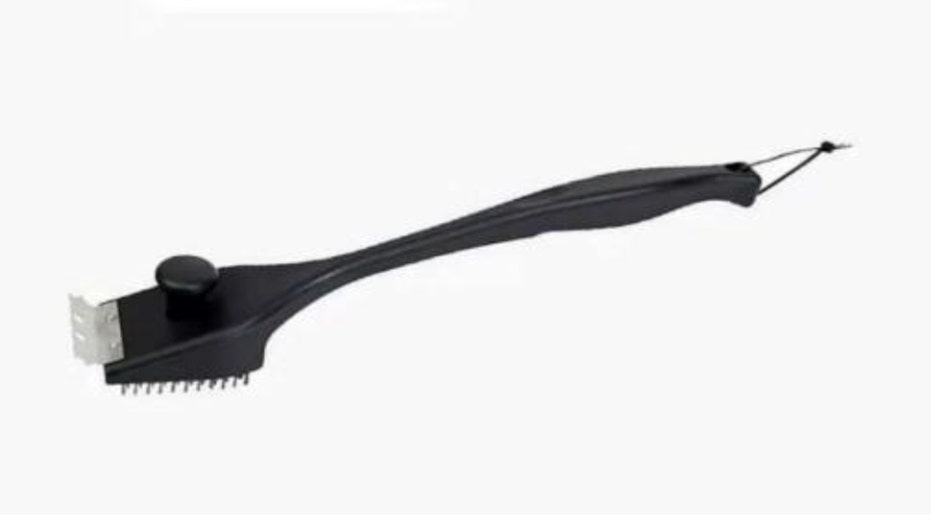 grill brush recall
foxbusiness.com
grill brush recall
foxbusiness.com
More than 10 million Nexgrill grill-cleaning brushes are being recalled in the US after reports that metal bristles can detach, end up in food, and cause internal injuries, according to the US Consumer Product Safety Commission notice reported by Fox Business. The brushes were sold at Home Depot and online from 2015 to 2026, typically for $5 to $15. The CPSC said Nexgrill has received at least 68 reports of bristles coming loose, including five cases where consumers required medical treatment to remove metal pieces from the throat or digestive tract.
The medical pathway is straightforward and ugly: a thin steel wire can lodge in the throat, migrate into the oesophagus, or pass into the stomach and intestines. Once embedded, it can cause local trauma, perforation and infection; removal may require endoscopy or surgery depending on where it is caught and how deeply it penetrates. What makes the hazard persistent is that the injury can begin as an unremarkable meal—pain or a “stuck” sensation—while the object is small enough to evade casual inspection.
The engineering story is less about “sharp things are dangerous” than about how consumer products fail under repeated thermal and mechanical cycling. A wire-bristle brush is a bundle of thin metal filaments anchored into a head by staples, twisted wire, or crimped fasteners. Each cleaning session bends bristles back and forth against grill grates, and each barbecue exposes the head to heat, grease, smoke condensate and moisture. Over time, bristles can fatigue at the root where bending stress concentrates, while corrosion—especially where dissimilar metals meet or where coatings are damaged—reduces cross-section and accelerates fracture. If the retention method relies on a crimp or staple, manufacturing variation in wire hardness, crimp depth, or adhesive cure can leave some units with much lower pull-out strength than the average.
Quality control tends to sample for obvious defects: missing bristle bundles, loose heads, poor handle attachment. Low-probability, high-consequence failures are harder: a bristle that survives thousands of strokes before snapping is not “defective” in the factory sense, yet it can still become a foreign body in food. The economics push in the same direction. A $10 brush is designed for cost and throughput, not for lifecycle testing across years of use, different cleaning habits, and different grill geometries. The result is a long tail of failures that only becomes visible when complaints accumulate.
The recall covers multiple models, including long-handle brushes and brush-and-scraper variants, with model numbers listed on packaging; each product is labelled “Nexgrill,” Fox Business reports. The brushes were manufactured in China and imported by Nexgrill Industries of California. Consumers are advised to stop using the products immediately; Nexgrill is offering refunds in the form of gift cards.
A detached bristle is not a design flaw that announces itself. It is a fragment small enough to hide in a hamburger.
The CPSC says the brushes were sold for more than a decade.