
IOC limits women’s Olympic category to biological females
One-time SRY gene screening starts for Los Angeles 2028, eligibility disputes shift from federations to testing and appeals
Images
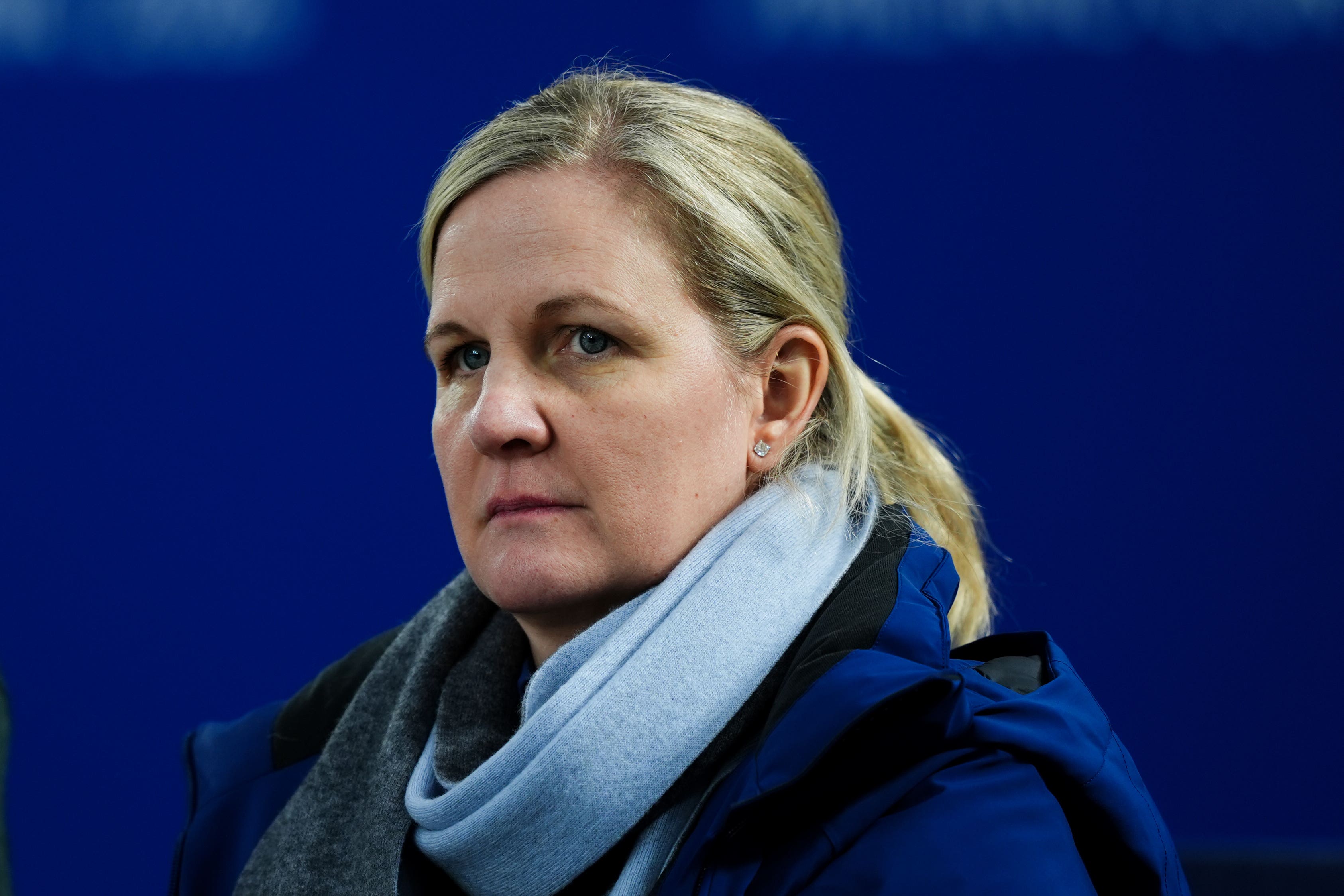 International Olympic Committee president Kirsty Coventry announced the new policy (PA)
independent.co.uk
International Olympic Committee president Kirsty Coventry announced the new policy (PA)
independent.co.uk
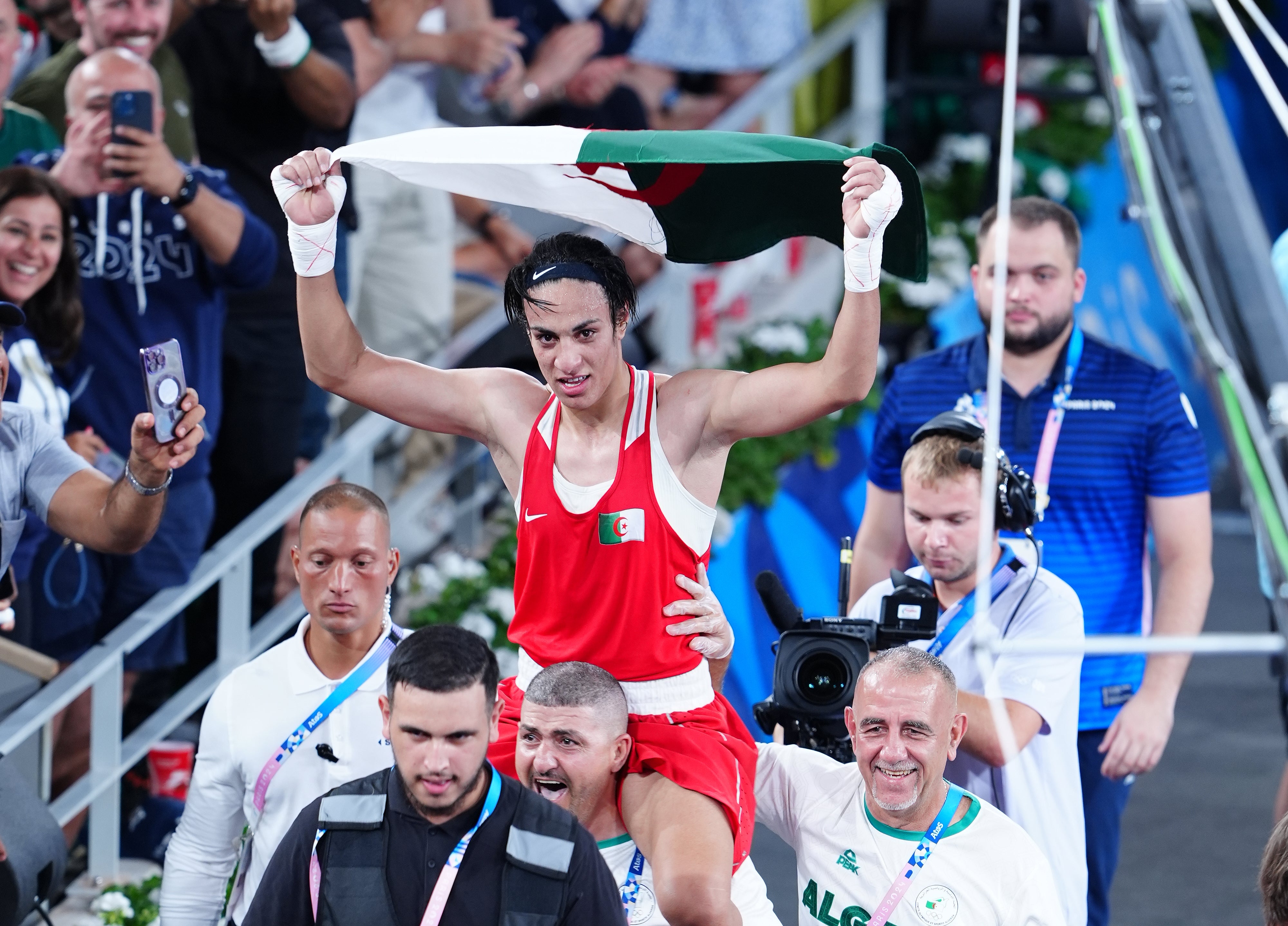 Imane Khelif was a controversial winner of Olympic boxing gold in Paris (PA)
independent.co.uk
Imane Khelif was a controversial winner of Olympic boxing gold in Paris (PA)
independent.co.uk
 standard.co.uk
The International Olympic Committee has ruled that women’s events at the Los Angeles 2028 Games will be restricted to biological females, using a one-time genetic screening for the SRY gene as the eligibility gate.
According to The Independent, the IOC said the policy is intended to “ensure fairness and protect safety”, particularly in contact sports. Athletes who test positive for the sex-determining SRY gene, which sits on the Y chromosome, will be ineligible for the women’s category at IOC events. The policy also excludes most athletes with differences in sex development (DSD) who have undergone male puberty, while carving out narrow exceptions such as complete androgen insensitivity syndrome (CAIS) and other rare DSDs that do not confer the performance effects associated with testosterone.
The decision formalises a uniform standard after years in which the IOC largely delegated eligibility rules to individual sport federations. That delegation created predictable outcomes: federations with high litigation risk and high-contact disciplines tightened rules, while others left grey zones that turned into front-page disputes. Paris 2024 provided the stress test. The Independent notes that boxing gold medallists Imane Khelif and Lin Yu-ting—both not transgender—became flashpoints after allegations they had failed earlier eligibility tests under the now-discredited International Boxing Association (IBA), which the Olympic movement had expelled over governance concerns.
The new approach is also a simplification tool. A gene screen is administratively cleaner than hormone thresholds, multi-year monitoring, or case-by-case panels that invite appeals. But it does not eliminate cost; it concentrates it. Testing, counselling, data handling, and dispute resolution will move upstream into Olympic qualification systems, national federations, and athlete support structures. Where the IOC sets a global rule, domestic bodies tend to inherit the compliance burden—especially when sponsorship contracts and broadcast rights contain “integrity” clauses that become enforceable only after controversy erupts.
The IOC’s timing also reduces a looming political collision. President Donald Trump has said the US would not allow transgender athletes to compete at the 2028 Games, and visa policy is one of the few levers a host country can pull unilaterally. By setting its own standard now, the IOC avoids having eligibility decided at the border.
The IOC says athletes will only need to be screened once in their lifetime. From 2028 onward, the first decisive contest may be the one that happens in a clinic, long before anyone reaches an Olympic start line.