
Bond yields jump as Iran war shifts fear from oil to rates
UK gilts and eurozone curves bear-flatten on hawkish repricing, even gold sells off when dollar liquidity tightens
Images
 A month into the Iran war, bond yields surge and inflation fears mount
euronews.com
A month into the Iran war, bond yields surge and inflation fears mount
euronews.com
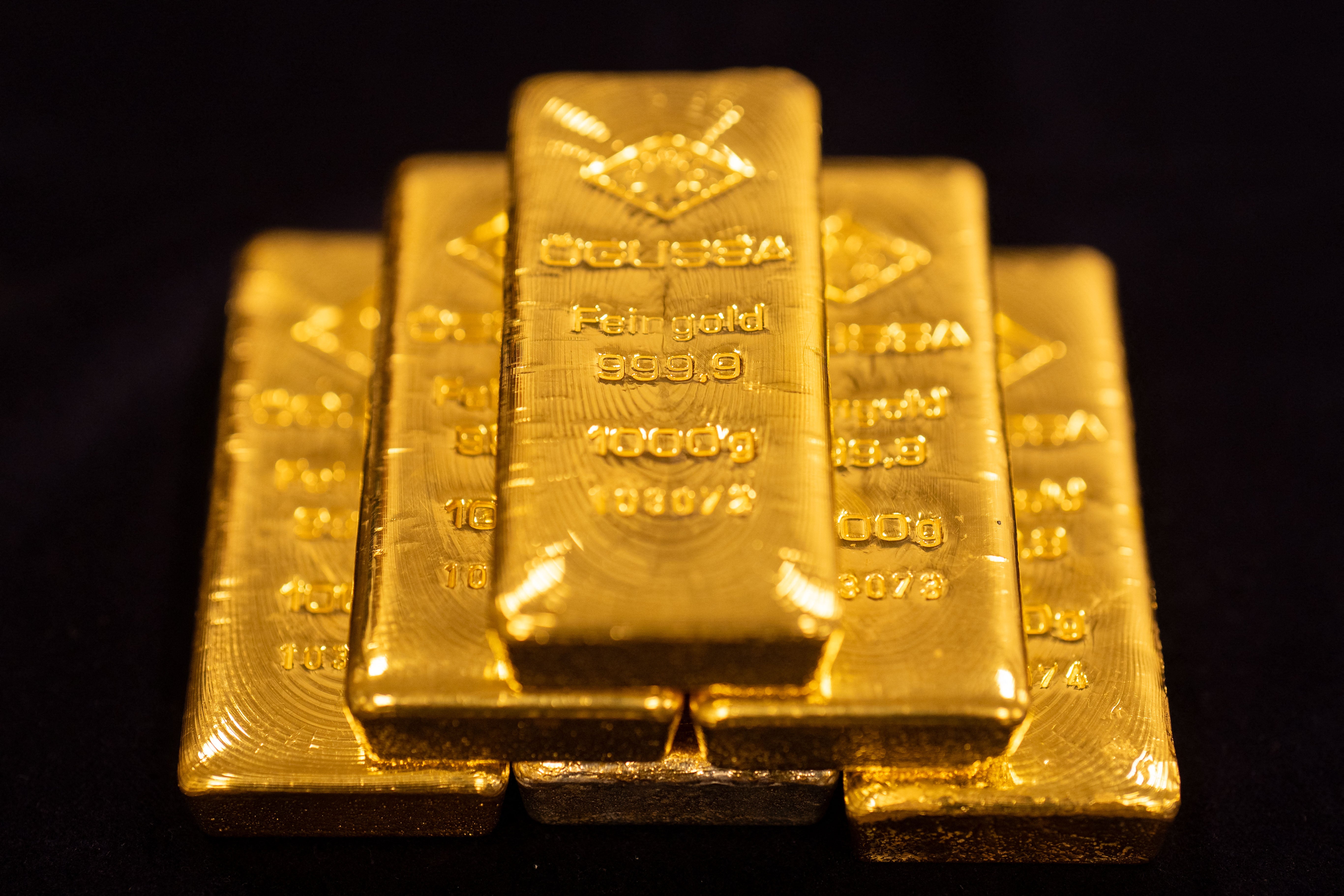 Gold isn’t always a safety net. Market chaos can drag its price down (APA/AFP via Getty)
APA/AFP via Getty
Gold isn’t always a safety net. Market chaos can drag its price down (APA/AFP via Getty)
APA/AFP via Getty
Government bond markets across Europe and the United States have repriced sharply as the Iran war enters its fourth week, with short-dated yields rising fastest. According to Euronews, the UK’s 10-year gilt yield has moved from about 4.2% before the conflict to above 5%, while the 2-year has jumped from roughly 3.5% to around 4.6% at its peak, a move investors typically associate with expectations of tighter central bank policy.
The mechanics matter. Higher oil and gas prices are feeding into inflation expectations, but the bond market is not pricing a simple “oil shortage” story so much as a financing problem: higher inflation raises the probability of rate hikes, and higher rates raise the cost of carrying government debt and rolling over short maturities. Euronews describes a “bear flattening” of yield curves—front-end yields rising more than the long end—because the 2-year is effectively a referendum on what central banks will do next. When the front end moves first, banks, mortgage lenders and corporate borrowers feel it quickly through funding costs and credit spreads, even if the underlying shock began in energy.
Europe is taking the hit more visibly than the US. Germany’s 10-year bund yield has moved toward 3% from around 2.65%, while the 2-year has climbed from roughly 2% to about 2.65%, nearing multi-year highs, Euronews reports. France and Italy show the same pattern: 2-year yields up sharply, 10-year yields higher but less so. The UK stands out because it has lived with higher inflation than peers, making investors more sensitive to the risk that inflation expectations become embedded—and forcing policymakers to prove they are still willing to tighten even as growth weakens.
That combination—energy-driven inflation on top of fragile growth—is why the market’s focus has shifted from barrels to basis points. Higher policy-rate expectations ripple into bank balance sheets through mark-to-market losses on bond holdings and tighter lending standards, while governments face higher debt-service bills just as households and firms are squeezed by fuel and transport costs. Even “safe” assets can trade like sources of liquidity: when margin requirements rise and cash is scarce, investors sell what they can, not only what they want.
That helps explain why gold has not behaved like a one-way refuge. The Independent notes that after surging to a record earlier this year, gold has fallen sharply even as geopolitical risk increased, a pattern consistent with forced selling and dollar funding demand during periods of stress.
In London, the same gilt curve that once anchored pension pricing is now hovering near levels last seen during earlier inflation scares. The war did not only raise the price of energy; it raised the price of money.