
Mexico probes Gulf of Mexico oil spill source
Satellite images and chemical fingerprinting decide what politics cannot, cleanup totals arrive before attribution does
Images
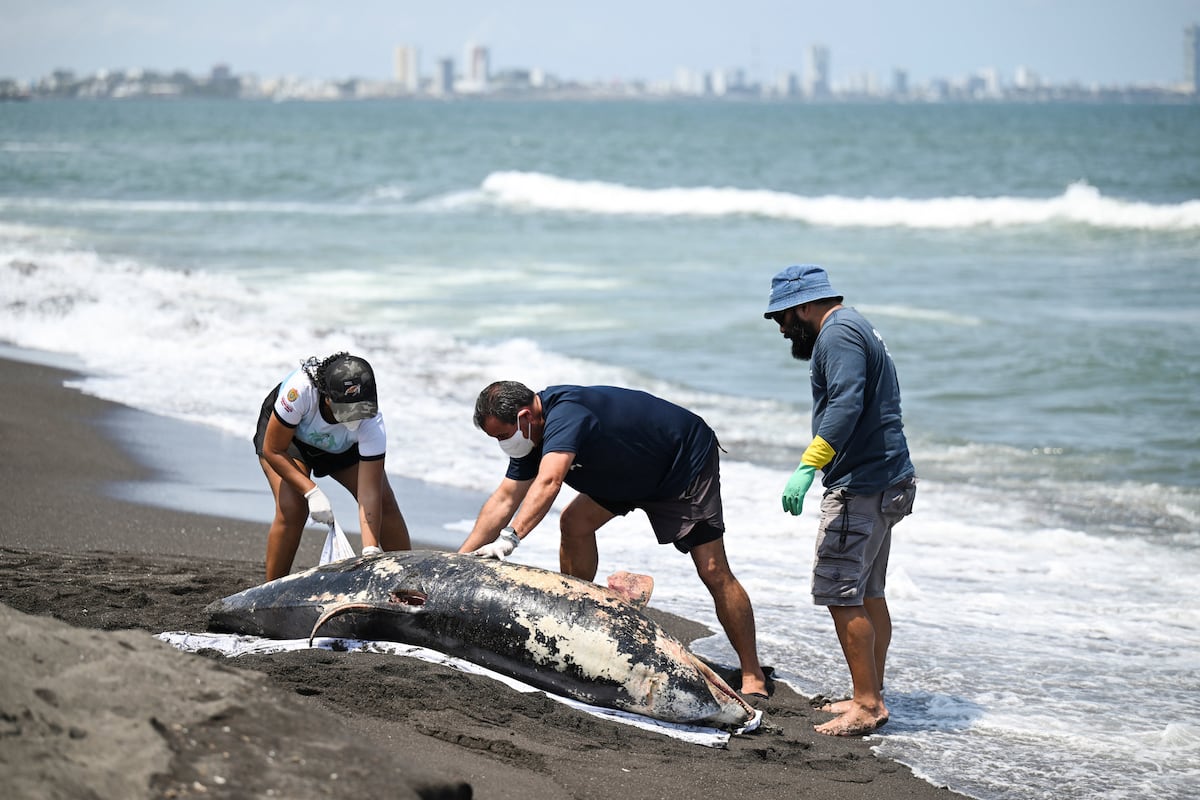 Lack of transparency about causes of oil spill in Gulf of Mexico fuels public concern
english.elpais.com
Lack of transparency about causes of oil spill in Gulf of Mexico fuels public concern
english.elpais.com
In early March tar balls began washing up on beaches in Mexico’s Veracruz and Tabasco states, staining mangroves and killing wildlife. Nearly a month later, Mexico’s government still has not publicly identified the source of the oil, nor confirmed whether the leak has stopped, according to El País. Pemex and federal authorities say they have collected 128 tons of oil-contaminated waste and inspected roughly 165 kilometres of coastline, while launching a “technical and scientific investigation” that includes satellite imagery, drone surveillance and Navy overflights.
The science of attributing an oil spill is straightforward in outline and unforgiving in practice: you need independent measurements, preserved samples, and a chain of custody that survives lawyers. Satellite imagery can show slick extent and drift patterns, but it rarely proves origin on its own; it is most useful for constraining timelines and narrowing search areas. Vessel tracking data (AIS) can help identify ships near the suspected release, but gaps are common—transponders can be switched off, spoofed, or absent on smaller craft—so the absence of a track is not exculpatory. The more decisive tool is chemical “fingerprinting”: laboratories compare the spilled oil’s biomarker profile (stable compounds such as hopanes and steranes) and broader hydrocarbon patterns against candidate sources, including crude from specific fields and products handled at terminals. When sampling is delayed, weathering complicates the match: evaporation, sunlight and microbial degradation change the lighter fractions first, making early collection and careful storage a practical prerequisite for confident attribution.
Even when the chemistry is strong, the hardest variable is access. In a spill near offshore infrastructure, investigators need operating logs, pressure data and maintenance records from platforms and pipelines, plus on-site inspections that can distinguish between a one-off discharge and a continuing leak. Those records tend to sit with the operator and the regulator—often overlapping institutions in state-dominated energy systems—so the public narrative can outrun the evidence or, just as easily, stall while “interdisciplinary groups” are formed.
El País reports that Veracruz’s governor initially pointed to an unidentified vessel and framed the concession history as a legacy of prior administrations, while President Claudia Sheinbaum later said the responsible company had not been identified and announced the Attorney General’s Office was involved. Pemex and other agencies have consistently said Pemex is not responsible.
For the communities watching oil arrive weeks apart along the coast, the relevant question is less rhetorical than logistical: which source will be named, and which entity will be ordered to pay for cleanup and compensation.