
Iran conditions Strait of Hormuz transit on political clearance
Shipping firms seek permits as war-risk insurance surges, an open chokepoint starts behaving like a toll gate
Images
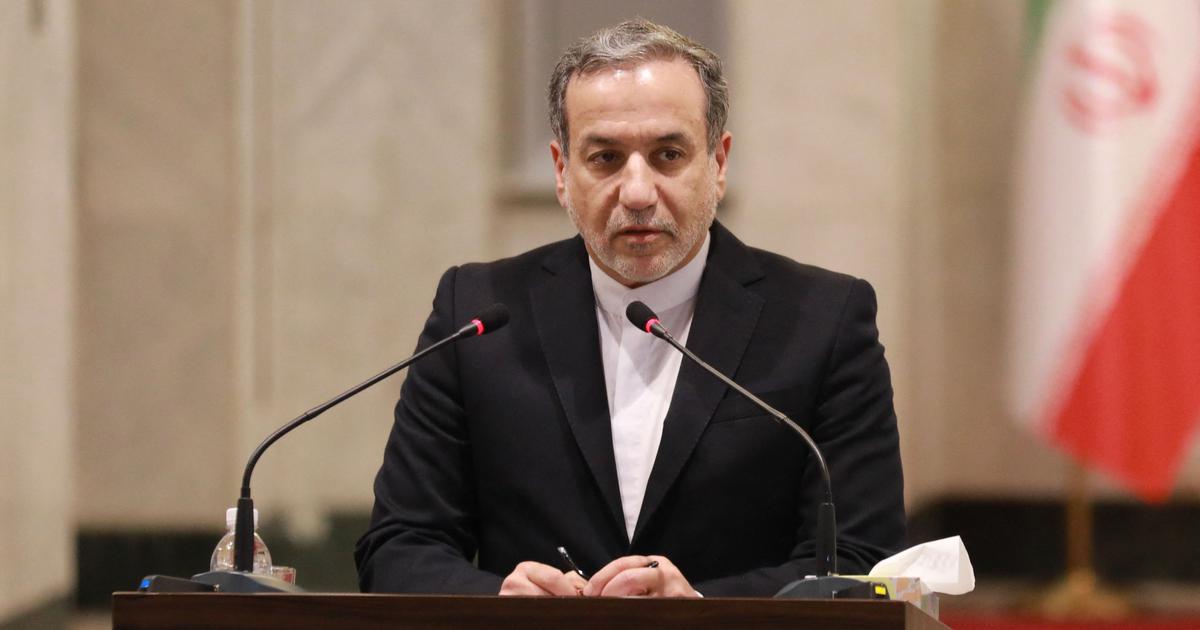 Iranian Foreign Minister Abbas Araghchi
|
Murtaja Lateef/AFP
scroll.in
Iranian Foreign Minister Abbas Araghchi
|
Murtaja Lateef/AFP
scroll.in
Several shipping firms are now seeking explicit Iranian “clearance” to transit the Strait of Hormuz as war-risk premiums and routing uncertainty rise, according to Euronews. Iran’s foreign minister Abbas Araghchi has publicly described a policy of allowing “friendly countries” — including India, as well as China, Russia, Iraq and Pakistan — to pass while restricting vessels linked to Iran’s adversaries, Scroll.in reports.
That approach amounts to something more durable than a headline-grabbing total closure. A full shutdown would quickly force a large international response and would also choke Iran’s own remaining export channels. A selective regime, by contrast, turns Hormuz into a permissioned service: passage becomes conditional, and the price is set politically rather than by port fees alone. The first-order effect is higher freight and insurance costs; the second-order effect is that the insurance market starts acting like an embargo administrator. When underwriters cannot price the risk — or fear a single incident could trigger blanket exclusions — “open” becomes functionally closed for many cargoes.
The winners and losers are not distributed evenly. “Friendly” states gain a relative advantage: their refiners and traders can keep physical flows moving while competitors face delays, detours or punitive premiums. For Iran, discretionary passage offers leverage that can be traded for cash, sanctions workarounds, or diplomatic concessions without the irreversible escalation of mining the strait or declaring a formal blockade. For Gulf producers and global consumers, the damage comes from uncertainty: oil can still move, but the marginal barrel becomes expensive because every voyage carries a political risk surcharge.
The pressure also accelerates substitution. Buyers and shippers look harder at non-Hormuz options — Red Sea and Mediterranean ports, Saudi and Emirati pipeline capacity, storage drawdowns, and rerouted product flows — not because they are cheaper, but because they are insurable. The longer “clearance” becomes the norm, the more commercial habits adapt around it, and the more the strait’s role shifts from geography to gatekeeping.
Araghchi’s list of permitted countries included India, a major energy importer that has already seen some cargoes transit Hormuz during the conflict. The policy’s practical test will be whether insurers treat Iranian permission as a genuine risk reduction — or as another variable that can be revoked mid-voyage.