
Pet owners debate whether adopted puppy is really a golden retriever
Shelter breed labels often rely on visual guesswork, intimacy marketing extends from paperwork to sharing the bed
Images
 newsweek.com
 China’s Iran Dilemma: the Mullahs or the Gulf?
newsweek.com
China’s Iran Dilemma: the Mullahs or the Gulf?
newsweek.com
 Victorious Florida Democrats Face a Major Headache
newsweek.com
Victorious Florida Democrats Face a Major Headache
newsweek.com
 How Iran’s Effective Fightback Has Forced Trump to Consider an Invasion
newsweek.com
How Iran’s Effective Fightback Has Forced Trump to Consider an Invasion
newsweek.com
 Marjorie Taylor Greene Warns of Republican Midterm ‘Slaughter’
newsweek.com
Marjorie Taylor Greene Warns of Republican Midterm ‘Slaughter’
newsweek.com
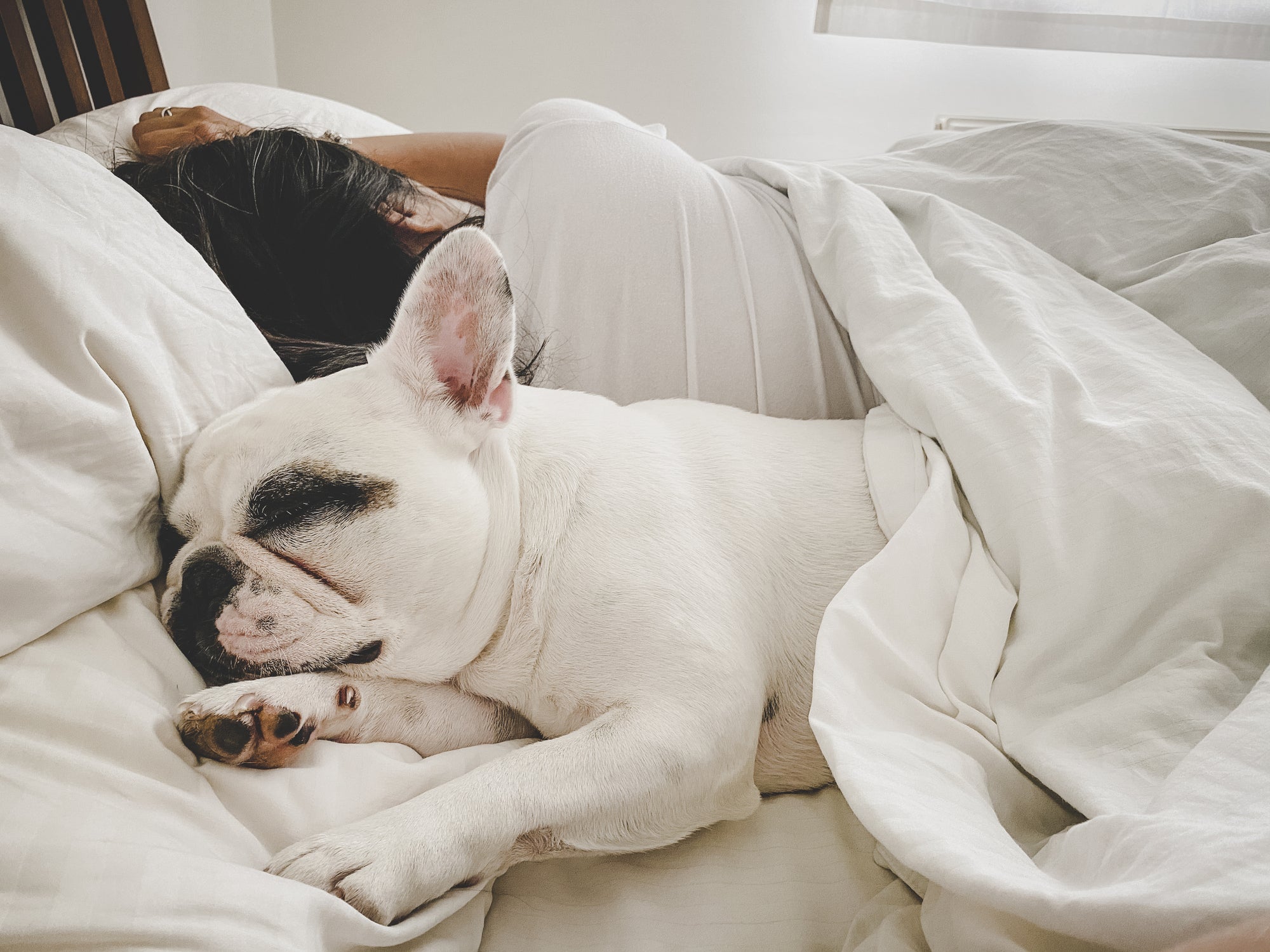 Waking up with a pet next to them can bring a sense of happiness, which may lead people to feel they slept well (Getty Images)
Getty Images
Waking up with a pet next to them can bring a sense of happiness, which may lead people to feel they slept well (Getty Images)
Getty Images
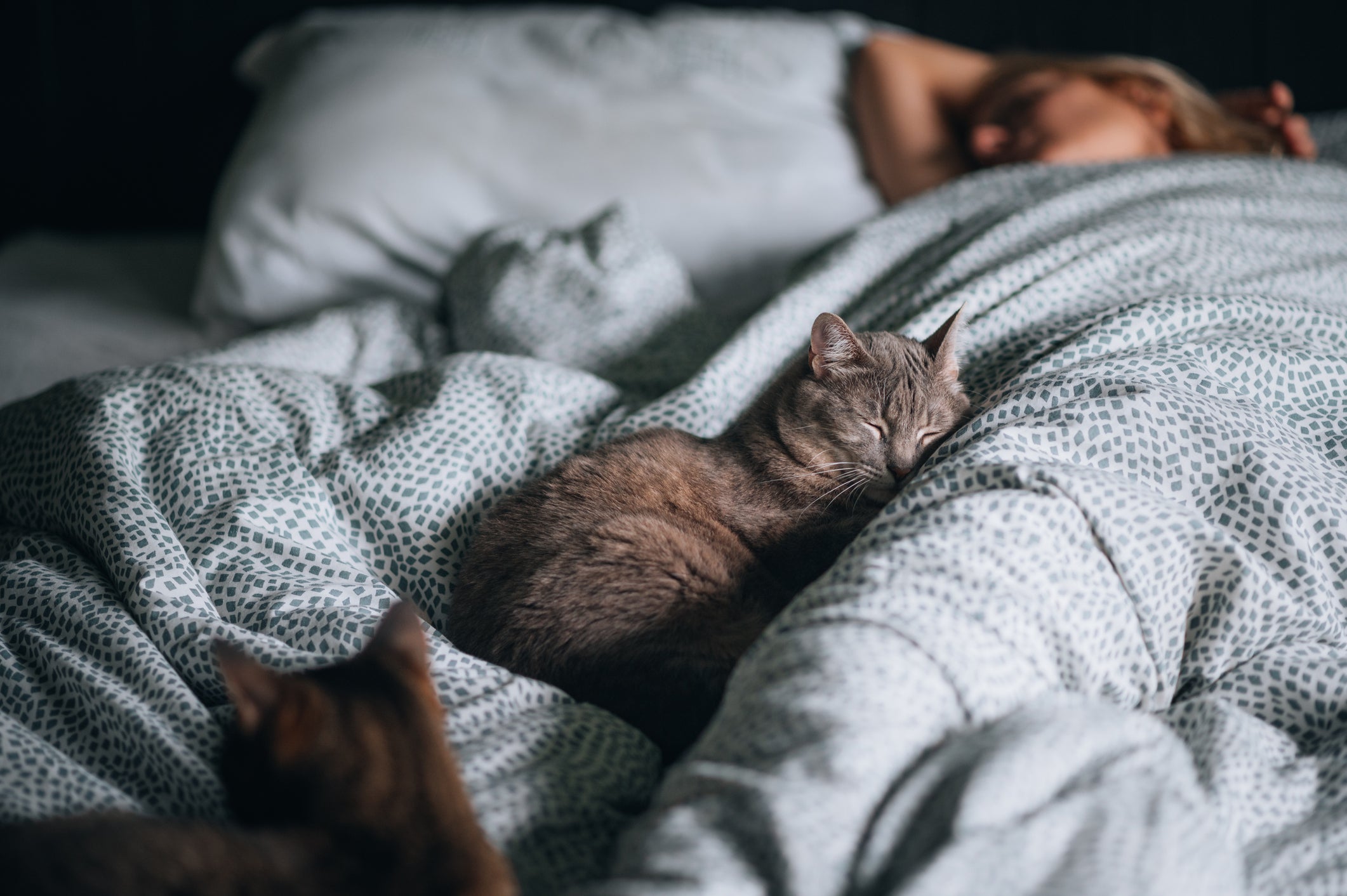 The findings challenge the idea that co-sleeping is simply either good or bad (Getty Images)
Getty Images
The findings challenge the idea that co-sleeping is simply either good or bad (Getty Images)
Getty Images
A Reddit post about a puppy’s “small ears” drew the predictable question: is this really a golden retriever? The owner said they had been told the dog was a three‑month‑old golden, then began doubting the label after looking closely at the animal’s head and ear shape.
Newsweek reports the thread quickly turned into amateur forensics. Commenters suggested mixes—border collie was a popular guess—while others simply declared the dog “not a purebred”. The Animal Humane Society’s more sober point is that breed identification in puppies is often guesswork: shelters and clinics infer from weight, paw size, coat texture and head shape, and those traits can shift dramatically as the dog grows.
That uncertainty has become a market problem because “breed” is no longer just a description; it is a consumer product and a social signal. A purebred label can raise a dog’s perceived value, shape expectations about temperament, and even influence what people think they are buying into—activity level, trainability, health risks, and lifespan. But the label is often assigned at intake by visual inspection, not by DNA testing, and the downstream buyer is left to reconcile paperwork with a living animal that keeps changing.
At the same time, the pet relationship keeps moving deeper into the household. In The Independent, clinical researcher Renata Roma notes that nearly half of respondents in an American Academy of Sleep Medicine survey said they share their bed with a pet. The appeal is straightforward: companionship, comfort and a sense of safety at a moment of vulnerability.
The costs are less romantic and easier to ignore. Roma summarises research showing that even when owners report better sleep with a pet nearby, objective measures such as actigraphy often show more fragmented sleep. Movement synchronises: the animal shifts, the person stirs, and the night becomes a series of small interruptions. Dogs tend to disrupt sleep more than cats, and multiple pets can compound the effect.
Put together, the two stories describe the same dynamic from different angles. People buy a dog partly for the story—breed, identity, the idea of a certain kind of companion—and then reorganise daily life around the relationship, including the bed. When the facts are messy—mixed genetics, disrupted sleep, hygiene or allergy concerns—the emotional payoff is usually enough to keep the arrangement in place.
The puppy in the Reddit photo may or may not grow into the golden retriever its owner expected. Either way, the market has already done its job: it sold a label first, and the household adapted itself around the animal afterward.