
Cuba’s fuel and supply shortages hit paediatric cancer care
Havana hospital relies on staff motorcycles for blood and drugs, families pushed into black market for basics
Images
 A Cuban mother’s odyssey against leukemia: ‘Is there blood for my son in this hospital?’
english.elpais.com
A Cuban mother’s odyssey against leukemia: ‘Is there blood for my son in this hospital?’
english.elpais.com
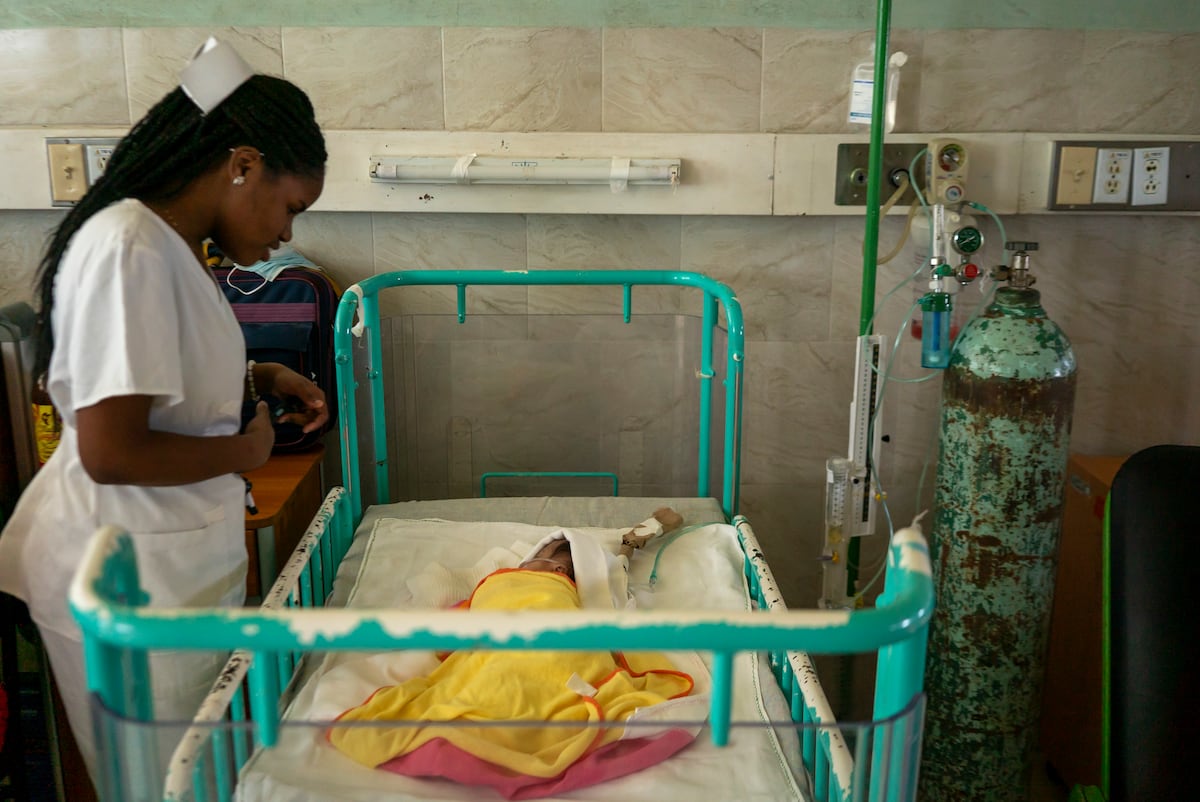
At Havana’s Juan Manuel Márquez Pediatric Hospital, an 18-year-old newly diagnosed with leukemia is being prepared for treatment with transfusions—while his mother’s first question is whether the hospital has blood and medicines at all. El País reports that the seven-storey facility, once built as a showpiece, now operates with broken elevators, closed wards awaiting renovation and equipment left idle because replacement parts cannot be sourced. Nurses use their own motorcycles to fetch blood donations or chemotherapy drugs from other facilities, and parents arrive carrying toiletries and food “just in case”.
The case sits inside a wider health-system squeeze that Cuba’s government frames as a blockade story. The island has faced shortages for years, but officials say conditions have worsened since January with the addition of a fuel embargo, tightening the logistics of everything from ambulance runs to refrigeration and transport for blood products. The Health Ministry’s first deputy minister, Tania Margarita Cruz Hernández, cited figures showing 96,000 people waiting for surgery, including 11,193 minors, according to El País. The hospital alone has 141 minors admitted.
Fuel scarcity turns medical capacity into a chain of brittle links: fewer deliveries, fewer functioning generators, fewer trips between hospitals, and longer downtime when something breaks. In the Márquez hospital, imported parts that failed years ago still have no replacements; the constraint is not a single missing drug but the inability to keep a complex system running when procurement, currency access and transport are all restricted.
Families bridge the gap through informal markets. The leukemia patient’s mother—who runs Cuba’s National Aquarium—recalls that when her son was previously admitted with Sjögren’s disease, basics such as cotton, alcohol and bandages were missing. The immunosuppressant Imuran, which would typically cost 11 pesos if available through the state system, has not been imported for years, El País reports. She bought it on the black market for 2,000 pesos, about half her salary.
Hospital staff describe the current moment as more demoralising than the Covid-19 period, when global shortages could be blamed on a worldwide emergency. Now, they say, the constraints feel targeted and permanent. The hospital’s director, Araiz Consuegra, told El País the staff are doing “everything in our power, and even things that are not,” to prevent child deaths, while acknowledging the situation is “very complex” for patients, families and workers.
In the ward, the immediate question remains the one the mother asked at admission: whether the blood and the drugs will be there when the next treatment cycle comes due.