
Venezuela rolls out 45-day power-saving plan
Blackouts hit western states for up to eight hours a day, investor outreach collides with a grid that cannot meet demand
Images
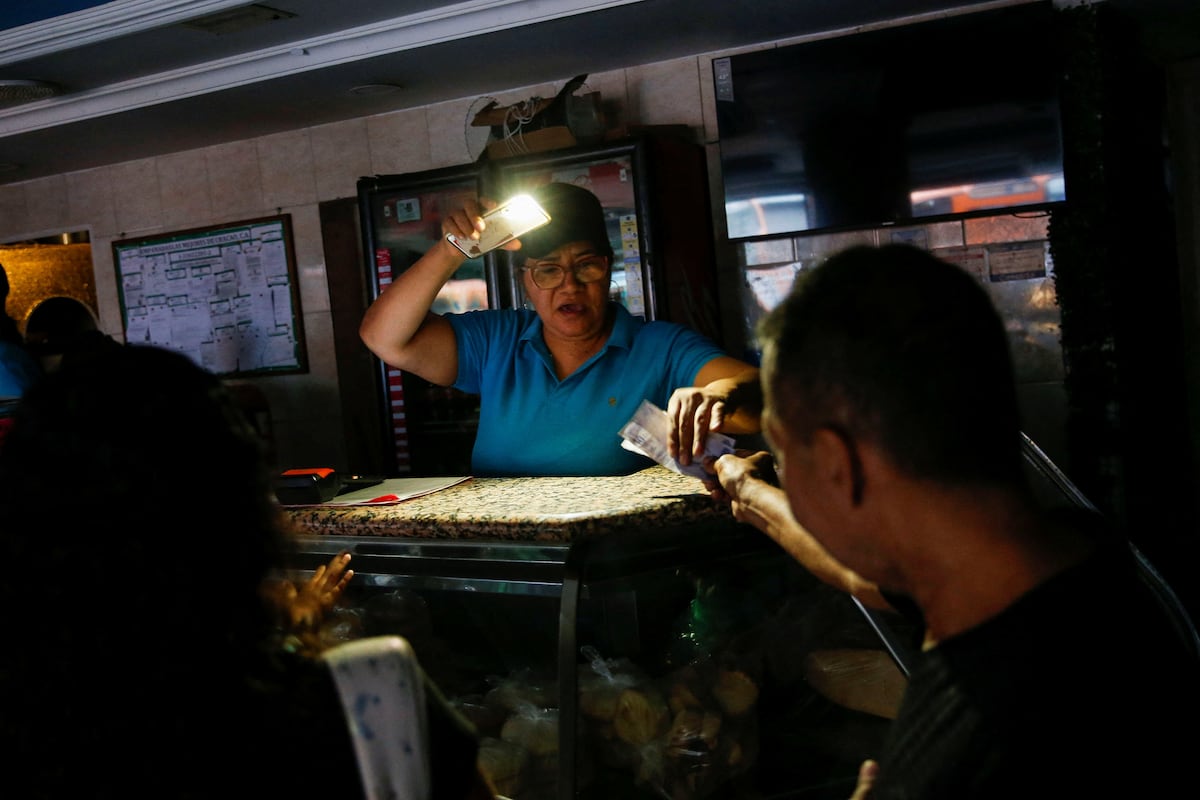 Venezuela activates an electricity saving plan to reverse blackouts
english.elpais.com
Venezuela activates an electricity saving plan to reverse blackouts
english.elpais.com
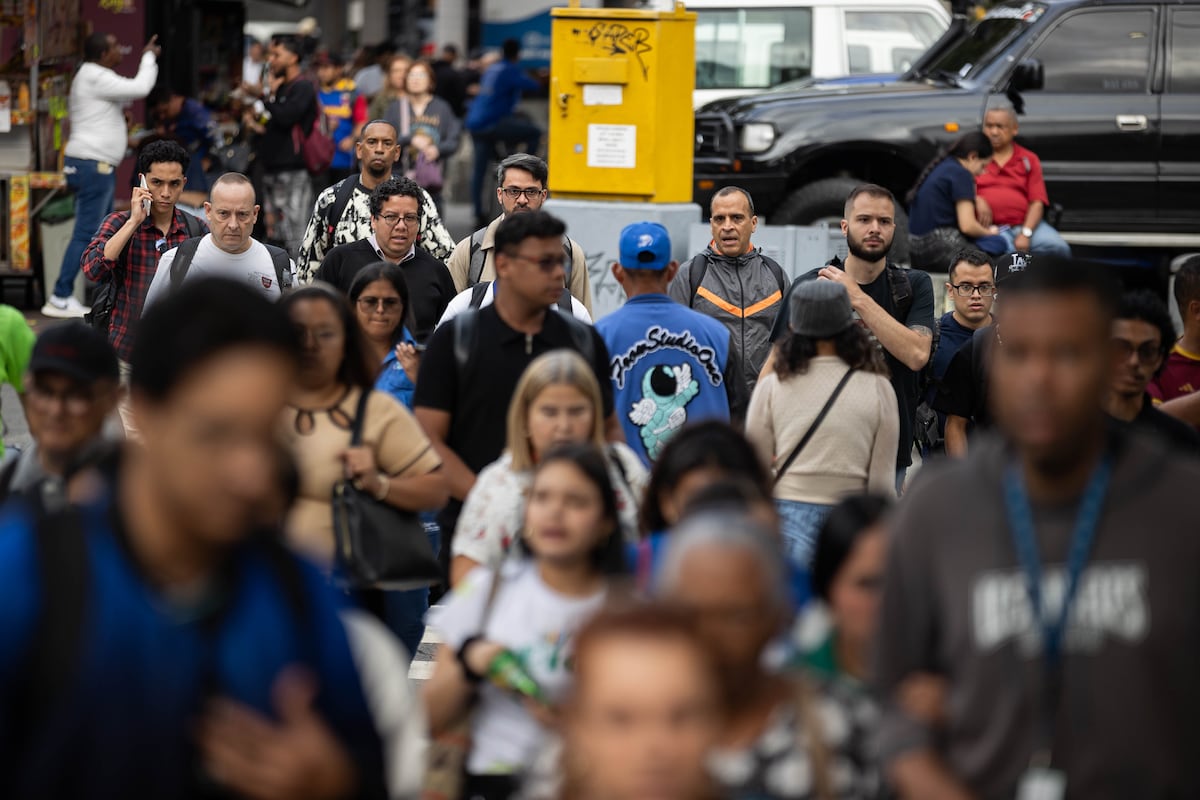 Venezuela forgets about Maduro and starts down an irreversible path
english.elpais.com
Venezuela forgets about Maduro and starts down an irreversible path
english.elpais.com
Venezuela has launched a 45-day “National Energy Saving Plan” as blackouts spread across the country, with residents in western states such as Zulia, Falcón and Táchira reporting outages of up to eight hours a day. Acting president Delcy Rodríguez has urged households to set air conditioners no lower than 21°C, unplug “non-essential” devices and avoid charging multiple electronics at once, according to El País. The government attributes the strain to seasonal factors, including the dry season and what it calls “solar declination”, but the power cuts began well before the announcement.
The immediate cost is not abstract. Power dips and surges are damaging appliances, while outages disrupt internet and telephone service and shut down commerce, El País reports. Unannounced rationing has become routine in parts of the country for years, making the new plan less a policy shift than an attempt to wrap existing failure in a civic campaign. When electricity is priced politically and supplied by a state monopoly, the quickest lever is not investment but rationing—pushing the burden onto households and firms that cannot repair grids, buy spare parts, or expand capacity.
Rodríguez has tried to signal a change of approach by appointing Rolando Alcalá, an electrical engineer from Simón Bolívar University, to run the sector, replacing military-heavy management of critical infrastructure. Even so, the official line is that the system is “recovering capacity” but still cannot meet demand or the needs of a reviving economy. That mismatch matters because the government is simultaneously marketing Venezuela as open for business after the political rupture that followed Nicolás Maduro’s capture and the partial restoration of relations with the United States.
In that pitch, electricity becomes the bottleneck that turns oil and gas reserves into stranded assets. Colombia’s foreign minister, Rosa Villavicencio, told El País that Venezuela has hydrocarbons but lacks the energy needed to develop them, arguing that Colombia—via Ecopetrol—could provide the technological and logistical capacity to generate power. Washington is also positioning itself: the US Treasury in February issued licenses allowing US companies to sell technology and services linked to electricity generation and distribution, El País reports.
The pattern is familiar in countries where the state insists on controlling both the asset and the cashflow. Foreign partners are invited to supply capital, equipment and expertise, but operational decisions remain political, tariffs remain administratively set, and maintenance competes with other priorities inside the budget. Investors can be asked to take commercial risk without gaining real control over the conditions that determine whether a grid is stable.
For now, the government’s most concrete request is for Venezuelans to change daily habits. In the blackout-prone states, the power still goes out anyway.