
UK funds restart of Ensus CO2 plant on Teesside
Iran war and energy costs threaten industrial gas supply, three-month grant turns input risk into a public liability
Images
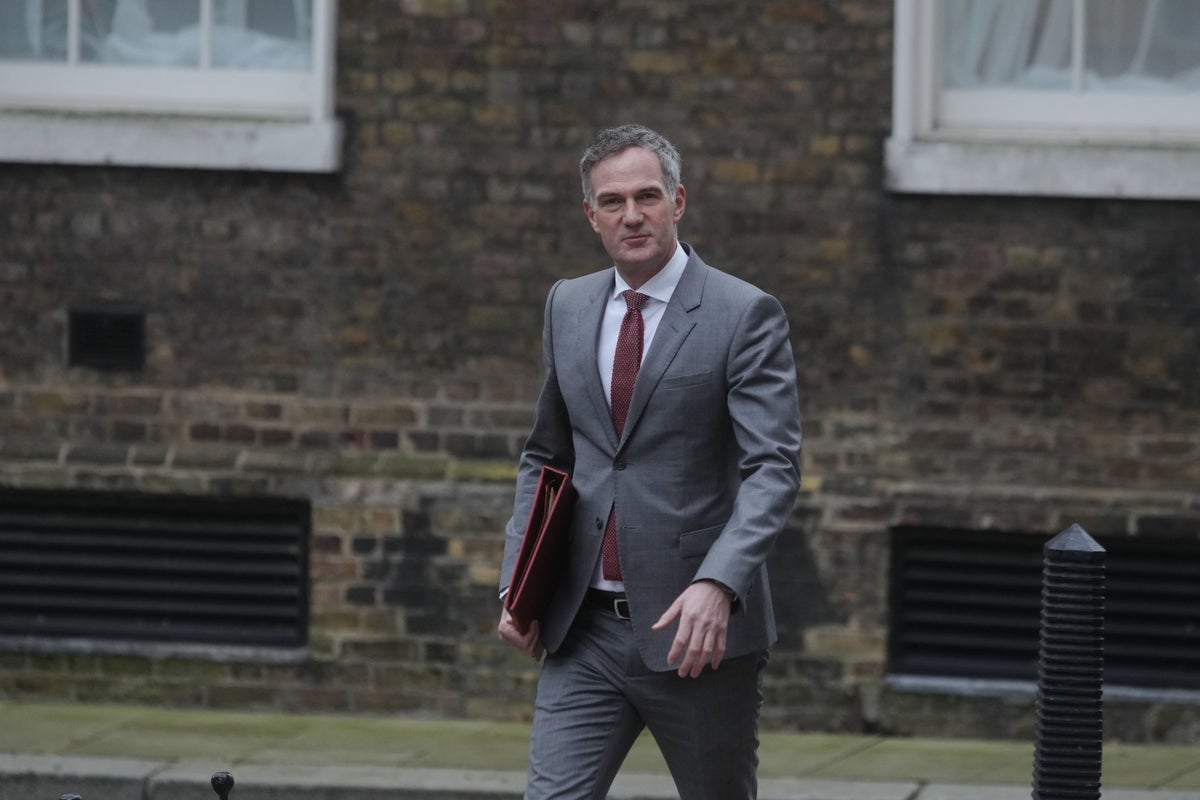 Government grant to reopen CO2 plant amid fears of Iran-linked shortages
independent.co.uk
Government grant to reopen CO2 plant amid fears of Iran-linked shortages
independent.co.uk
The UK government is preparing to spend up to £100 million to restart a mothballed carbon dioxide plant on Teesside, after officials warned of possible shortages linked to the Iran war and wider energy-market disruption. According to The Independent, Business Secretary Peter Kyle signed off a grant to reopen the Ensus facility for an initial three-month period, using public money to bring an industrial site back online primarily for its CO2 by-product.
CO2 is not just a climate-policy abstraction; it is a physical input. It is used in food and drink production, and it is also required in parts of the nuclear industry. Britain’s supply is vulnerable because much of its industrial CO2 comes as a by-product from fertiliser and bioethanol plants, which can shut when gas prices rise, margins collapse, or trade policy changes. Ensus itself was mothballed last year after a US trade deal cut tariffs on bioethanol, undermining its main revenue stream.
The immediate problem, as the Independent reports, is that disruption in energy and shipping markets is raising costs across the chain. When the profitable “main product” disappears, the by-products that other sectors quietly rely on also disappear. That is how a geopolitical shock turns into a shortage of something as mundane as the gas that pressurises beverage systems.
The policy response is revealing. Rather than pay market prices for CO2 under long-term private contracts, build inventories, or encourage redundant capacity, the state is stepping in as a temporary buyer of last resort. The grant is explicitly time-limited—three months—yet it creates a precedent: industries can treat critical inputs as an implicit public backstop, and mothballed capacity becomes a political lever instead of a commercial decision.
Ministers are simultaneously trying to reassure the public. Energy minister Michael Shanks told MPs the government was “absolutely not” planning for blackouts or petrol rationing, insisting on “a strong and diverse range of supplies,” even as officials intervene to prevent a CO2 shortfall. Former BP executive Nick Butler told Times Radio the UK could face oil and gas shortages within weeks, and Shell CEO Wael Sawan has also warned about supply risks.
Foreign Secretary Yvette Cooper is due to press Iran to reopen the Strait of Hormuz at a G7 foreign ministers’ meeting in France, while the strait’s status remains contested in public statements.
The Ensus plant was closed after a trade deal made its main product uneconomic. It is reopening because the government now needs the by-product.