
Western intelligence says Russia ships drones to Iran
Moscow and Tehran test a sanctions-era logistics pipeline, lethal aid travels under cover of food and medicine
Images
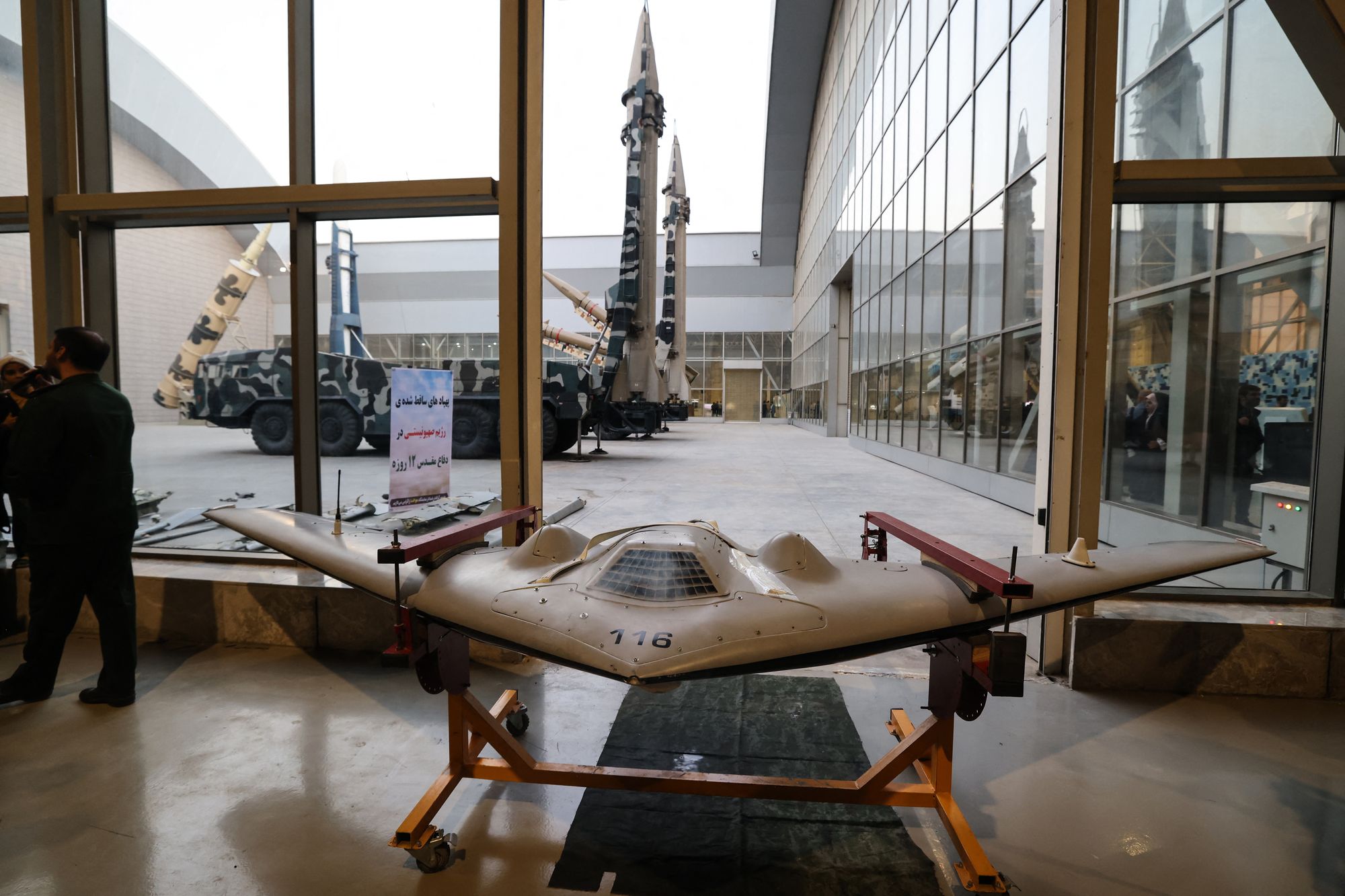 Iranian Shahed drones are a key part of Russia’s artillery (AFP/Getty)
AFP/Getty
Iranian Shahed drones are a key part of Russia’s artillery (AFP/Getty)
AFP/Getty
 Dmitry Peskov said Russia was continuing dialogue with Iranian leadership (AFP via Getty Images)
AFP via Getty Images
Dmitry Peskov said Russia was continuing dialogue with Iranian leadership (AFP via Getty Images)
AFP via Getty Images
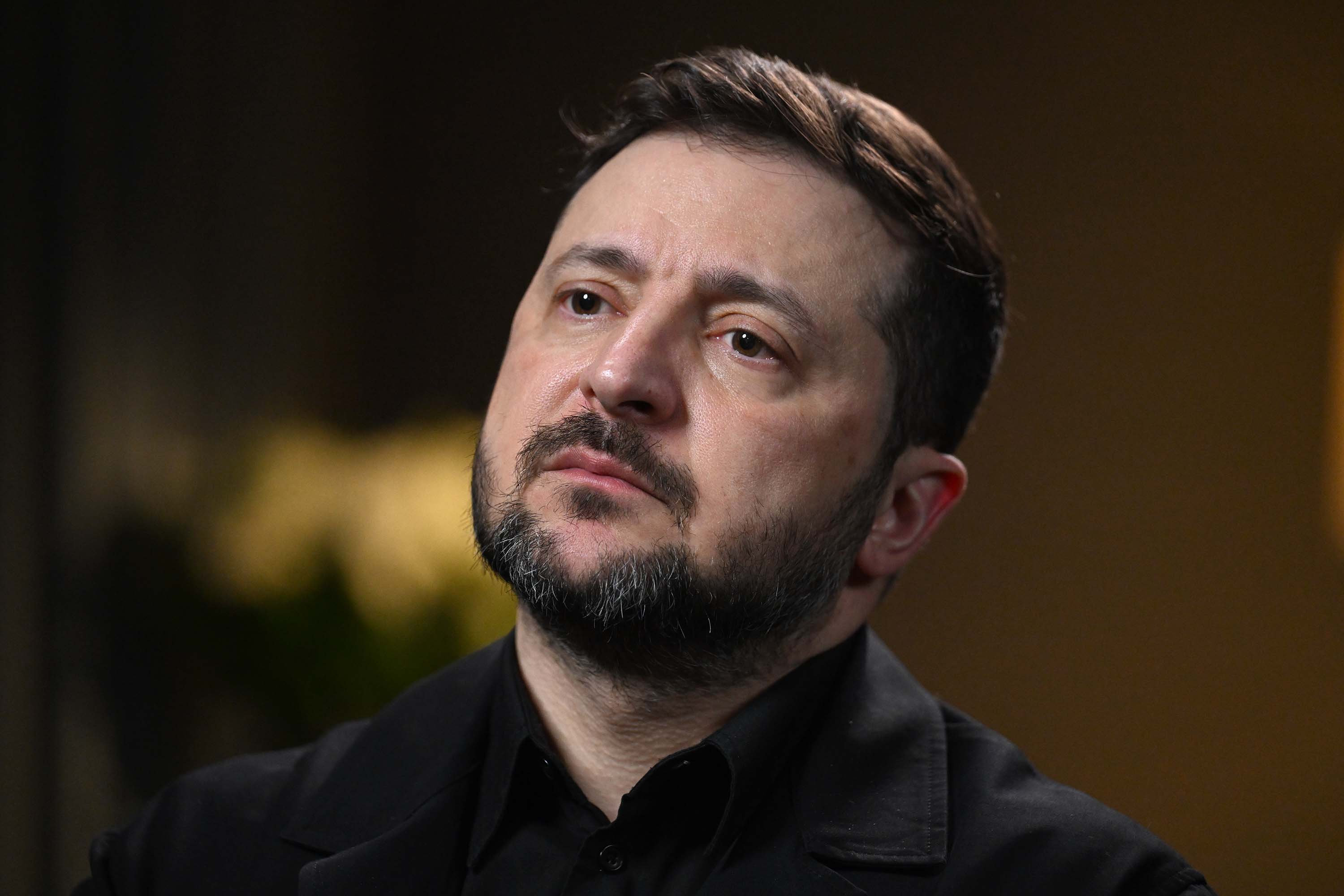 Zelensky said Ukraine had offered its drone expertise to Gulf states (BBC)
BBC
Zelensky said Ukraine had offered its drone expertise to Gulf states (BBC)
BBC
Western intelligence says Russia has begun a phased shipment of drones, along with food and medicine, to Iran, with deliveries starting in early March and expected to finish by the end of the month. The Independent reports the discussions began days after the first US and Israeli strikes on Tehran last month, according to officials briefed on the intelligence cited by the Financial Times. If confirmed, it would be Moscow’s first known transfer of lethal hardware to Iran since the current Iran war began.
The alleged shipment would invert a well-established flow. Iran has been a key supplier of Shahed drones to Russia for use against Ukraine, where Moscow has fired large nightly salvos that have forced Kyiv to build a layered air-defence and electronic-warfare practice around cheap, expendable systems. President Volodymyr Zelensky has repeatedly accused Russia of providing intelligence support to Iran; he said this week he had “irrefutable” evidence that Russia continues to share such intelligence, though he did not provide details. The same pattern—plausible deniability, partial disclosure, and carefully worded non-denials—now appears on the Iran side: Kremlin spokesman Dmitry Peskov told the FT that “a lot of fakes” are circulating while confirming that dialogue with Iranian leadership continues.
What makes the story consequential for Europe is less the number of drones than the logistics it implies. Sanctions are meant to raise the cost of moving money, parts and equipment; over time they also create a premium for actors who can move goods anyway. Once a parallel pipeline exists—through intermediaries, shell owners, flag-hopping vessels, re-export hubs and barter deals—it can be reused for whatever is scarce next month. In that environment, “humanitarian” cargo can travel alongside dual-use components, and a shipment that looks small on paper can be valuable as a test of routes, paperwork and enforcement gaps.
The exchange terms are the real question. Iran can offer Russia drone components, ammunition production know-how, and access to procurement networks that have already learned how to shop around export controls. Russia can offer Iran systems and expertise that are harder to improvise under pressure: air-defence integration, electronic warfare, satellite and signals intelligence, and the kind of industrial-scale production discipline that turns prototypes into dependable volumes. Political cover also has a price. In multilateral forums, each side can trade votes, statements, and procedural help; in energy markets, each side can trade timing and signalling that nudges risk premiums.
For Europe, the second-order effect is that a tighter Russia–Iran supply relationship makes the region’s energy shock more durable. Even without a direct disruption to European infrastructure, war-risk insurance, longer shipping routes, and higher hedging costs show up quickly in gas and fuel pricing—costs that governments can only redistribute, not eliminate.
The intelligence claim is still unverified, and Moscow is denying the specifics. But it is being reported at the same moment Europe is paying a war premium on energy and shipping, and at the same moment Russia is looking for ways to keep its war economy supplied without using the channels sanctions were designed to close.