
US Postal Service adds fuel surcharge to packages
First-ever 8% fee starts April as diesel prices spike, fixed-rate public logistics meets commodity volatility
Images
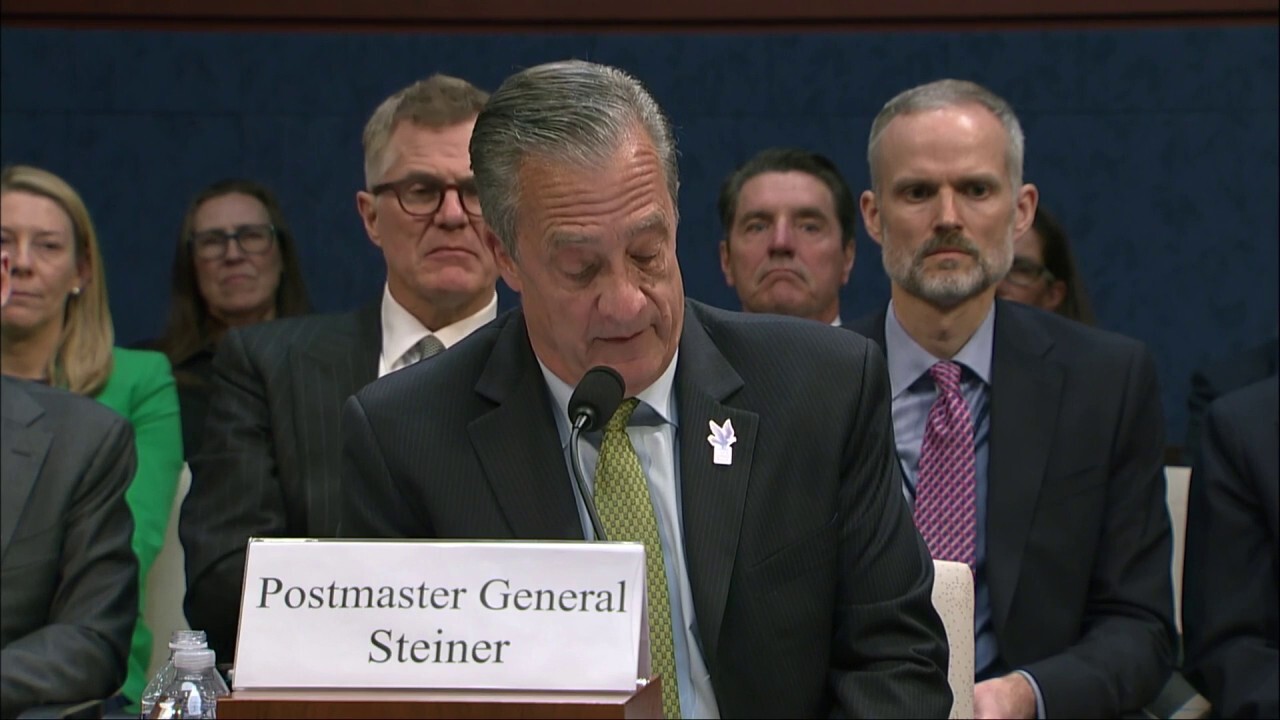 Postmaster General David Steiner testified before Congress on the current state of the U.S. Postal Service. (Pool)
foxbusiness.com
Postmaster General David Steiner testified before Congress on the current state of the U.S. Postal Service. (Pool)
foxbusiness.com
 USPS carrier
foxbusiness.com
USPS carrier
foxbusiness.com
 USPS delivery truck
foxbusiness.com
USPS delivery truck
foxbusiness.com
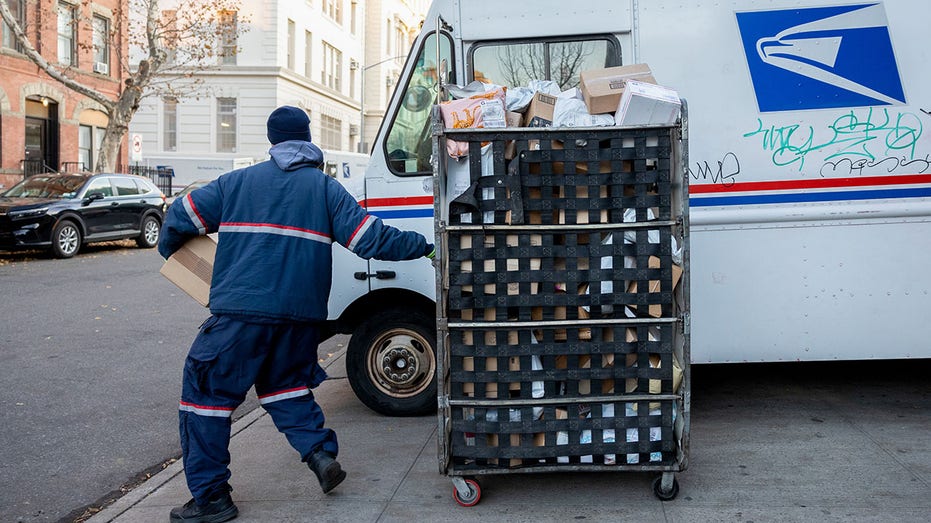 A United States Postal Service (USPS) worker delivering packages.
foxbusiness.com
A United States Postal Service (USPS) worker delivering packages.
foxbusiness.com
The U.S. Postal Service plans to add an 8% fuel surcharge to package deliveries starting in April, the Wall Street Journal reported, a first for the agency. Fox Business says the surcharge is intended to be temporary and to phase out in January 2027, as diesel prices have jumped sharply amid oil-market disruption linked to the Iran war.
Private carriers have treated fuel as a variable input for years. FedEx and UPS publish fuel surcharge tables, adjust them frequently, and push the volatility onto shippers with little ceremony. USPS, by contrast, has long operated like a national utility: rates move through political and regulatory calendars, service levels are treated as entitlements, and cost shocks are absorbed until they become a budget event. A fuel surcharge is what happens when a fixed-price institution collides with a floating-price commodity.
The design choice matters because USPS is not just a mail service; it is an embedded layer in U.S. e-commerce. “Free shipping” is often a pricing story built on cheap last-mile contracts and predictable postage. When the state carrier adds a surcharge, the cost does not stop at the post office counter. It flows into marketplace seller margins, return policies, and the economics of low-value items that only make sense when delivery is subsidised by scale and by a carrier willing to smooth costs.
The surcharge also exposes a broader pattern in public infrastructure: prices are often the last instrument used. According to Fox Business, Postmaster General David Steiner has warned Congress that USPS could run out of cash in under a year without reforms, and has floated options like ending six-day delivery, closing post offices, or raising stamp prices—moves he noted may be politically unpopular. In a private company, management can cut routes, renegotiate labour, and raise prices quickly; in a politically governed monopoly, each lever becomes a legislative fight.
USPS has already hit its $15 billion borrowing cap, Steiner told lawmakers, limiting its ability to finance shortfalls. That makes pass-through pricing more attractive: a surcharge is easier than a structural renegotiation of service obligations, pensions, or the delivery schedule. It is also easier to reverse on paper, which is why the plan is framed as a temporary measure.
But temporary fees have a way of becoming permanent features when the underlying constraint remains. First-class mail volumes—the agency’s historically profitable product—have been falling for years, while package delivery grows more price-sensitive as competitors and retailers optimise routes.
An 8% line item on parcels is small compared with the agency’s long-term losses. It is still a rare admission that even a national postal monopoly cannot pretend fuel is a fixed cost forever.