
UK imposes temporary ban on crypto political donations
Rycroft review cites foreign interference and caps overseas elector gifts, parties with legacy funding channels face fewer constraints than insurgents
Images
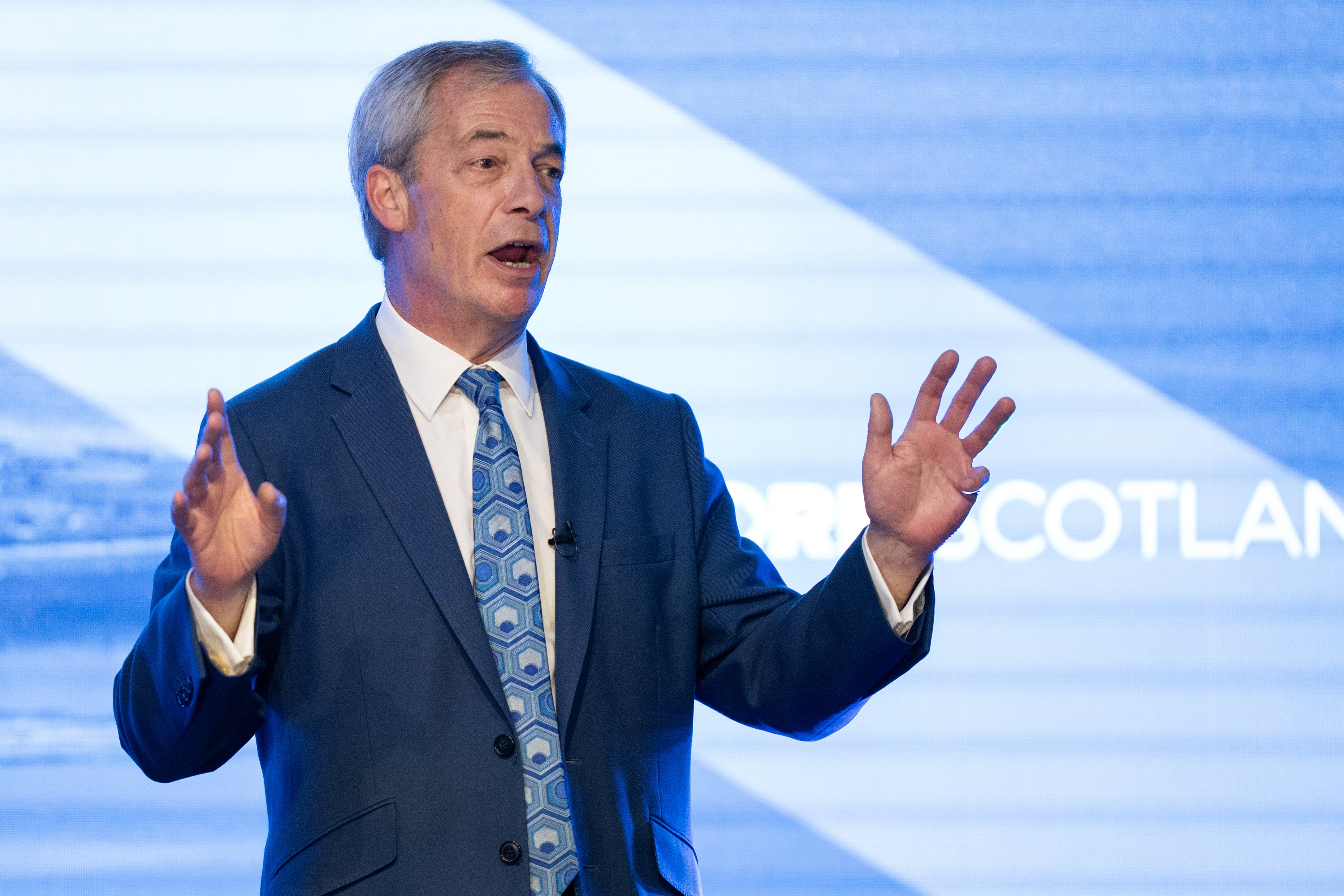 The move, outlined in a new report on Wednesday, could outlaw Reform record-breaking £9m donation from a British businessman based in Thailand (PA Wire)
PA Wire
The move, outlined in a new report on Wednesday, could outlaw Reform record-breaking £9m donation from a British businessman based in Thailand (PA Wire)
PA Wire
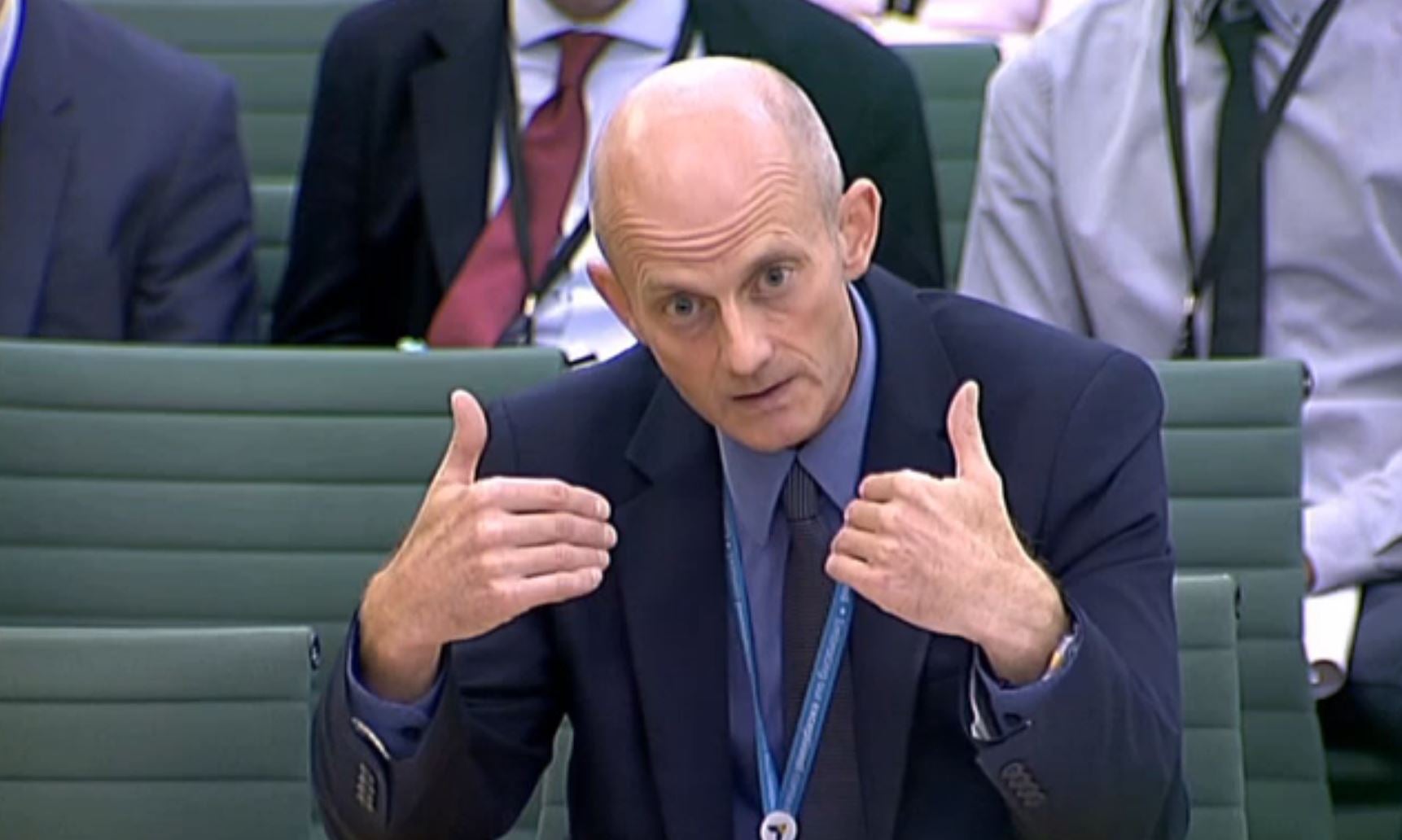 Philip Rycroft says he is here to ‘look out for the interest of our democratic processes’ (PA)
independent.co.uk
Philip Rycroft says he is here to ‘look out for the interest of our democratic processes’ (PA)
independent.co.uk
 An independent report has warned that foreign interference in the UK is ‘real and persistent’ and the government needs to make it a ‘far higher’ priority (PA Archive)
PA Archive
An independent report has warned that foreign interference in the UK is ‘real and persistent’ and the government needs to make it a ‘far higher’ priority (PA Archive)
PA Archive
Britain’s Labour government will impose a temporary moratorium on political donations made through cryptocurrencies, Prime Minister Keir Starmer told MPs, after a review into electoral interference warned of “real and persistent” foreign efforts to influence UK politics. The review, led by former senior civil servant Philip Rycroft, also recommends capping donations from British citizens living abroad who remain on the electoral register, and tightening rules around online political advertising.
The immediate political target is Reform UK, which has been unusually open to crypto funding. According to The Independent, Reform has received large sums from Christopher Harborne, a British investor based in Thailand, and has taken a series of smaller donations routed through cryptocurrency. The report’s publication revived earlier criticism that Nigel Farage promoted Tether—where Harborne is a shareholder—after receiving major support, a sequence that turns “donation” into a relationship the public must infer rather than audit.
The government’s stated logic is traceability. Crypto transfers can be structured to obscure the original source, and a ban is a clean rule that does not require the Electoral Commission to become a forensic blockchain unit. But a moratorium also shifts the competitive landscape in ways that are harder to measure. Established parties already have long-standing donor networks, compliant compliance teams, and conventional channels—direct bank transfers, membership drives, fundraising dinners. Newer parties, especially those built around online mobilisation, have fewer legacy routes and more incentive to experiment.
That does not mean the money disappears. It tends to move sideways into forms that are both legal and less legible: payments via intermediaries, “consultancy” services, event sponsorship, or overseas-linked structures that are nominally domestic. Rycroft’s review flags foreign-funded online political ads and recommends restrictions, but ad spending is a broad category that often travels through agencies, platforms and shell organisations. A ban on one instrument can increase the value of the remaining workarounds.
The review’s threat assessment is expansive. It names Iran, Russia and China as hostile actors and says attempts to “gain leverage and sow division and distrust” are becoming more acute. It also warns of a “potential new threat” from the United States—an unusual line in a UK government-commissioned document that suggests the definition of interference is stretching from covert state operations to the broader ecosystem of cross-border money and media.
Reform called the move “a dark day for Britain,” while Liberal Democrats urged Farage to return past crypto donations. Rycroft said he had spoken to Reform while compiling the report and insisted he was not protecting any party’s interests.
For now, the change is procedural: a moratorium, not a permanent rewrite of party finance law. But it arrives at a moment when political competition is increasingly fought through payment rails, platforms and compliance rules—and the parties that wrote the rules are the ones best equipped to follow them.