
Los Angeles jury finds Meta and YouTube liable for teen addiction
Negligence ruling targets autoplay feeds and notifications, punitive phase turns product design into courtroom arithmetic
Images
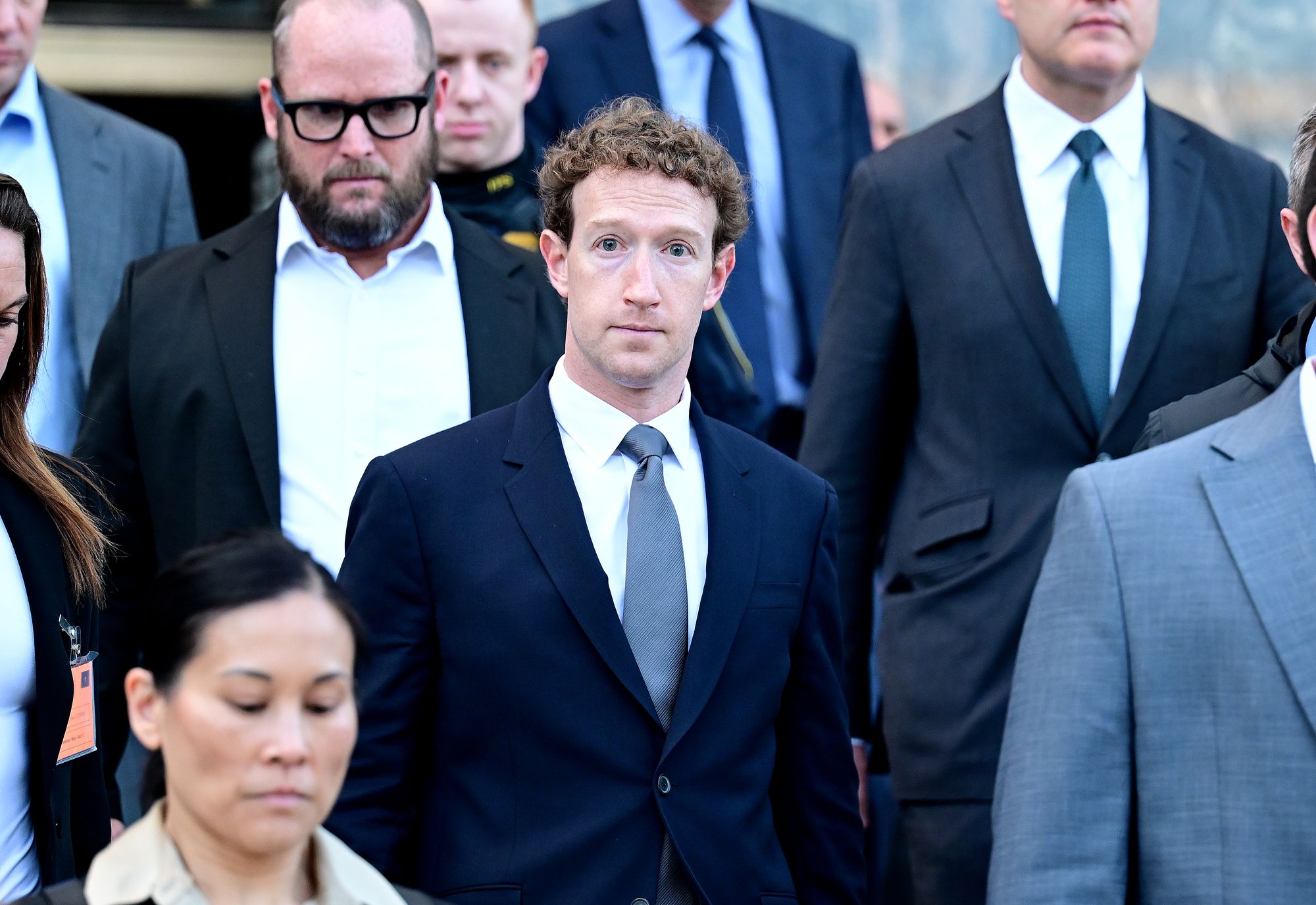 Meta found liable in a social media addiction trial in Los Angeles (Getty)
Getty
Meta found liable in a social media addiction trial in Los Angeles (Getty)
Getty
A Los Angeles jury has found Meta and Google’s YouTube liable on all seven counts in a lawsuit brought by a 20-year-old plaintiff who says she became addicted to social media as a child.
According to The Independent and AP News, jurors awarded $3 million in compensatory damages after more than 40 hours of deliberations over nine days. The plaintiff, identified in court documents as Kaley or KGM, testified that she began using YouTube at age six and Instagram at age nine, and that compulsive use worsened pre-existing mental health struggles.
The verdict turns on product features that are ordinary to users and central to platform growth: infinite feeds, autoplay, and notifications. The plaintiff’s lawyers argued these mechanics were designed to “hook” minors; the jury concluded the companies knew the designs were dangerous for young users and failed to provide adequate warnings. Meta said it disagreed with the verdict and was evaluating legal options.
The case is being watched because it is among the first “social media addiction” suits to reach a jury verdict, and it arrives one day after a New Mexico jury ordered Meta to pay $375 million in a separate child-safety case. Together they underline a shift: when legislatures stall on clear rules for youth use, courts can end up setting de facto standards through negligence findings and damages.
That pressure rarely produces a simple product change. It tends to generate layers of compliance design: more prompts, more warnings, more age gates, more logging to prove a company tried. These measures create their own markets—age-verification vendors, audit trails, expert witnesses—and they reward platforms that can afford legal and engineering overhead, while smaller competitors face the same liability theories with fewer buffers.
The Los Angeles jury also found “malice” or highly egregious conduct, which moves the case into a second phase to determine punitive damages. That phase is where a verdict can become a balance-sheet event, and where other plaintiffs’ firms learn what a jury is willing to punish.
Kaley’s claim began with a childhood habit and ended as a question of design responsibility. The next phase will decide how expensive that answer becomes.