
Zombie ships reappear in Strait of Hormuz
Tracking data shows vessels using identities of scrapped tankers and carriers, war-risk insurance and toll routes turn shipping into paperwork first and navigation second
Images
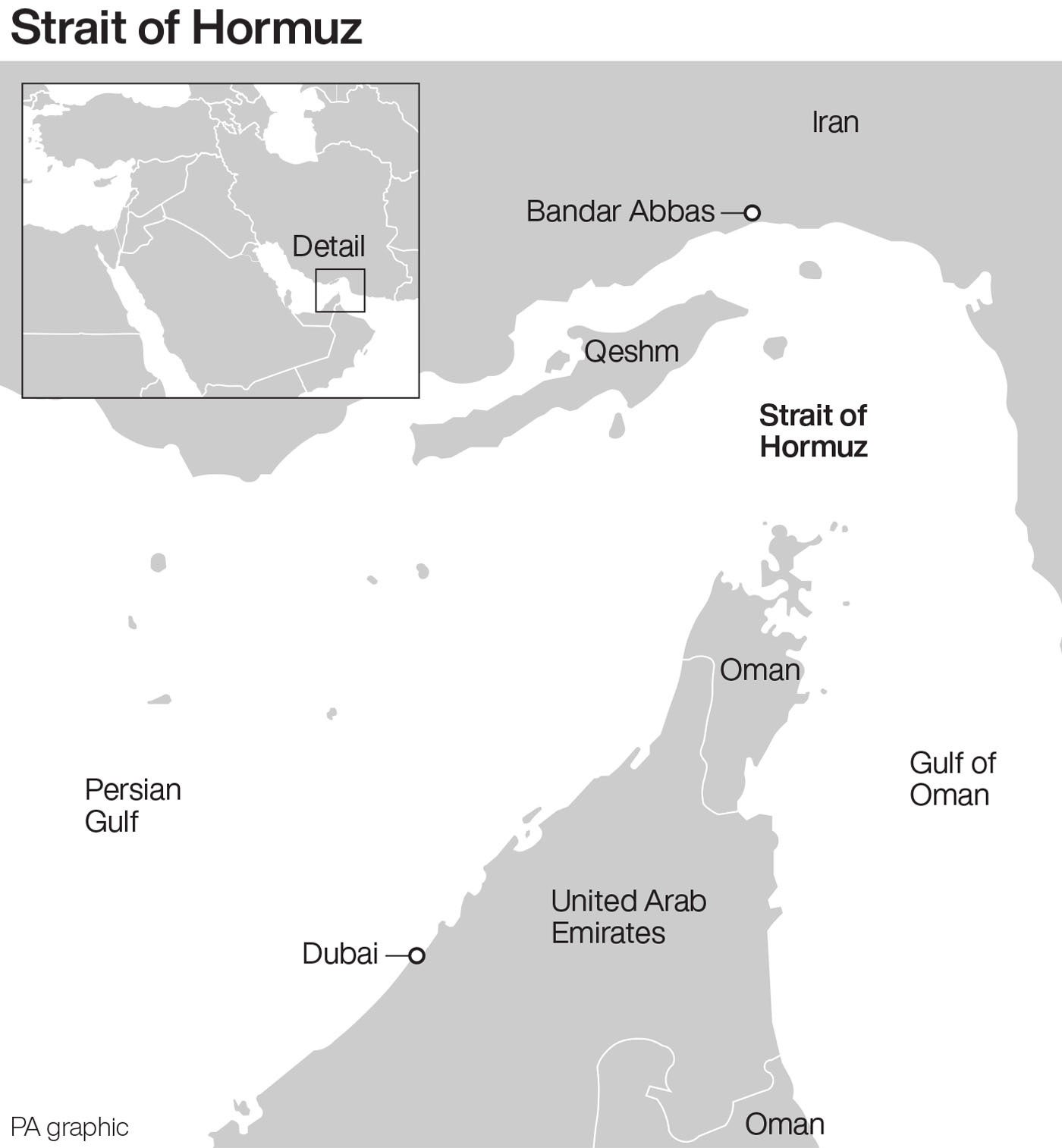 A fifth of the world’s oil and LNG supply passes through the Strait of Hormuz, just 25-miles-wide at its narrowest (PA Graphics)
PA Graphics
A fifth of the world’s oil and LNG supply passes through the Strait of Hormuz, just 25-miles-wide at its narrowest (PA Graphics)
PA Graphics
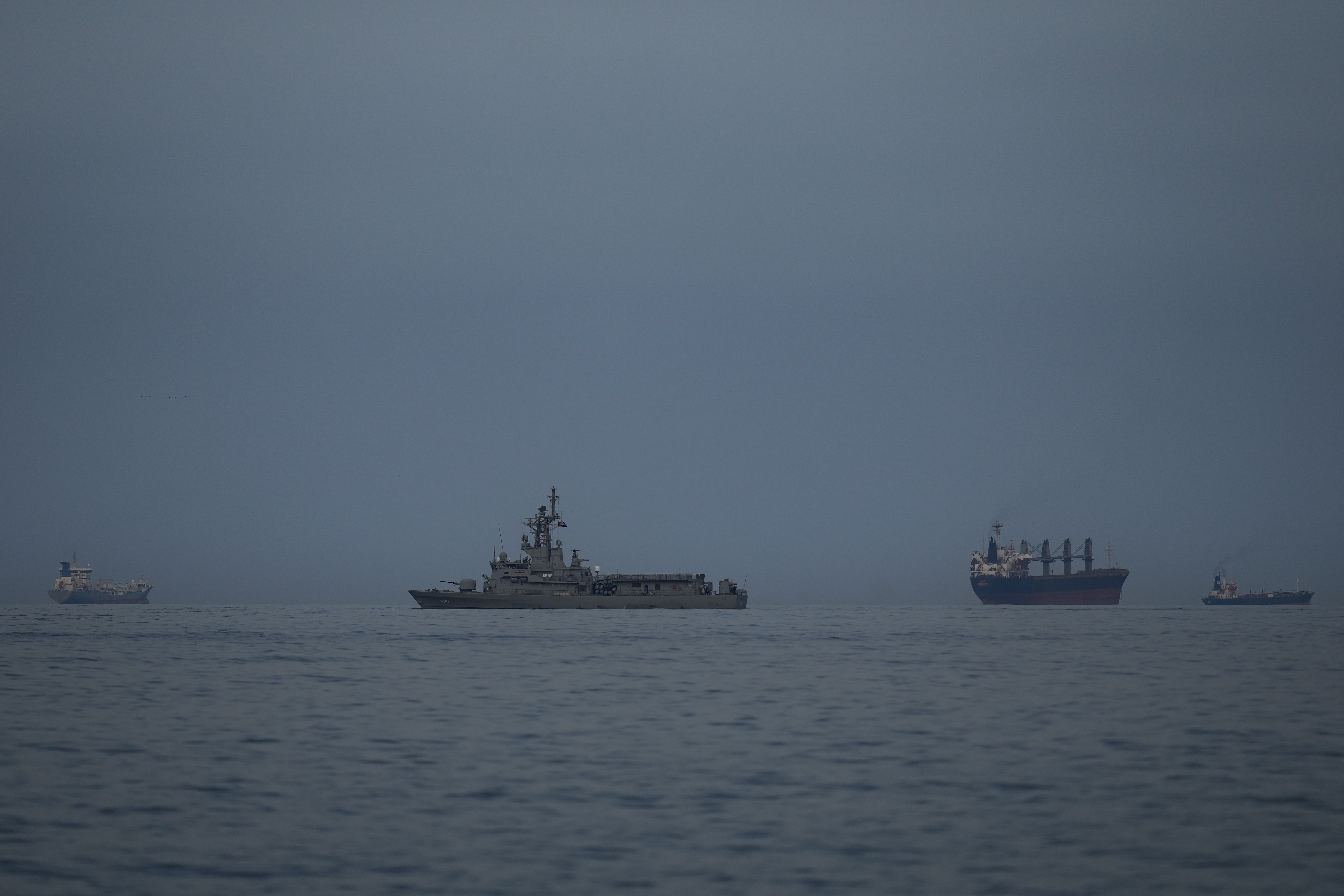 A UAE navy vessel patrols next to stranded cargo ships and oil tankers stuck in the Persian Gulf, as seen from Khor Fakkan, United Arab Emirates (UAE). (AP)
independent.co.uk
A UAE navy vessel patrols next to stranded cargo ships and oil tankers stuck in the Persian Gulf, as seen from Khor Fakkan, United Arab Emirates (UAE). (AP)
independent.co.uk
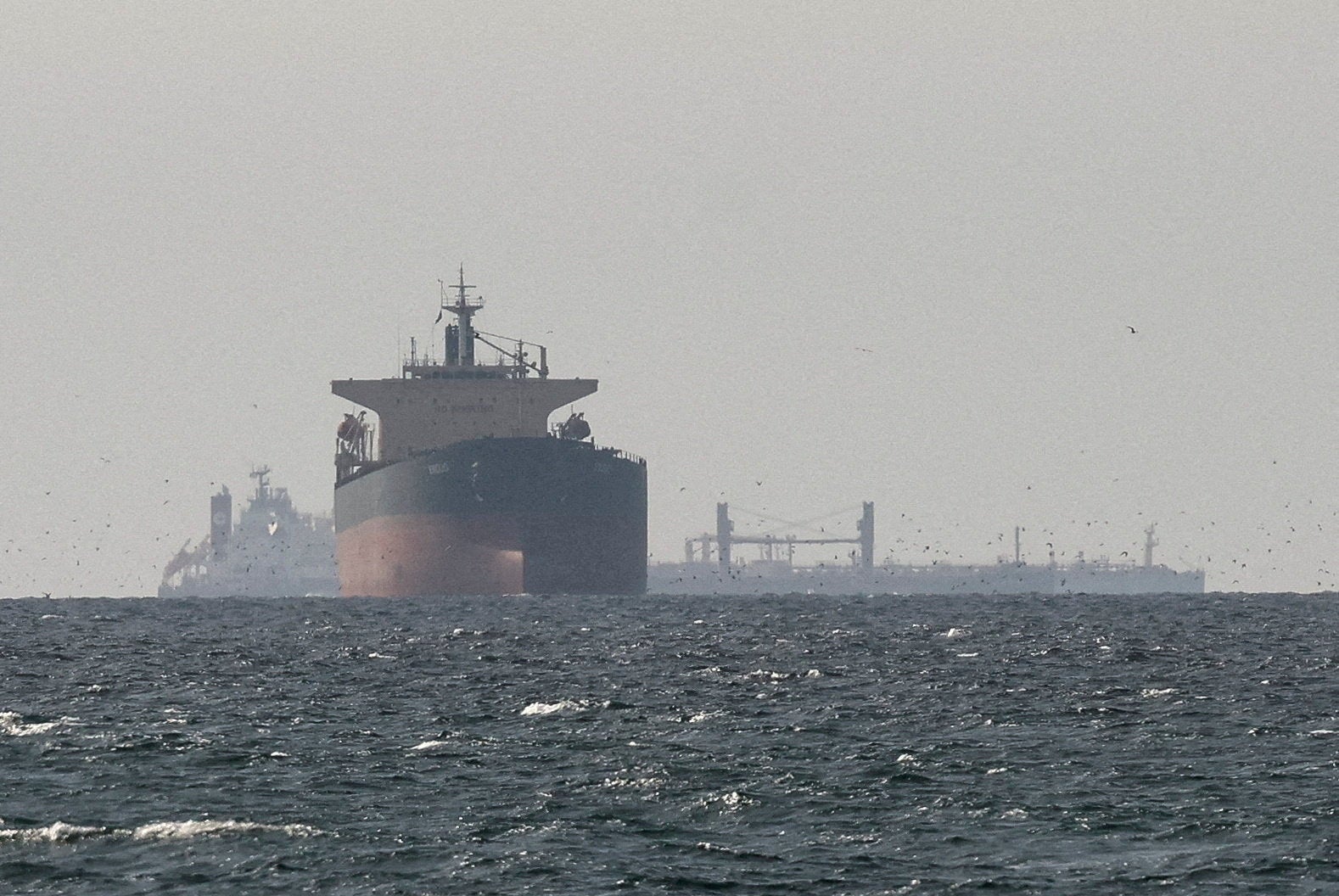 Cargo ships unable to pass through the Strait of Hormuz, as seen from northern Ras al-Khaimah, UAE. (Reuters)
Reuters
Cargo ships unable to pass through the Strait of Hormuz, as seen from northern Ras al-Khaimah, UAE. (Reuters)
Reuters
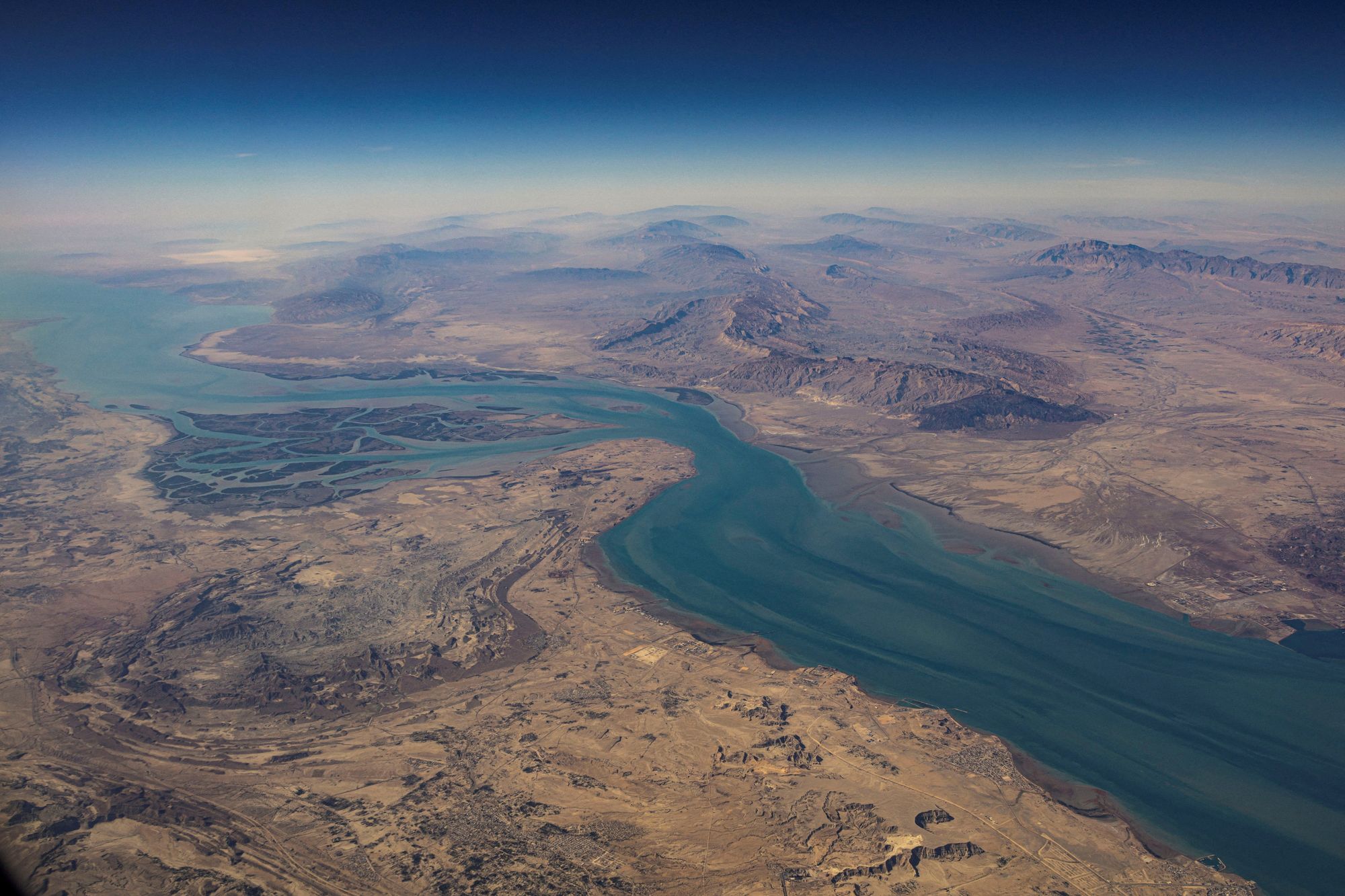 From the barren, jagged coast and steep mountain passes which line the strait, Iran is able to launch drones and explosive-laden boats (Reuters)
Reuters
From the barren, jagged coast and steep mountain passes which line the strait, Iran is able to launch drones and explosive-laden boats (Reuters)
Reuters
 Middle East crisis live: confusion over Iran’s response to US proposal to end war
theguardian.com
Middle East crisis live: confusion over Iran’s response to US proposal to end war
theguardian.com
Three vessels have been observed transiting the Strait of Hormuz while broadcasting identities tied to ships that were previously recorded as scrapped, according to tracking data cited by The Independent. The report describes the LNG Jamal, the vehicle carrier Baltic Highway and the crude tanker Nabiin appearing in positions inconsistent with their documented dismantling in India and Bangladesh. Lloyd’s List is cited describing a “Tehran Toll Booth” route near Iran’s Qeshm and Larak islands, where Revolutionary Guard personnel verify details and, in some cases, charge for passage.
The point is not the theatrics of “ghost ships” but the market they imply. When a chokepoint becomes a war-risk zone, the first blockade is often administrative: insurers reprice coverage, banks tighten trade finance, and compliance desks slow approvals. A ship can physically sail through Hormuz and still be commercially stranded if it cannot obtain insurance, letters of credit, or a port willing to accept the cargo without sanctions exposure. That is how a two-tier system forms—regular shipping for low-risk routes and a shadow fleet for everything else.
The Independent notes that roughly a fifth of global oil and LNG passes through the strait, and that Iran initially exempted ships before tightening conditions and later offering “safe passage” for “non-hostile” vessels. In practice, “non-hostile” becomes a paperwork category as much as a diplomatic one, and the price is paid by importers further down the chain. Higher war-risk premiums and longer routing times do not stay on a shipping line’s balance sheet; they show up as freight surcharges, delayed inventory, and higher delivered energy costs.
The same mechanics encourage identity games. If access to a corridor depends on who you are, some operators will try to become someone else—reusing IMO numbers, spoofing AIS signals, or sailing under flags and ownership structures designed to keep counterparties deniable. Shadow-fleet techniques have been used for North Korea for decades and expanded after Russia’s 2022 invasion of Ukraine; The Independent frames the Hormuz sightings as the first time such tactics are thought to have been used since the current US-Israeli war with Iran began.
For European economies, the vulnerability is less about oil wells going offline than about just-in-time logistics failing at the margin. A factory does not need a total embargo to stop; it needs one missing input that cannot clear insurance or finance.
On the water, the ships still move. On paper, they increasingly do not.