
India ramps up Russian oil purchases
US Hormuz waiver keeps cargoes moving while payments shift to yuan and dirham, war-risk paperwork becomes the real bottleneck
Images
 zerohedge.com
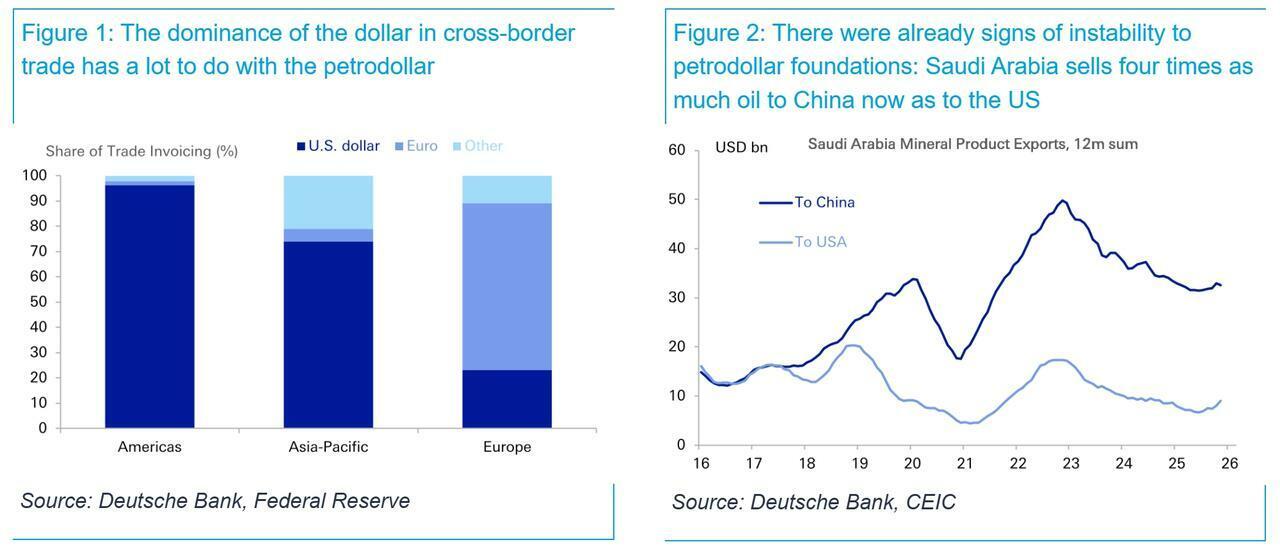
Indian refiners have booked roughly 60 million barrels of Russian crude for delivery next month, paying premiums of about $5 to $15 a barrel to Brent, according to Bloomberg figures cited by ZeroHedge. The purchases follow a US waiver that lets buyers take Russian oil already loaded before early March as the Iran war disrupts flows through the Strait of Hormuz. At the same time, Indian buyers are increasingly settling Russian cargoes through rupee accounts that are converted into UAE dirham or Chinese yuan.
The oil itself is not the only chokepoint. When a major shipping lane becomes contested, the first thing to seize up is often the paperwork around it: war-risk insurance, letters of credit, and the compliance sign-offs that let cargo move between banks, shipowners, charterers, and traders. A tanker can be physically seaworthy and still become commercially unusable if insurers refuse cover or banks refuse trade finance. That pushes buyers toward suppliers and routes where the financing chain is shorter, the counterparties are already sanctioned or sanction-tolerant, and payment can be routed through banks with limited exposure to US and EU enforcement.
The Bloomberg-reported mechanism—rupees deposited into special offshore accounts for Russian sellers and then converted into dirham or yuan—shows how quickly commodity trade adapts when the dollar clearing system becomes a liability rather than a convenience. The choice of currency is secondary to the choice of banking rails. Dirham settlement leans on the UAE’s role as a financial intermediary; yuan settlement leans on China’s growing footprint in energy trade and its willingness to warehouse geopolitical risk. Even when contracts remain priced off Brent, the operational reality shifts: more counterparties, more conversions, and more points where a bank’s “comfort level” determines whether a cargo is tradable.
Europe sits on the wrong side of that adaptation. The EU’s energy costs rise when Gulf disruption adds insurance and financing premia to seaborne crude, but European firms are also the most constrained in how they can respond. Indian refiners can pivot back to Russian barrels when a waiver appears; European refiners face a tighter sanctions perimeter and a smaller set of acceptable intermediaries. The result is not a clean “shortage” story, but a widening spread between who can still buy energy with normal paperwork and who must pay for complexity.
The longer Hormuz remains a place where passage depends on documentation, permissions, and risk underwriting, the more valuable it becomes to have alternative settlement channels already tested. In that environment, the competitive advantage is not owning oil reserves; it is having banks, insurers, and shipping partners who will still sign.
India’s April cargo list is being assembled with clocks running: the US waiver is set to expire on April 11. The barrels are already moving, but the paperwork is what decides who can keep buying them next month.