
Longer abstinence worsens sperm DNA quality
Meta-analysis of nearly 55000 men challenges standard two-to-seven-day clinic advice, fertility optimisation market gains another variable to sell
Images
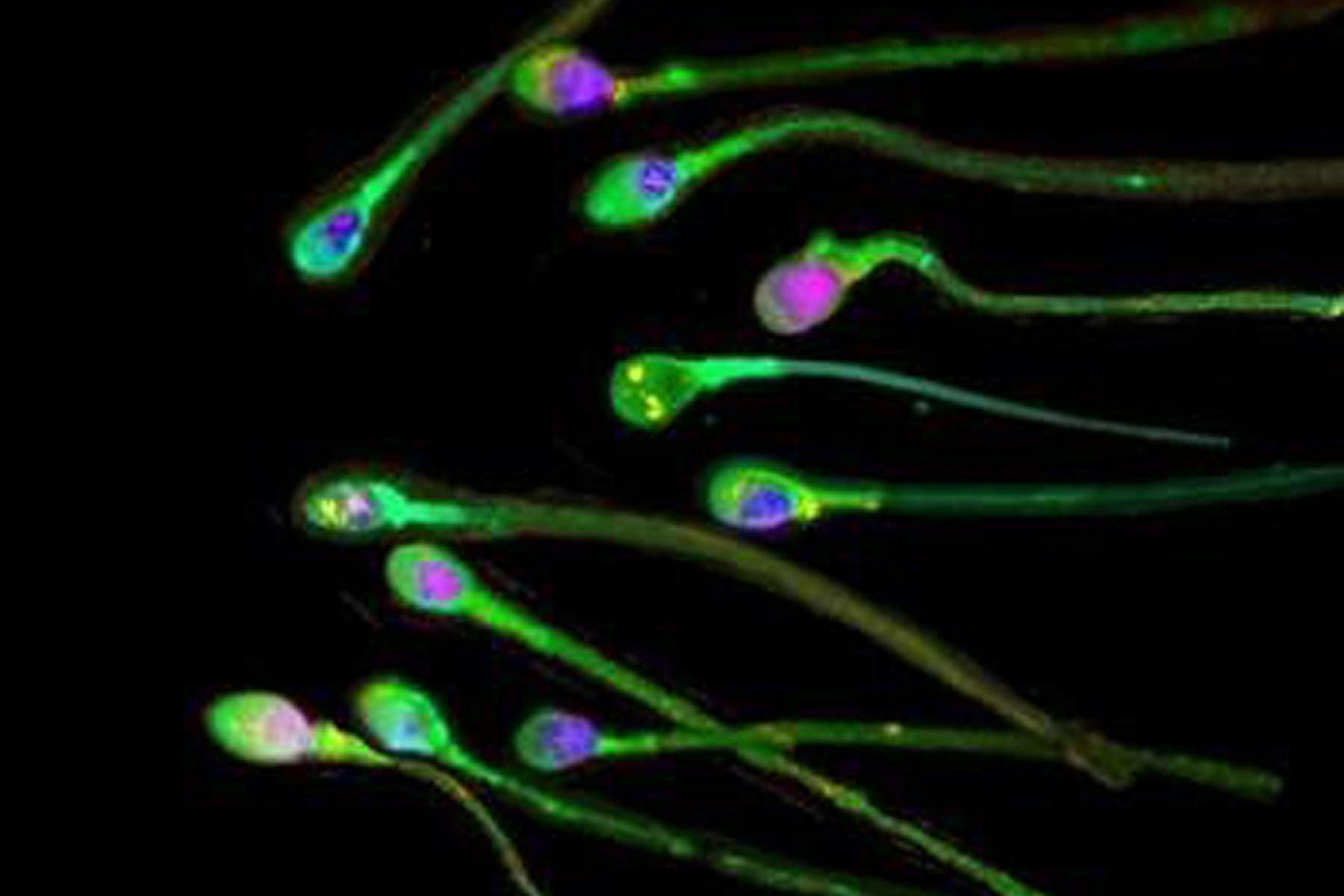 Research found using high-frequency ultrasound waves on sperm can boost their ability to swim (The Journal of Science of Human Sperm/PA) (PA Media)
PA Media
Research found using high-frequency ultrasound waves on sperm can boost their ability to swim (The Journal of Science of Human Sperm/PA) (PA Media)
PA Media
A new meta-analysis pooling semen data from 115 studies and nearly 55,000 men finds that longer abstinence before ejaculation tends to increase sperm count while worsening several markers of sperm quality, including motility, viability and DNA integrity. The analysis, discussed by Oxford researchers in The Conversation and republished by The Independent, points to measurable rises in sperm DNA fragmentation with longer storage time in the male reproductive tract.
The result lands in the middle of a long-running clinical compromise: fertility clinics often ask men to abstain for two to seven days before producing a sample, because higher volume and concentration make lab handling easier and can lift total sperm numbers. But the same “banking” period also means sperm sit longer in an oxidative environment, where reactive oxygen species can damage membranes and DNA. The Independent article cites two proposed mechanisms: oxidative stress—biological “rust”—and energy depletion in sperm cells that remain metabolically active while stored.
For couples trying to conceive naturally, these findings do not translate into a universal instruction to ejaculate as frequently as possible. Pregnancy depends on timing relative to ovulation, underlying male and female factors, and the fact that semen parameters are noisy: they vary day to day, and many men with suboptimal numbers still conceive. What the meta-analysis does suggest is that “more days is always better” is a poor rule of thumb, especially when the endpoint is DNA fragmentation rather than raw count.
In IVF and related treatments, the trade-off becomes more explicit. A clinic wants enough motile sperm for ICSI or conventional IVF, but also wants to minimise DNA damage that can affect embryo development. Some studies now compare shorter abstinence windows—sometimes under 48 hours—against traditional multi-day abstinence, with hints of improved outcomes in certain settings. That creates a practical question: whether lab protocols should be adjusted by diagnosis, rather than applied as a single blanket instruction.
There is also a commercial layer. Fertility care is increasingly packaged as “male optimisation” with add-on tests, supplements and repeat analyses, and semen quality is an easy target because it fluctuates and can be linked to lifestyle narratives. A message that ordinary behaviour—how long you wait between ejaculations—materially changes DNA integrity can be used either as sober guidance or as a lever for more monitoring.
The World Health Organization’s current guidance for semen analysis remains two to seven days’ abstinence. The new analysis does not overturn that standard so much as highlight why the number was always a compromise between quantity and quality—and why the compromise may not fit every patient.