
Google data center plan triggers recall drive in Sand Springs Oklahoma
Local zoning and annexation collide with AI infrastructure boom, tax base arrives faster than consent
Images
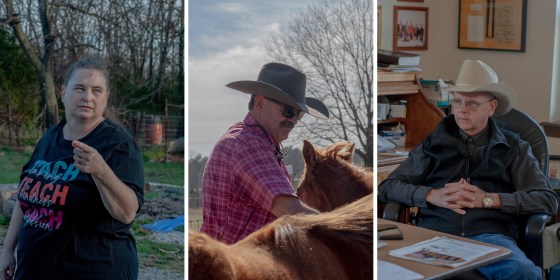 Images: Christa Putnam; Rick Plummer; Chief Charley Pearson.
nbcnews.com
Images: Christa Putnam; Rick Plummer; Chief Charley Pearson.
nbcnews.com
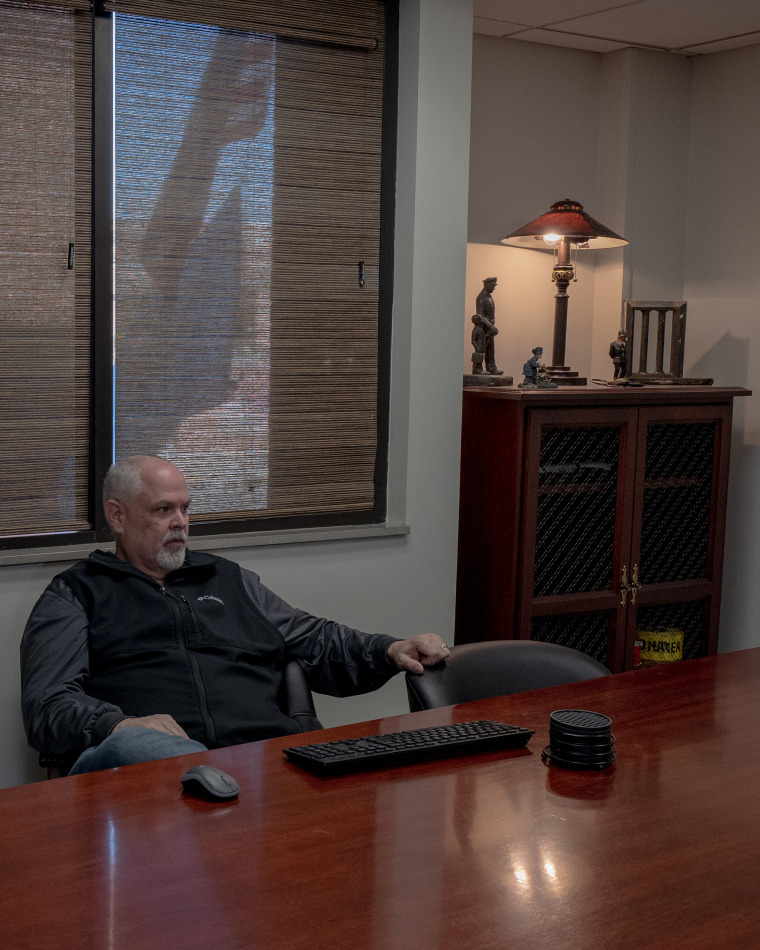 Mike Carter, city manager of Sand Springs, Okla., said the proposed data center is a potential economic engine for the area. September Dawn Bottoms for NBC News
nbcnews.com
Mike Carter, city manager of Sand Springs, Okla., said the proposed data center is a potential economic engine for the area. September Dawn Bottoms for NBC News
nbcnews.com
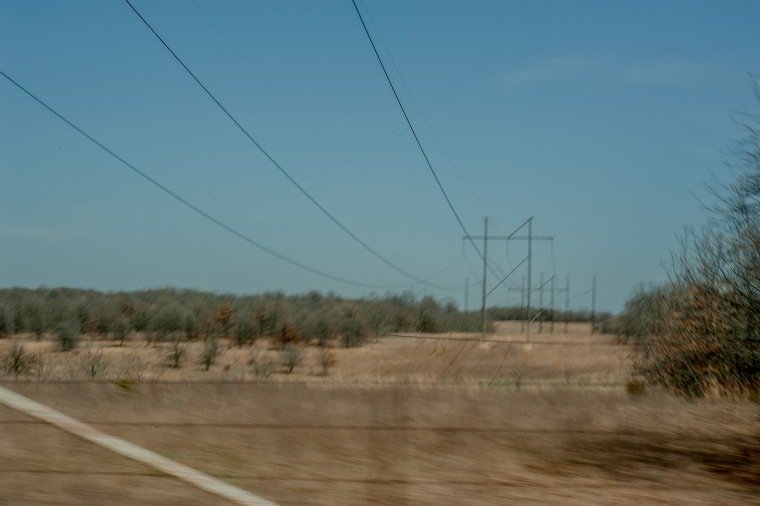 The site of the proposed data center is a few miles outside Sand Springs.September Dawn Bottoms for NBC News
nbcnews.com
The site of the proposed data center is a few miles outside Sand Springs.September Dawn Bottoms for NBC News
nbcnews.com
 In recent weeks, residents of Sand Springs have been approached with dueling messages about the data center, including mailers against the recall effort.September Dawn Bottoms for NBC News
nbcnews.com
In recent weeks, residents of Sand Springs have been approached with dueling messages about the data center, including mailers against the recall effort.September Dawn Bottoms for NBC News
nbcnews.com
 Rancher Rick Plummer, whose family raises quarter horses, has sued over the city's annexation of land neighboring his property for the data center.September Dawn Bottoms for NBC News
nbcnews.com
Rancher Rick Plummer, whose family raises quarter horses, has sued over the city's annexation of land neighboring his property for the data center.September Dawn Bottoms for NBC News
nbcnews.com
Sand Springs, a Tulsa suburb of about 20,000 people, is trying to recruit a Google AI data center on 827 acres of farmland. Within weeks of the plan going public, local opponents filed a lawsuit and launched a recall campaign targeting the entire City Council, including the mayor, after the council voted 6–1 to rezone land tied to the project, NBC News reports.
The fight is local—annexation boundaries, zoning maps, and who gets a say—but the pressures are national. Tech companies are racing to build data centers as they scale AI systems, and NBC cites estimates that the industry will spend around $700 billion on new facilities this year. That capital wave collides with municipal governments that can approve land-use changes quickly, often with limited public participation, and then market the decision as “jobs and prosperity.”
Opponents in Sand Springs argue the process was effectively pre-decided. They say land was annexed into city limits so it could be connected to power lines, and that residents were asked to react after key steps were already in motion. Google’s project page claims the buildings would occupy less than 10% of the land and that the development would add tax revenue without straining the power grid or water supply.
That promise is exactly where the incentives diverge. Data centers are capital-intensive but not labor-intensive: they can add a large tax base while creating fewer permanent jobs than voters expect. The largest costs—grid upgrades, transmission buildouts, water usage, and the opportunity cost of land—tend to land on local utilities and residents, while the upside is captured by the company and, in the short term, by elected officials who can point to “landing” a marquee investment.
Recalls are an unusually blunt instrument for a zoning dispute, but they are becoming a standard tactic in the data-center boom. NBC notes at least five recall efforts since 2022 tied to data-center approvals, including campaigns in Michigan and Wisconsin. Most never reach the ballot; Ballotpedia data cited by NBC suggests only about 12% of recall targets were removed from office last year.
In Sand Springs, organizers say they have collected roughly half of the nearly 5,000 signatures required across six wards by March 31. Even if the recall fails, the campaign functions as a warning to other councils: approving AI infrastructure can be politically riskier than the ribbon-cutting suggests.
The project’s name is “Project Spring.” The deadline for signatures is March 31.