
JetBlue flight returns after runway coyote strike
T.F. Green incident highlights how aviation safety depends on fences patrols and inspection routines, the delay cost shows up as missed connections not headlines
Images
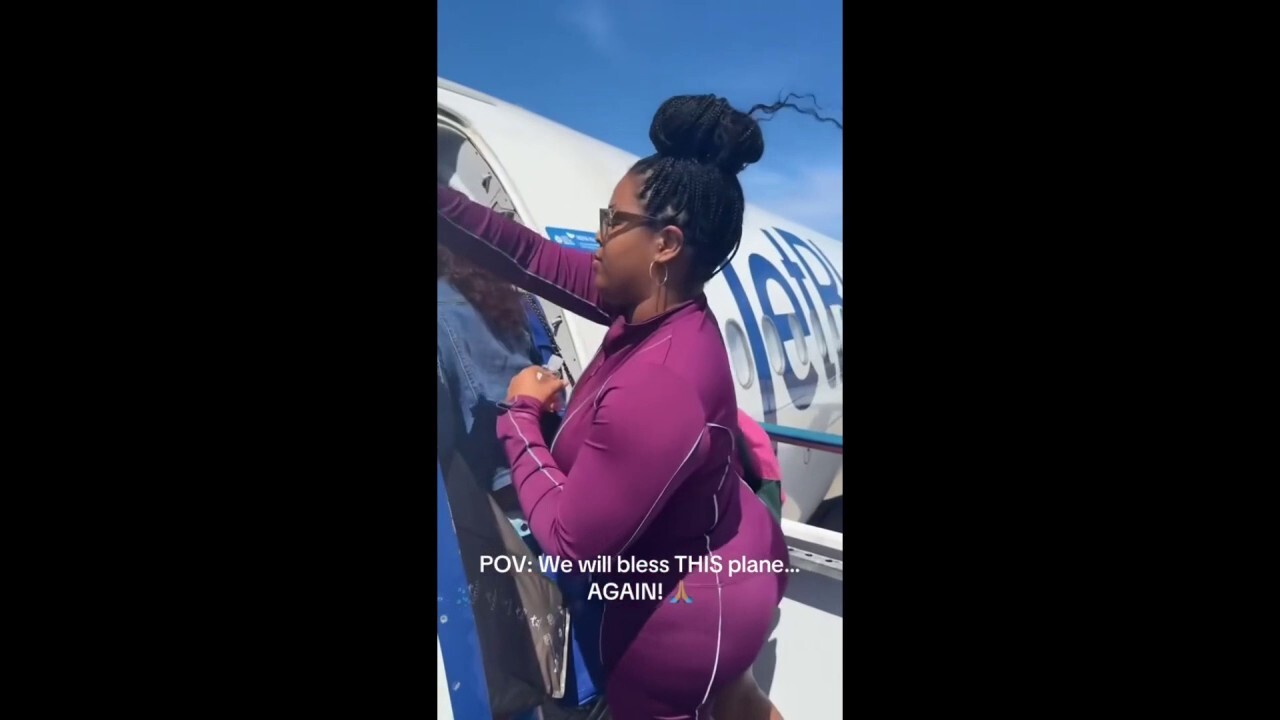 JetBlue passenger Desiree Salter posted video of her blessing a plane with oil to social media on Feb. 15, and the video has gone viral following recent flight incidents. Credit: @desireesalter /TMX
foxbusiness.com
JetBlue passenger Desiree Salter posted video of her blessing a plane with oil to social media on Feb. 15, and the video has gone viral following recent flight incidents. Credit: @desireesalter /TMX
foxbusiness.com
 A JetBlue Airways plane
foxbusiness.com
A JetBlue Airways plane
foxbusiness.com
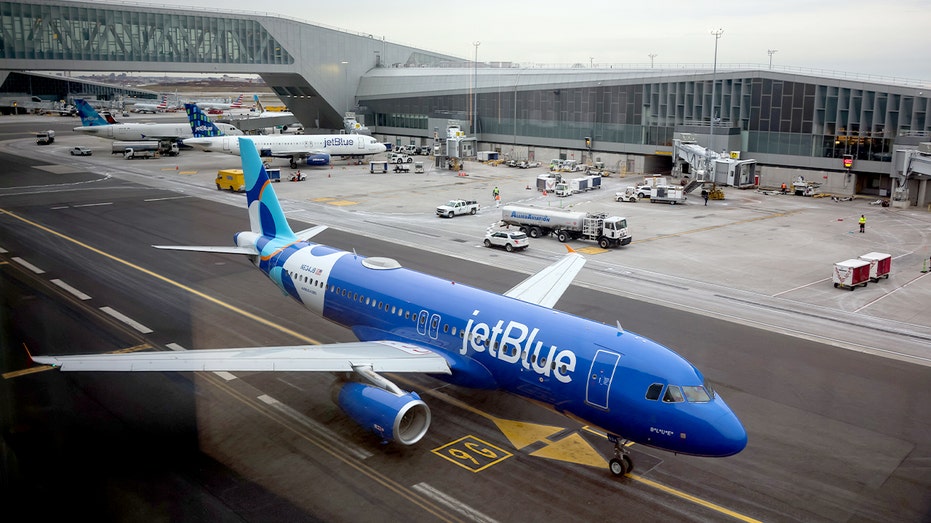 JetBlue aircraft parked at gates and taxiways at LaGuardia Airport as a winter storm approaches New York City.
foxbusiness.com
JetBlue aircraft parked at gates and taxiways at LaGuardia Airport as a winter storm approaches New York City.
foxbusiness.com
 JetBlue Spirit Airliners
foxbusiness.com
JetBlue Spirit Airliners
foxbusiness.com
JetBlue Flight 1129 hit a coyote during takeoff from Rhode Island’s T.F. Green Airport on Tuesday and returned to Providence about 15 minutes later for inspection before departing again.
According to Fox Business, passengers reported hearing a “thud” on the runway and were later told by the crew that the landing gear had made contact with wildlife. Emergency crews met the aircraft on its return, and passengers were asked to deplane while the plane was checked. FlightAware data cited by the outlet shows the aircraft took off again after about two hours and landed at New York’s JFK Airport shortly after 9 a.m.
The incident is a reminder that aviation risk is not confined to mid-air drama or complex avionics. Wildlife strikes are low-frequency events for any single passenger but a routine workload for airports and airlines, and they are governed by mundane details: perimeter fencing, grass height, drainage ditches that attract animals, patrol schedules, and whether someone is paid to notice a broken gate before a coyote does. When those details fail, the “safety system” becomes a pilot’s decision to turn back and a maintenance team’s ability to spot damage quickly.
Airports in the United States typically run wildlife hazard management programs, often built around periodic surveys, habitat modification and removal of animals. But the work competes with everything else airports buy and outsource: security, cleaning, snow removal, runway inspections, and the contractors who do them. The more fragmented the operation, the easier it is for a risk to sit between checklists—especially when nothing happens most days.
For airlines, the economics are similarly unglamorous. A single return-to-gate can cascade into missed connections, crew time, rebooking costs and aircraft rotation delays. In this case, one passenger told WPRI-TV the delay caused her and her wife to miss a connecting flight to Costa Rica, though they rebooked for the next day. The airline said the plane returned “out of an abundance of caution,” a phrase that usually translates into a simple arithmetic: it is cheaper to absorb a delay than to gamble on unseen damage.
The coyote itself never appears in the safety reports passengers read. The evidence is the timeline: a takeoff at around 6:16 a.m., a return by 6:40 a.m., and a second departure after 8:30 a.m.