
Drone strike hits Kuwait airport fuel tank
Civil aviation authority reports fire contained with no casualties, cheap attacks force expensive rerouting and insurance repricing
Images
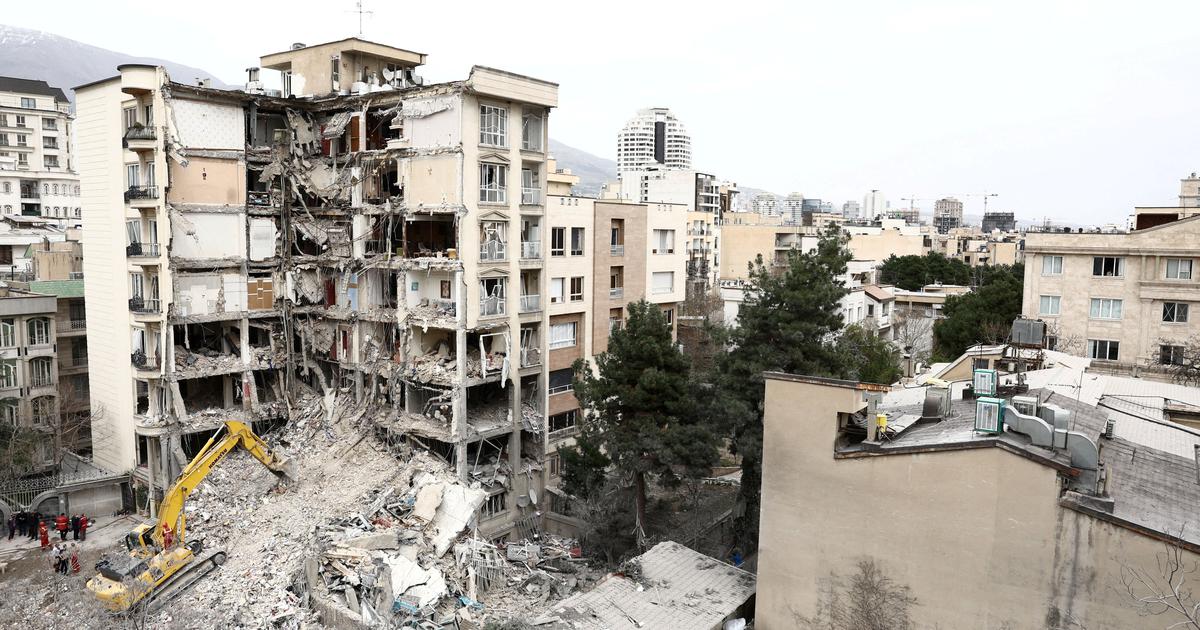 A view of a residential building that was damaged by a strike in Tehran, Iran on March 23, 2026.
|
Majid Asgaripour/WANA (West Asia News Agency) via Reuters
scroll.in
A view of a residential building that was damaged by a strike in Tehran, Iran on March 23, 2026.
|
Majid Asgaripour/WANA (West Asia News Agency) via Reuters
scroll.in
A drone strike hit a fuel tank at Kuwait International Airport and caused a fire with no reported casualties, according to Reuters, as relayed by Scroll.in. Kuwait’s civil aviation authority said emergency procedures were activated and firefighting teams contained the blaze, with initial assessments pointing to material damage.
The choice of target matters more than the size of the warhead. A fuel tank is not a “military site” in the narrow sense, but it sits at the center of a civilian system that turns jet fuel into flight schedules, cargo capacity, and predictable insurance pricing. Disrupting that system forces airlines to re-route, airports to ration, and insurers to reprice risk across an entire network. The attacker’s cost is measured in a drone and a launch team; the defender’s bill arrives as extra patrols, hardened storage, redundant supply lines, and grounded aircraft.
This is the same logic already visible at sea. Shipping in and around the Strait of Hormuz has been throttled even without a formally declared blockade, because underwriters and operators price uncertainty more quickly than governments can negotiate “corridors.” A strike on airport fuel infrastructure extends that dynamic inland: it turns the Gulf’s air hubs into another point where private risk managers—insurers, lessors, and freight forwarders—can effectively impose their own ceasefire by refusing to carry exposure.
The incident also undercuts the comforting distinction between “frontline” and “rear area.” Gulf states host major bases and logistics nodes for the U.S. and its partners, but their pitch to investors and expatriate labor has long been that the commercial layer remains insulated. Once drones can reach fuel storage at a civilian airport, the practical question becomes which assets can be protected continuously, not which assets are politically important.
Kuwait has not named the perpetrator. In a conflict where both sides trade claims and denials daily, the more durable effect is how quickly a single fire can be converted into higher premiums and tighter operating rules.
Kuwait’s aviation authority said the fire caused only material damage. The fuel tank was still at Kuwait International Airport.