
Colombian military C-130 crash kills at least 66
Early footage and statements narrow timelines but not mechanisms, investigators must reconcile recorders wreckage and maintenance logs
Images
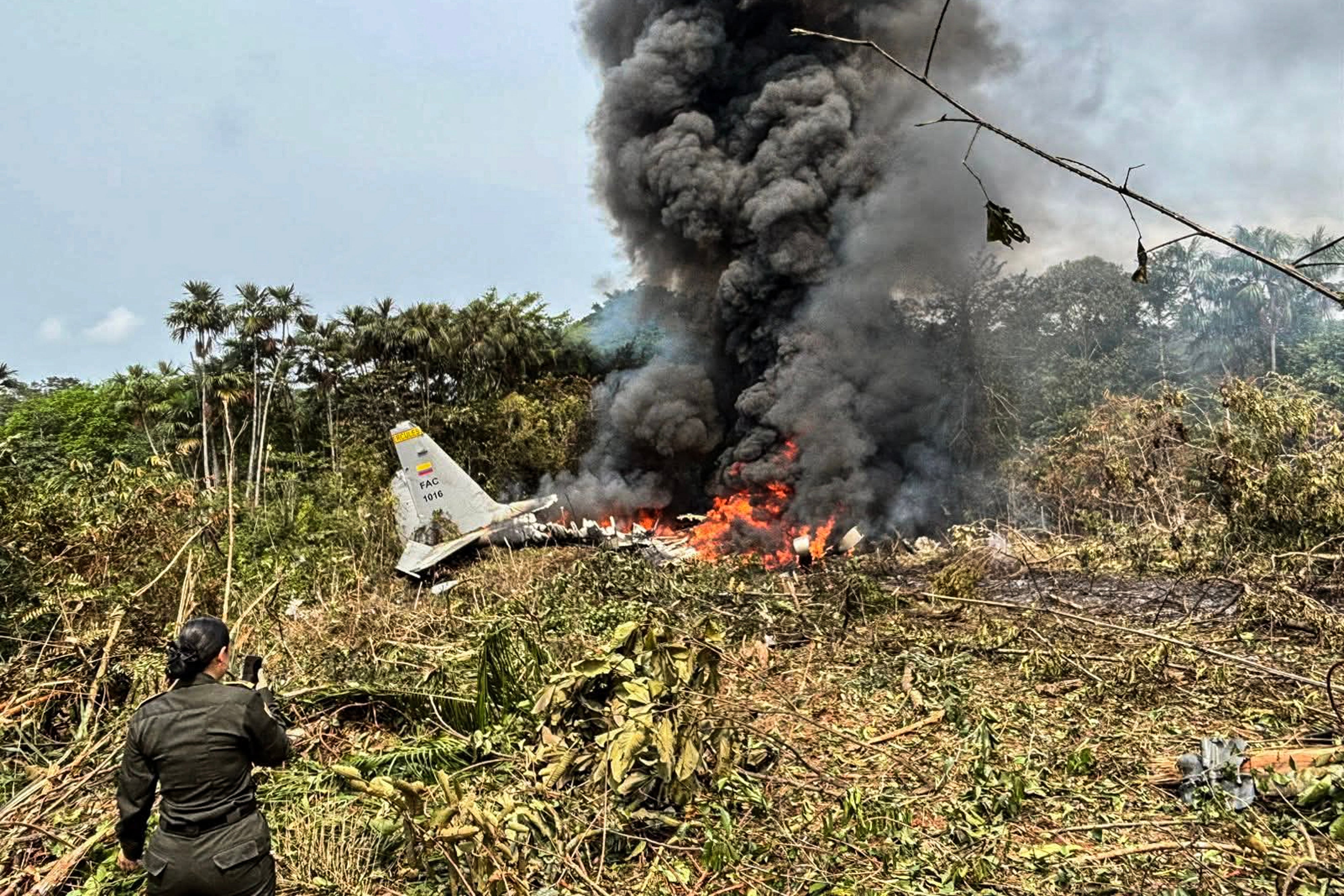 The burning wreckage of a Colombian military plane that crashed on Monday, killing at least 66 people (AFP/Getty)
AFP/Getty
The burning wreckage of a Colombian military plane that crashed on Monday, killing at least 66 people (AFP/Getty)
AFP/Getty
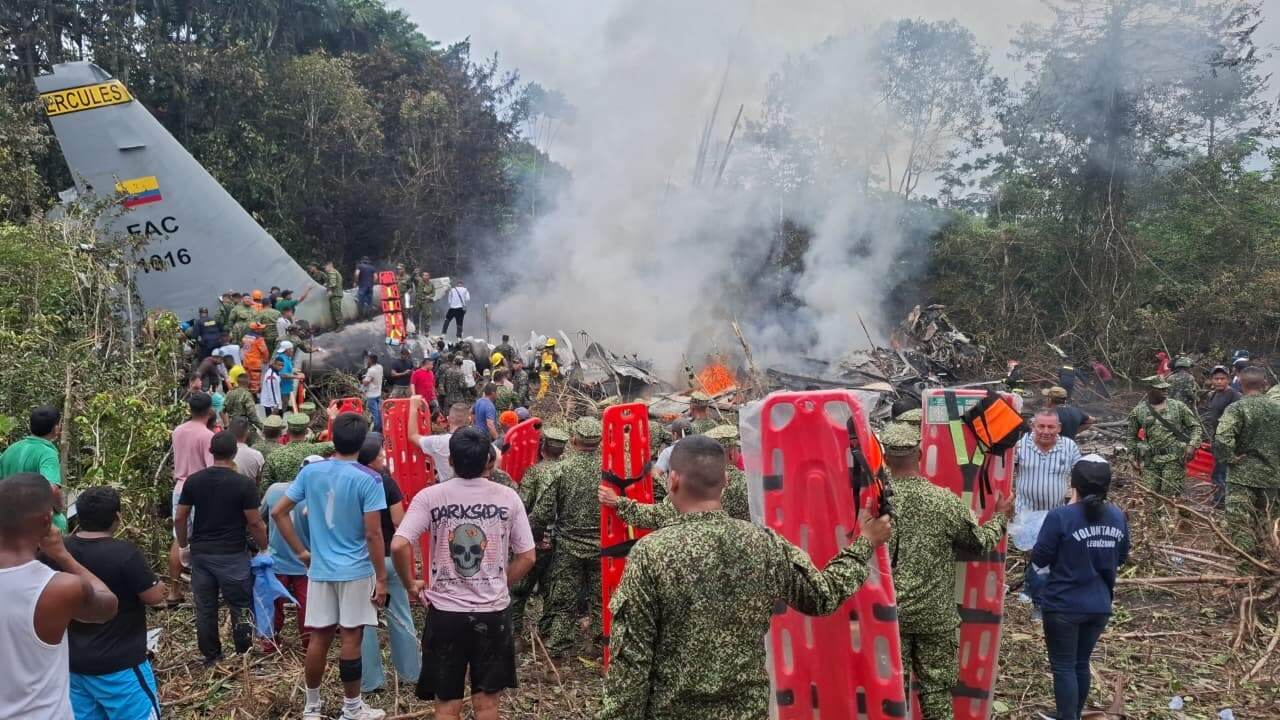 Rescuers stand around a military cargo plane that crashed after taking off from Puerto Leguizamo in Colombia (AP)
independent.co.uk
Rescuers stand around a military cargo plane that crashed after taking off from Puerto Leguizamo in Colombia (AP)
independent.co.uk
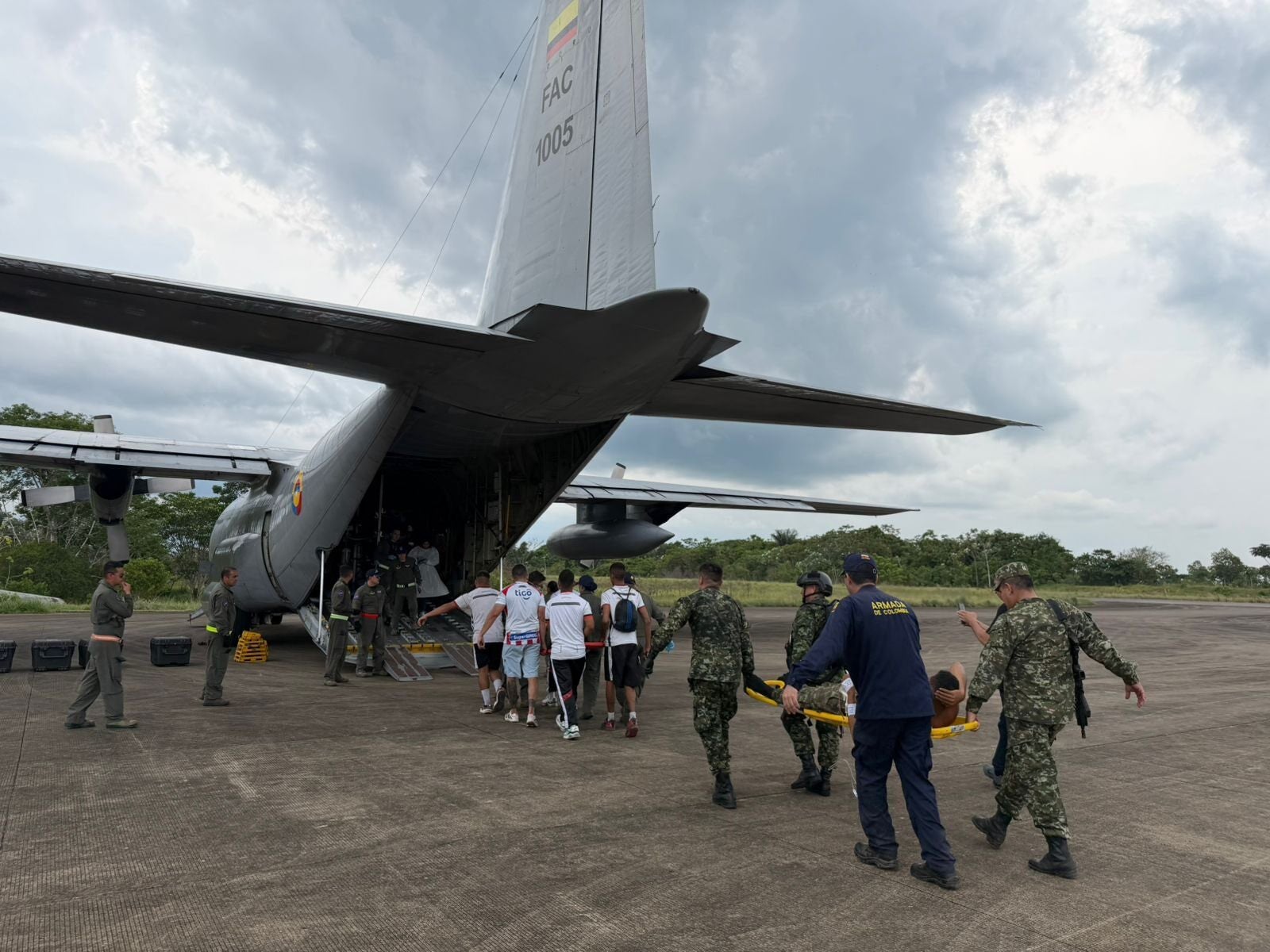 People injured in the military plane crash are evacuated to hospitals for treatment (Colombia’s Armed Forces press office)
Colombia’s Armed Forces press office
People injured in the military plane crash are evacuated to hospitals for treatment (Colombia’s Armed Forces press office)
Colombia’s Armed Forces press office
One of the most visible consequences of a plane crash is how quickly a cause is supplied—often before investigators have secured the scene. The Colombian military says at least 66 people died when a Lockheed Martin C-130 Hercules went down shortly after take-off from Puerto Leguizamo, near the Peru border, with 128 people reportedly on board, according to The Independent.
What investigators can know early is narrower than what headlines imply. A crash “moments after take-off” constrains the timeline, but it does not identify a mechanism. The first hard facts typically come from three streams: recorded data (flight data recorder and cockpit voice recorder, if recoverable), physical evidence (impact pattern, fire damage, control-surface positions, engine fragments), and paperwork (maintenance logs, deferred defects, parts histories, crew duty time, and any recent modifications). Each stream can contradict the others until reconciled.
Video from the ground can be useful, but mostly for ruling out categories. A shallow descent might suggest loss of lift, power, or control, yet the same visual can result from very different failures: asymmetric thrust from an engine problem, a flight-control issue, a load shift, or an aborted take-off decision made too late. The Independent reports that officials said there was no indication of an attack by an armed group—an example of an early exclusion that narrows the investigation without solving it.
The hardest part early on is separating what happened from why it happened. A statement that ammunition detonated after the crash, also reported by The Independent, is about post-impact fire dynamics; it may explain the severity of the wreckage and casualty count, but it does not explain why the aircraft hit the ground. Likewise, political commentary—President Gustavo Petro wrote that “bureaucratic problems” had delayed modernization—may be relevant context for fleet condition, but it is not a finding about this airframe, this crew, or this flight.
Modern accident investigation is a method for shrinking uncertainty, not a race to narrative closure. Investigators will map the debris field, document engine and propeller states, examine fuel and hydraulic systems, and correlate any recorder data with air traffic control communications and weather. If the aircraft was being updated, as reported, they will also look at configuration control: what was changed, by whom, and whether the paperwork matches the hardware.
In Puerto Leguizamo, bodies were taken to the town morgue and the injured were moved through local clinics before being flown onward, local officials said. The aircraft hit the ground about 1.5 kilometres from where it took off.
The distance is precise. The cause is not.