
Iran war raises medical supply costs in India
Petrochemical feedstocks and Hormuz freight hit gowns syringes and dialysis kits, hospital procurement built for stable prices meets rationing logic
Images
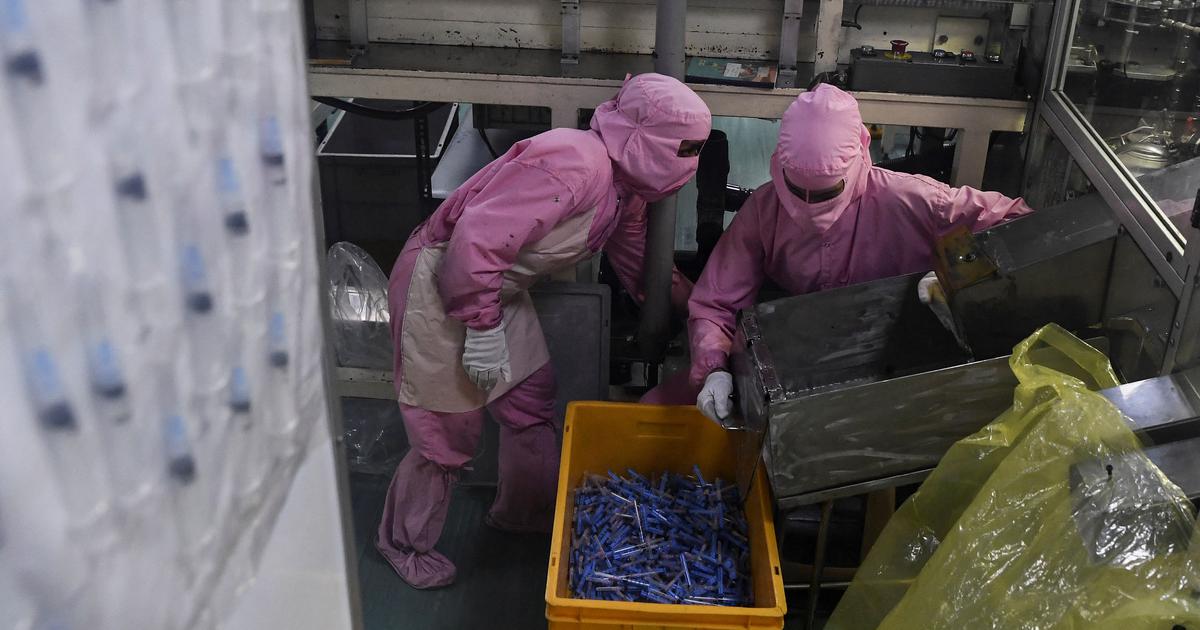 A file picture of a syringe factory in Faridabad.
|
Sajjad Hussain/ AFP.
scroll.in
A file picture of a syringe factory in Faridabad.
|
Sajjad Hussain/ AFP.
scroll.in
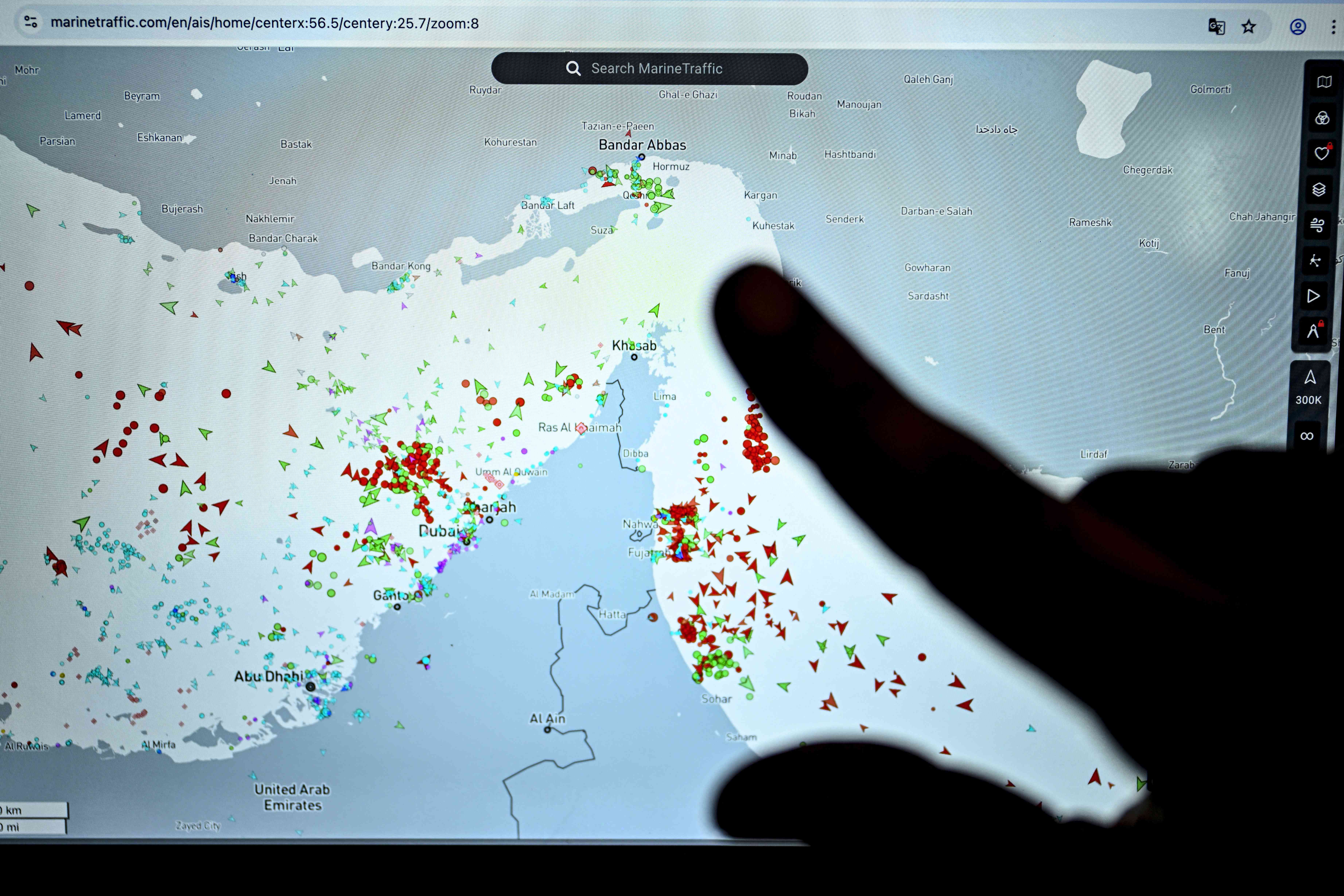 A page on the Marinetraffic website that shows the thinning traffic of commercial boats on the edge of the Strait of Hormuz near the Iranian coast, on March 4. Credit: AFP
AFP
A page on the Marinetraffic website that shows the thinning traffic of commercial boats on the edge of the Strait of Hormuz near the Iranian coast, on March 4. Credit: AFP
AFP
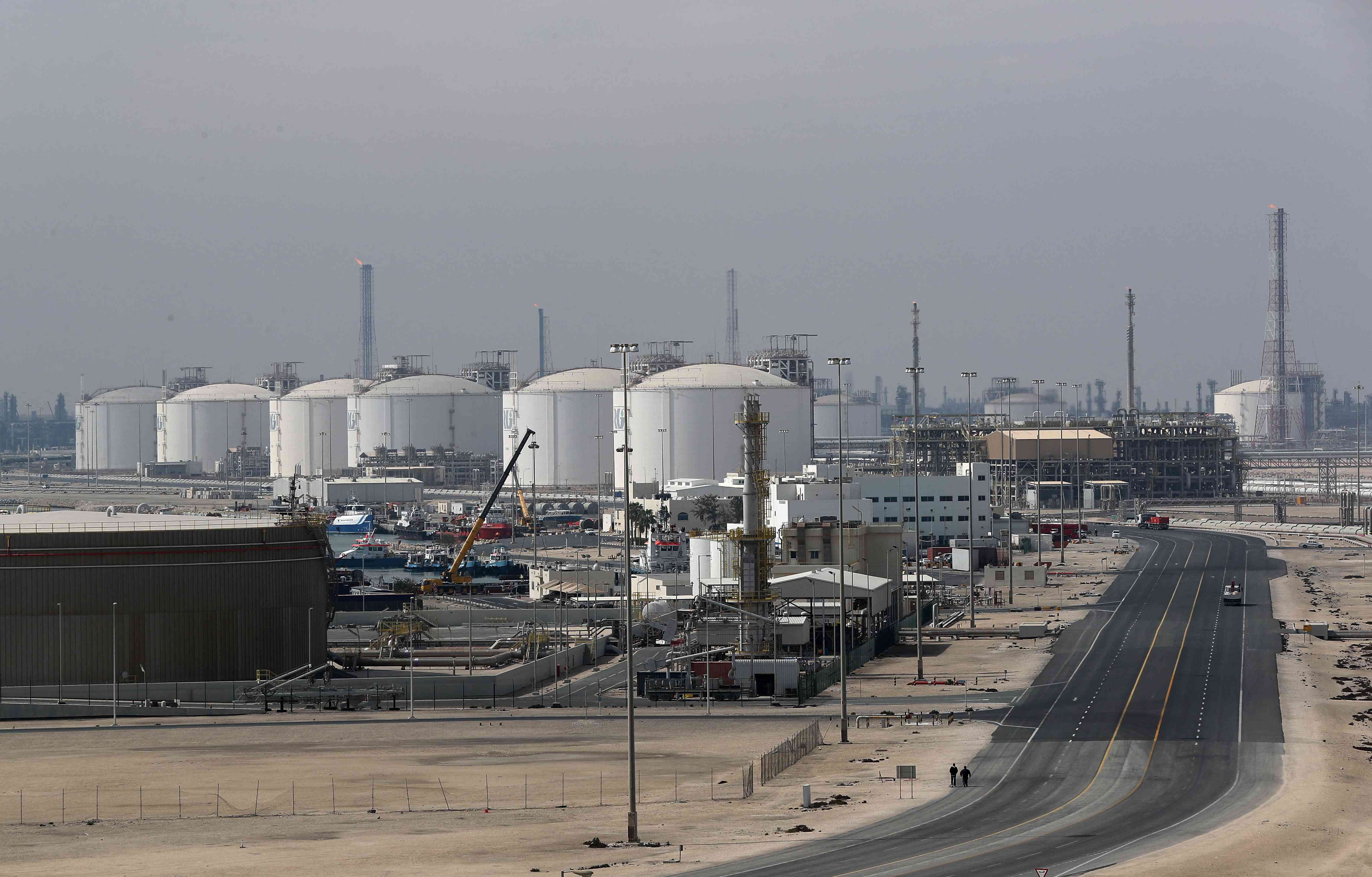 Ras Laffan Industrial City, Qatar's principal site for production of liquefied natural gas, in this image from February 2017. It was attacked by an Iranian missile this month. Credit: AFP.
AFP.
Ras Laffan Industrial City, Qatar's principal site for production of liquefied natural gas, in this image from February 2017. It was attacked by an Iranian missile this month. Credit: AFP.
AFP.
 Oil falls more than 5% and Asian shares gain over Trump's talk of negotiations with Iran
independent.co.uk
Oil falls more than 5% and Asian shares gain over Trump's talk of negotiations with Iran
independent.co.uk
A price jump of 50% turned an 80-rupee surgical gown into a 120-rupee line item at a factory in Visakhapatnam within days, according to Scroll.in. Indian manufacturers say the trigger is the war involving Iran, Israel and the United States, which has tightened supplies of petrochemical feedstocks and disrupted shipping through the Strait of Hormuz.
The immediate problem is not “medical inflation” in the abstract but the chemistry of disposables. Non-woven gowns, syringes, IV cannulae, dialysis kits and IV bags are built around medical-grade plastics such as polypropylene, a petroleum-derived polymer that is cheap, sterilizable and ubiquitous. Scroll reports that some Indian petrochemical suppliers have cut output after the government curtailed gas to industry in order to prioritise household cooking fuel and vehicle fuel, leaving manufacturers paying more for resin and fabric while producing less. A Faridabad firm making syringes and other disposables described raw material costs rising by 40% to 60%, even as it limited price increases on finished goods because hospitals treat the products as essential.
Shipping turns a feedstock shock into a national procurement problem. With Hormuz traffic thinning and freight rates rising, packaging and imported components become more expensive at the same time as domestic inputs tighten. The result is a broad-based price rise across low-margin items that hospitals consume in bulk—exactly the category most exposed to “just-in-time” inventory habits and tender systems that reward the lowest unit price. When a hospital contract is written around a stable price for a commodity plastic, the supplier has two options when resin spikes: deliver at a loss or renegotiate. Either way, the hospital’s planning model breaks.
The second-order effects show up where substitution is hard. Dialysis consumables are not optional for patients who need them several times a week, and the supply chain is specialised enough that a shortage cannot be filled by a generic alternative on short notice. Manufacturers also flagged rising costs for titanium used in dental implants, a reminder that “medical supplies” includes metals, machining and global commodity markets as well as plastics. Even if oil prices fall on hopes of de-escalation—as The Independent reports, Brent crude dropped sharply on talk of negotiations—procurement cycles and shipping schedules lag headlines, and factories do not instantly restore curtailed output.
For systems that advertise care as “free at the point of use,” the constraint arrives as rationing rather than a higher receipt. A hospital can delay elective procedures, stretch inventories, or quietly swap to cheaper products; none of those choices looks like an oil shock on a chart, but each is a clinical decision forced by logistics.
In Visakhapatnam, the gowns still ship—just at 120 rupees each. The invoices are changing faster than any official guidance on what to do when the disposables run out.