
French investigators raid Edmond de Rothschild Paris office
Probe ties former UN diplomat to Epstein files, Swiss enforcement questions remain unanswered
Images
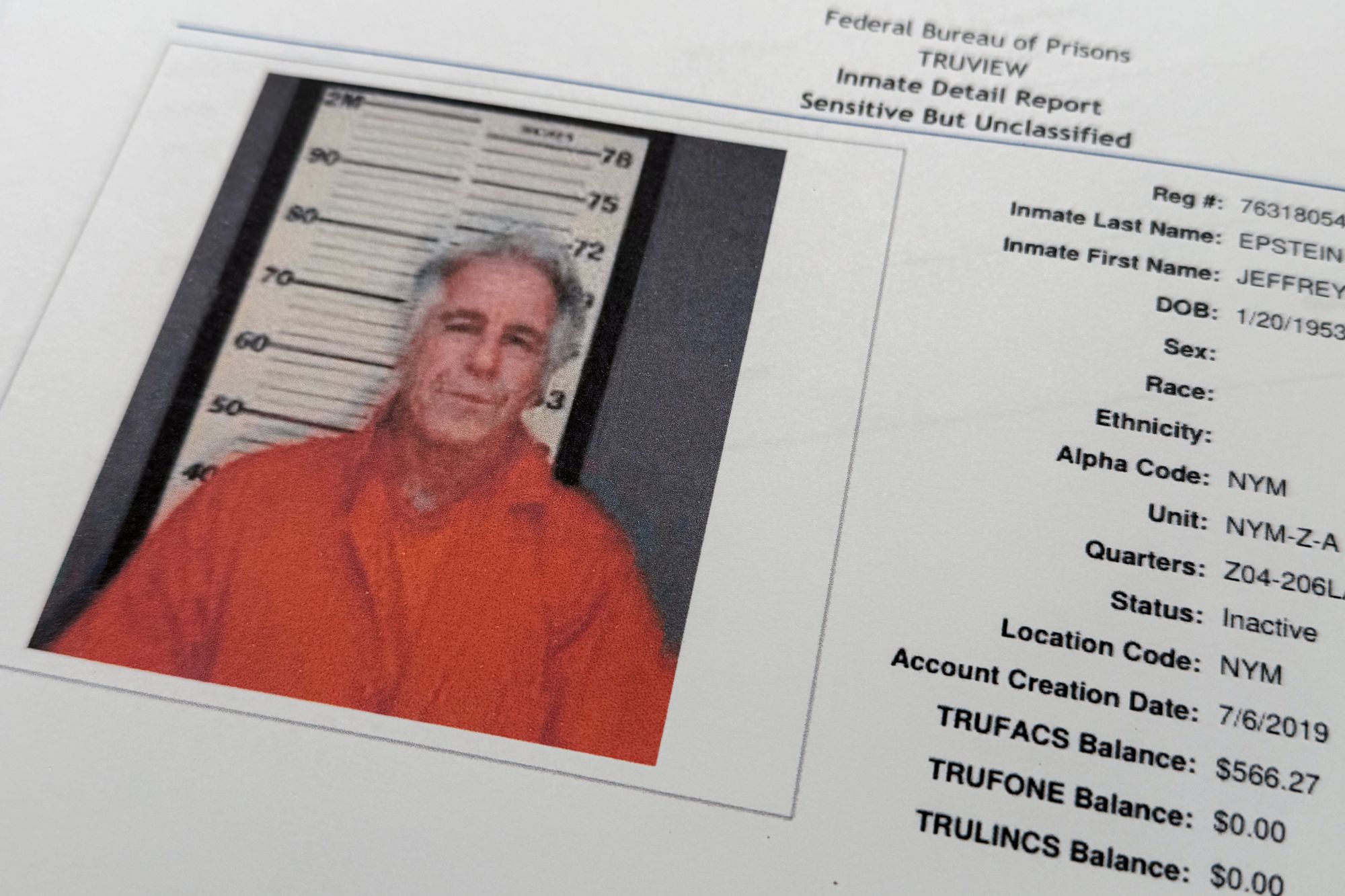 The French Foreign Ministry said it had completed an administrative investigation, performing about 30 interviews (AP)
independent.co.uk
The French Foreign Ministry said it had completed an administrative investigation, performing about 30 interviews (AP)
independent.co.uk
French investigators have searched the Paris offices of Swiss private bank Edmond de Rothschild as part of a probe into alleged “passive corruption” involving a former French diplomat whose name appears repeatedly in newly released Jeffrey Epstein-related documents, according to Reuters, republished by The Independent. The search took place on Friday and, a source close to the bank said, was carried out in the presence of the bank’s chief executive Ariane de Rothschild. French financial prosecutors said the investigation targets Fabrice Aidan, a mid-ranking diplomat seconded to the United Nations from 2006 to 2013 who later worked at the bank.
The case sits at the intersection of three systems that rarely align neatly: diplomatic secrecy, private banking compliance, and cross-border enforcement. Emails cited by Reuters include messages allegedly sent by Aidan to Epstein between 2010 and 2016 from personal and UN accounts; some of those emails show UN Security Council briefings and other confidential documents being transmitted to Epstein. The French Foreign Ministry says it has already completed an administrative investigation, conducting about 30 interviews, and is considering disciplinary proceedings while making its findings available to judicial authorities.
For Edmond de Rothschild, the institutional risk is less about any single former employee than about how investigators treat the bank’s controls and client relationships after the fact. The bank says it is cooperating fully and that it launched an internal inquiry as soon as suspicions emerged about Aidan, who worked there from 2014 to 2016. In Europe’s private banking world, compliance functions are built to satisfy regulators’ checklists—know-your-customer files, transaction monitoring, enhanced due diligence—yet the true penalty is not the fine but the prospect of being deemed unfit to operate.
That is where the jurisdictional asymmetry matters. France can raid a local office, seize documents, and question staff; it cannot directly compel Swiss prosecutors to move at the same speed, nor can it rewrite what Swiss regulators choose to prioritise. Swiss financial regulator Finma told Reuters it considers “all reliable information” in its supervision and conducts in-depth reviews when doubts arise about the integrity of business activities. Swiss federal prosecutors did not immediately say whether they were investigating, and the Geneva prosecutor’s office declined to comment on whether any measures were taken.
The Epstein files also pull senior reputations into view without necessarily changing legal exposure. Ariane de Rothschild appears in the US Justice Department document release, with records indicating years of personal correspondence with Epstein before his 2019 arrest. The bank has described Epstein as a “business acquaintance” from 2013 to 2019 and said she had no knowledge of his conduct. In practice, that distinction—acquaintance, client, introducer—often determines whether an institution faces a compliance review, a criminal case, or a public-relations storm.
The raid in Paris produced a concrete outcome: boxes of documents leaving an office building. Whether anything comparable happens in Geneva will depend on what Swiss authorities decide is worth pursuing.