
MLB introduces automated ball-strike challenges
ABS system lets players appeal calls within two seconds, umpire becomes default decision as strike zone turns numeric
Images
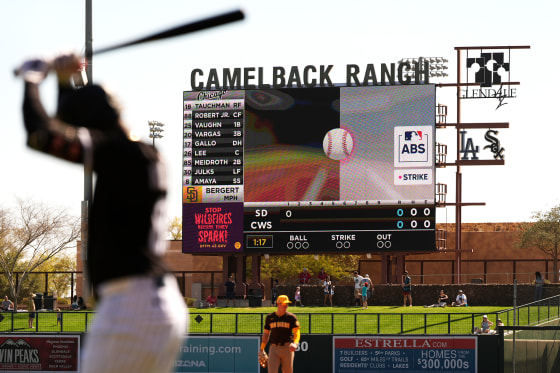 Spring Training Baseball
nbcnews.com
Spring Training Baseball
nbcnews.com
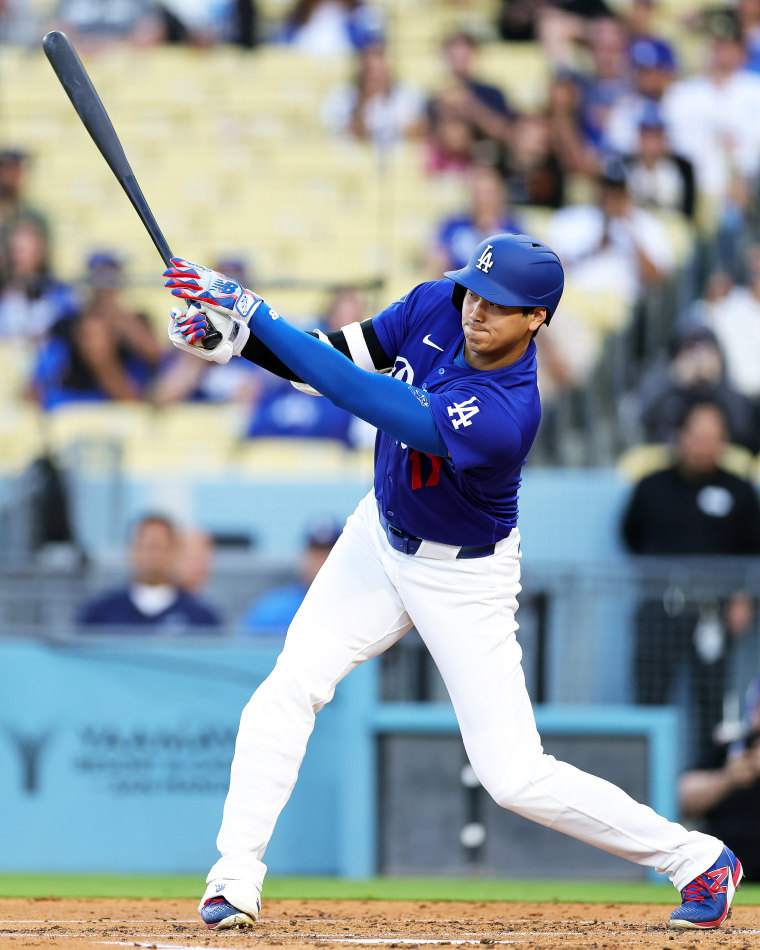 Shohei Ohtani #17 of the Los Angeles Dodgers in the first inning of play in a spring training game at Dodger Stadium on Monday.Ronald Martinez / Getty Images
nbcnews.com
Shohei Ohtani #17 of the Los Angeles Dodgers in the first inning of play in a spring training game at Dodger Stadium on Monday.Ronald Martinez / Getty Images
nbcnews.com
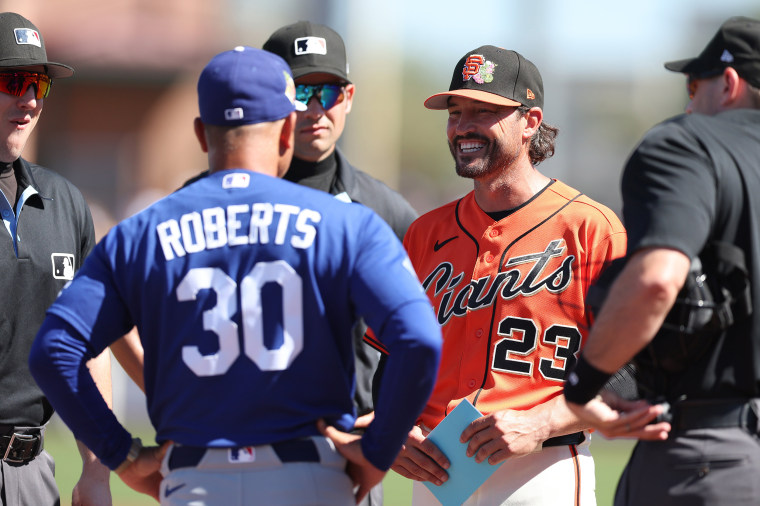 San Francisco Giants manager Tony Vitello at Scottsdale Stadium on Feb. 27 in Arizona.Jeremy Chen / Getty Images
nbcnews.com
San Francisco Giants manager Tony Vitello at Scottsdale Stadium on Feb. 27 in Arizona.Jeremy Chen / Getty Images
nbcnews.com
Major League Baseball will begin using an Automated Ball-Strike (ABS) challenge system in the 2026 season opener on Wednesday, when the San Francisco Giants host the New York Yankees, NBC News reports. After a home-plate umpire calls a pitch a ball or strike, the batter, pitcher, or catcher will have a two-second window to challenge; each team gets two challenges per game and keeps a challenge if it is correct.
The novelty is not simply “technology in sports,” but the way a judgment call becomes an appealable administrative decision. For more than a century, the strike zone has been described in language that invited interpretation—“halfway between shoulders and the top of the uniform pants,” down to “just below the kneecap”—and umpires applied it with situational elasticity. MLB officials now admit that zone expansion and contraction was part of the craft, varying with count, score, and context. Under ABS, the zone is defined by measurement: a strike is a pitch over home plate between 27% and 53.5% of a hitter’s height, with the system treating the zone as a rigid “pane of glass,” according to MLB’s Joe Martinez.
That redefinition changes incentives even when a challenge is not used. Coaches now manage a scarce resource—two appeals—and will be pushed to hoard them for leverage points: full counts, late innings, high-leverage at-bats. Players, knowing borderline calls can be overturned, may adjust behavior around the margins: batters can take more pitches at the edge if they believe the system will rescue them; pitchers can aim for corners that a human umpire might have rewarded by reputation or framing. Catchers, whose pitch-framing skills helped convert near-misses into strikes, lose some of that economic value at the top level while gaining a new role as on-field litigants deciding when to contest.
The fan experience changes too. A disputed pitch becomes a stoppage with a scoreboard verdict—more like tennis line challenges than the continuous rhythm baseball markets as its charm. MLB is trading one kind of drama (arguments, ejections, the mythology of the human zone) for another (a brief pause and a binary ruling). The league’s internal justification is that a single missed call can reshape an inning, and NBC points to a World Baseball Classic semifinal that ended on a called third strike that appeared outside the zone.
The system also forces MLB to do what many institutions avoid: specify the rule precisely enough that an audit is possible. Once the strike zone is numeric, disputes move from “what did you see” to “what did the system measure,” and the umpire becomes less a decider than the default-setting layer that can be overruled.
On opening night in San Francisco, the first contested pitch will not just decide a count. It will test whether baseball wants human authority on the field, or a process for overruling it.