
Vatican approves xenotransplantation for Catholics
Ethical green light targets organ shortages as pig-to-human trials still wrestle with rejection and zoonotic risk
Images
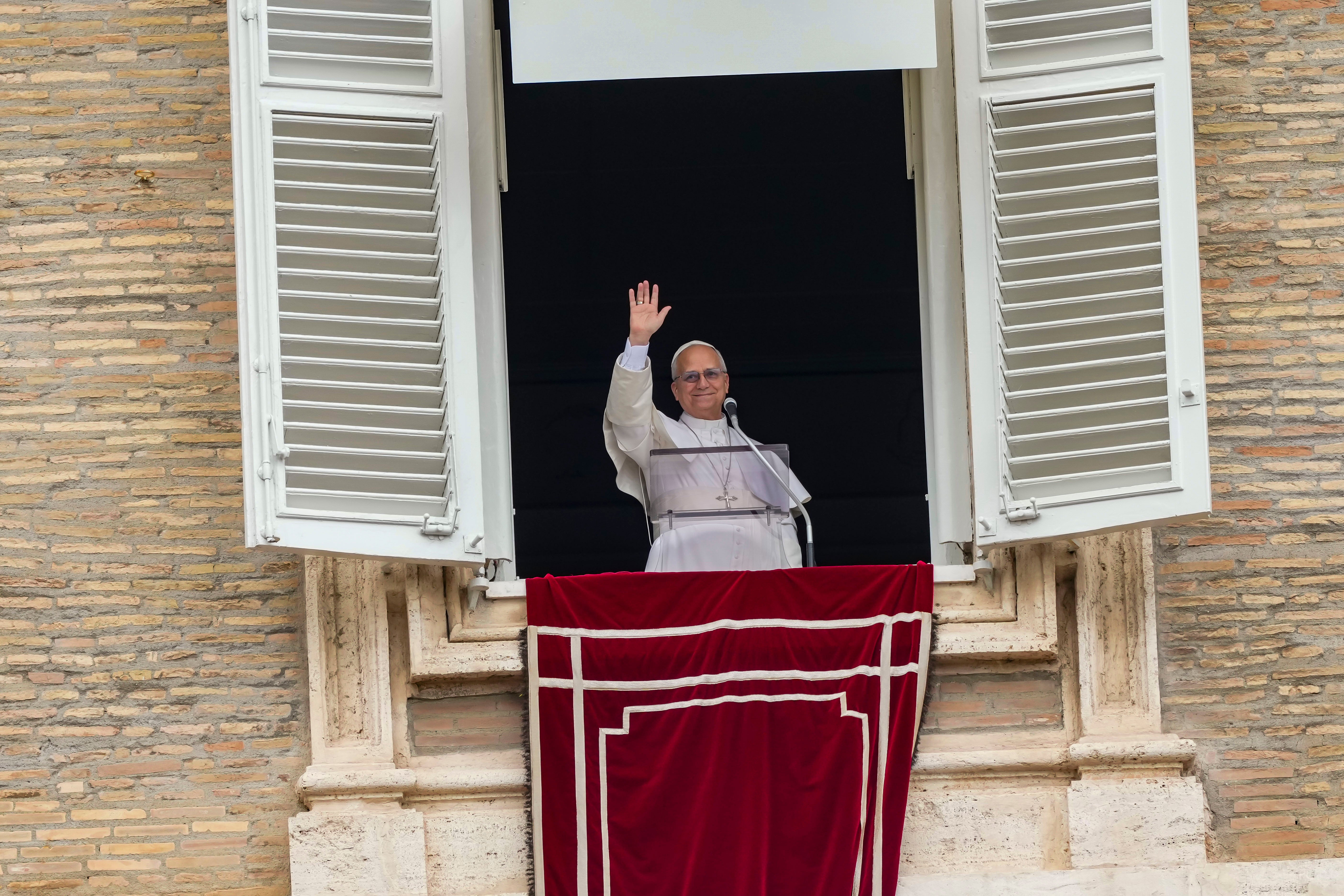 Pope Leo XIV appears at the window of his studio overlooking St. Peter's Square at the Vatican. (Copyright 2026 The Associated Press. All rights reserved)
independent.co.uk
Pope Leo XIV appears at the window of his studio overlooking St. Peter's Square at the Vatican. (Copyright 2026 The Associated Press. All rights reserved)
independent.co.uk
The Vatican has issued an 88-page guidance document saying Catholics may receive transplants of animal tissues and organs, provided procedures follow “best medical practices” and avoid cruelty to animals, according to The Independent. The text states there are no religious or ritual barriers to using “any animal as a source of organs, tissues or cells” for transplantation into humans, a position the Church first signalled in 2001.
The immediate practical context is organ scarcity: demand for kidneys, hearts and livers consistently exceeds supply, and waiting lists function as a rationing system where time itself becomes a clinical risk. Xenotransplantation—especially from genetically modified pigs—has been pursued as a way to create a scalable donor pool, but the science has advanced in uneven steps. The first pig-to-human kidney transplant cited in the report took place in the United States in 2024, yet such procedures remain rare and experimental.
The bottlenecks are biological and operational rather than philosophical. A transplanted organ is an immunological alarm bell; even with extensive gene edits to reduce rejection, recipients may need intensive immunosuppression, trading one life-threatening condition for another. Infection risk sits alongside rejection: animal organs can carry microorganisms unfamiliar to human immune systems, raising concerns about zoonotic spillover, especially in patients whose immune defences are deliberately dampened. The Vatican document explicitly instructs clinicians to disclose these risks, including the probability of immune rejection and infection from microorganisms.
What changes with a Vatican “yes” is less the laboratory protocol than the social permission structure around clinical trials. In countries with large Catholic populations—and in hospital systems where religious ethics committees influence policy—formal acceptance can reduce friction for recruitment, consent, and institutional sign-off. It also gives politicians and regulators a ready-made moral reference point when funding decisions and trial approvals become contentious.
The Church’s guidance does not solve the hard questions of oversight: how to audit animal welfare in donor herds, how to police biosecurity across supply chains, and who bears liability if a trial participant becomes a vector for a novel infection. But it does codify a boundary: for Catholic patients, refusal need not be framed as religious duty, and acceptance can be framed as ordinary medicine.
For now, the Vatican has endorsed a technology whose limiting factor is not doctrine but whether a genetically modified pig organ can survive long enough in a human body to count as treatment rather than experiment.