
Mexico still cannot account for violence after El Mencho death
CJNG succession triggers roadblocks and troop deaths across Jalisco and Michoacán, prosecutors fail to secure key crime scene
Images
 Loose ends remain after the downfall of El Mencho, the last great drug lord
english.elpais.com
Loose ends remain after the downfall of El Mencho, the last great drug lord
english.elpais.com
A month after Mexico announced the death of Nemesio Oseguera Cervantes, better known as “El Mencho,” basic questions about what happened next are still unanswered. El País reports that the Jalisco New Generation Cartel (CJNG) leader died from gunshot wounds aboard a military helicopter after a raid in the forests of Jalisco near a set of cabins where he had been staying.
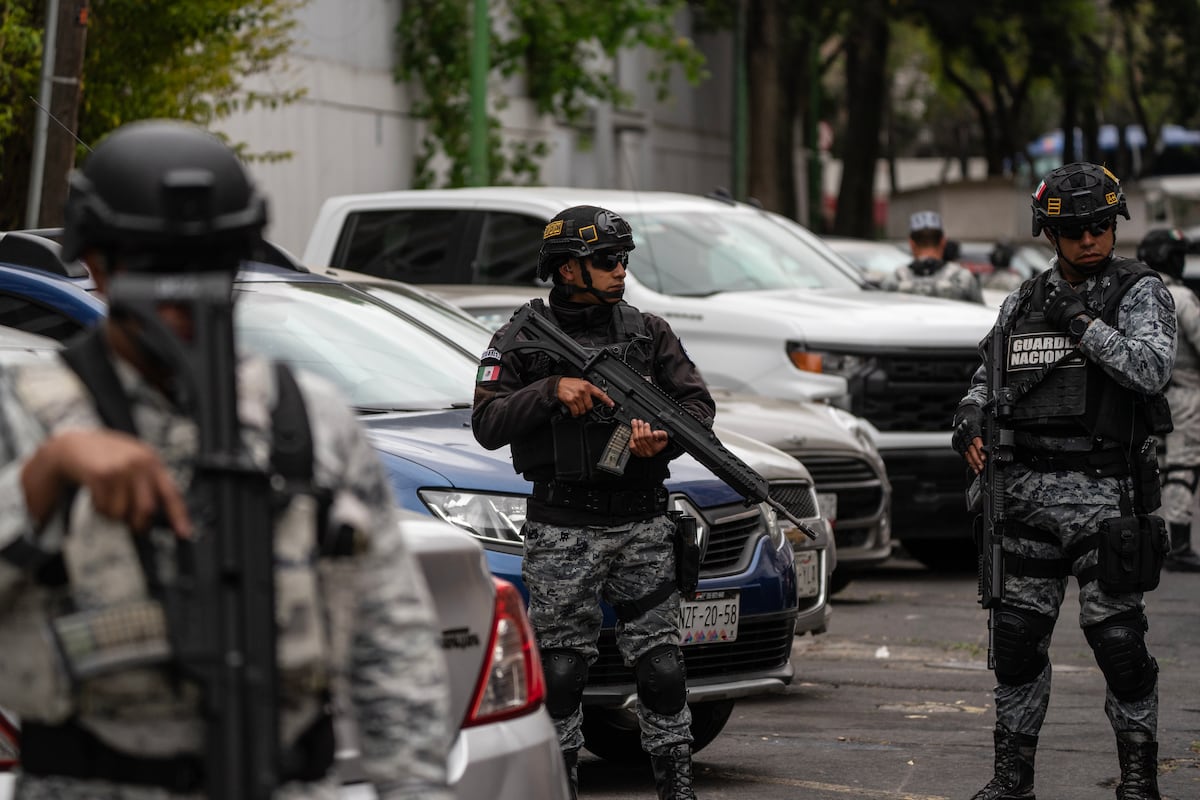
The immediate firefight left three military personnel and 11 cartel members dead, according to the official narrative cited by El País. But the day after the raid, violence spread across Jalisco and neighbouring Michoacán in what Mexicans have seen before: roadblocks, attacks on authorities, and a fast-moving cycle of retaliation that turns highways and towns into contested space.
Mexico’s federal security secretary, Omar García Harfuch, later gave a set of headline numbers for February 23: 25 National Guard troops killed, 35 alleged criminals killed, about 70 arrests, plus the death of a woman caught in crossfire. El País notes that these figures flatten the event into a scorecard without answering operational questions that determine whether the state is actually in control. Where, exactly, did 25 troops die? In what incidents, and under what command decisions? Where were the alleged cartel members killed, and how were those deaths documented?
The gaps widen at the scene of the raid itself. El País says the Attorney General’s Office failed to secure the cabins where the military located El Mencho, leaving “loose ends” in the chain of custody around what evidence was collected, by whom, and when. In a country where homicide investigations routinely collapse on missing documentation and compromised scenes, an unsecured site tied to the most consequential cartel leader in a generation is not a small procedural error—it is the mechanism by which narratives become untestable.
The succession question inside CJNG is now inseparable from the state’s own performance. El Mencho built a diversified criminal portfolio—drug production and trafficking, fuel theft, real-estate fraud and more—spread across virtually every Mexican state, El País reports. Removing a central figure does not remove those revenue streams; it changes who can credibly claim them, and how much violence is required to enforce new boundaries.
That is why the hours after a kingpin’s fall matter more than the press conference. Roadblocks and attacks are not just “revenge”; they are a demonstration that local coercive capacity remains intact, and that the organisation can impose costs on the state quickly. When the government responds with aggregated death counts but not a transparent account of incidents, it leaves room for internal blame-shifting and for cartel messaging to fill the void.
Mexico is also approaching the 2026 World Cup with host cities trying to project normality. El País describes a western Mexico “chess game” in which the new shape of organised crime is being negotiated in real time—on roads, in towns, and inside institutions that still struggle to secure a crime scene.
El Mencho’s death may have ended one man’s flight. It did not end the need for someone to guard the cabins.