
US senators move to ban sports betting on prediction markets
Kalshi and Polymarket use CFTC event contracts to bypass state licences, leagues partner with platforms as lawmakers call them illegal gambling
Images
 People gather during the opening of the Polymarket bar “The Situation Room” on March 20, 2026 in Washington, D.C.
nbcnews.com
People gather during the opening of the Polymarket bar “The Situation Room” on March 20, 2026 in Washington, D.C.
nbcnews.com
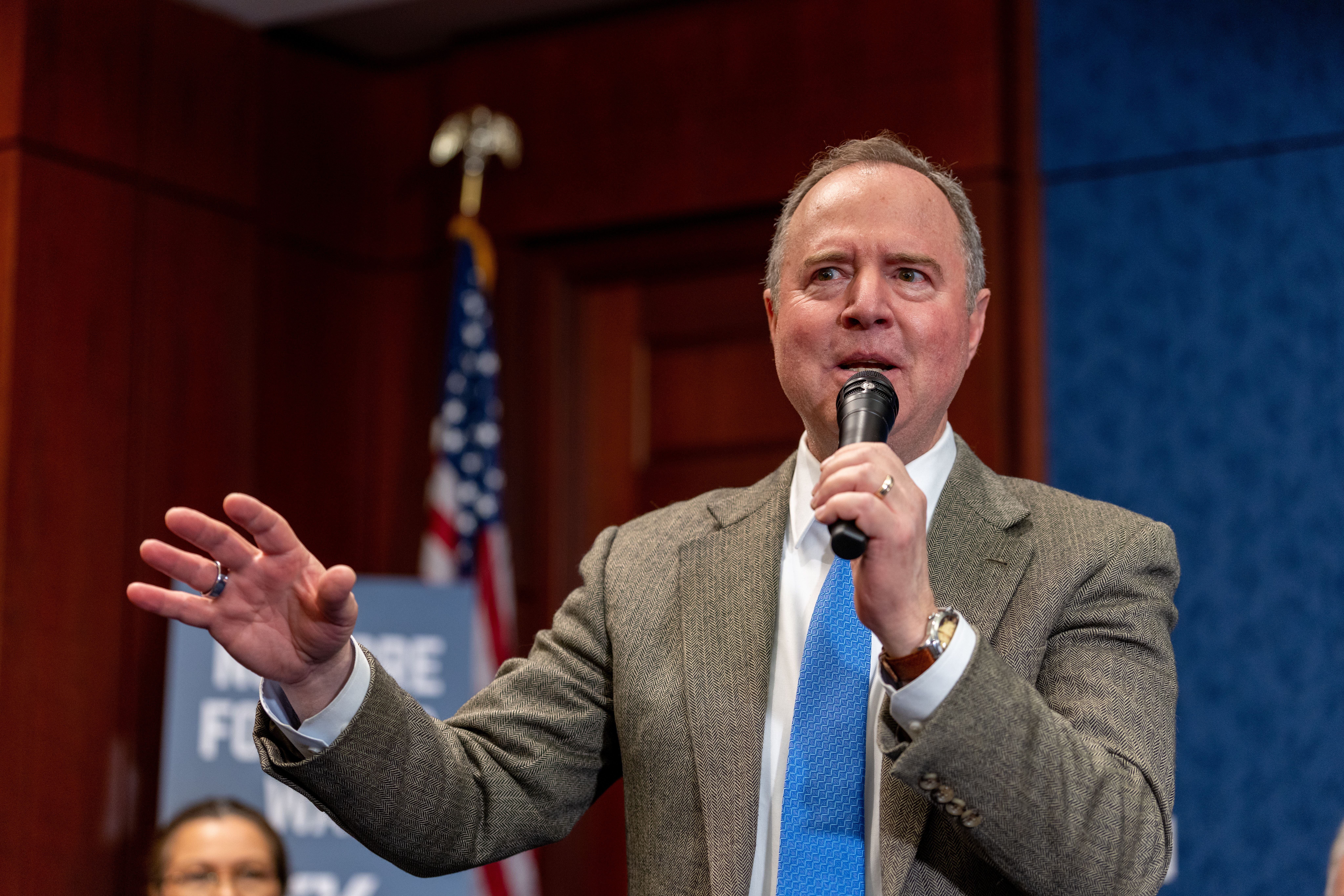 U.S. Sen. Adam Schiff (D-Calif.) introduced legislation to ban sports betting on prediction sites like Polymarket. (Getty)
Getty
U.S. Sen. Adam Schiff (D-Calif.) introduced legislation to ban sports betting on prediction sites like Polymarket. (Getty)
Getty
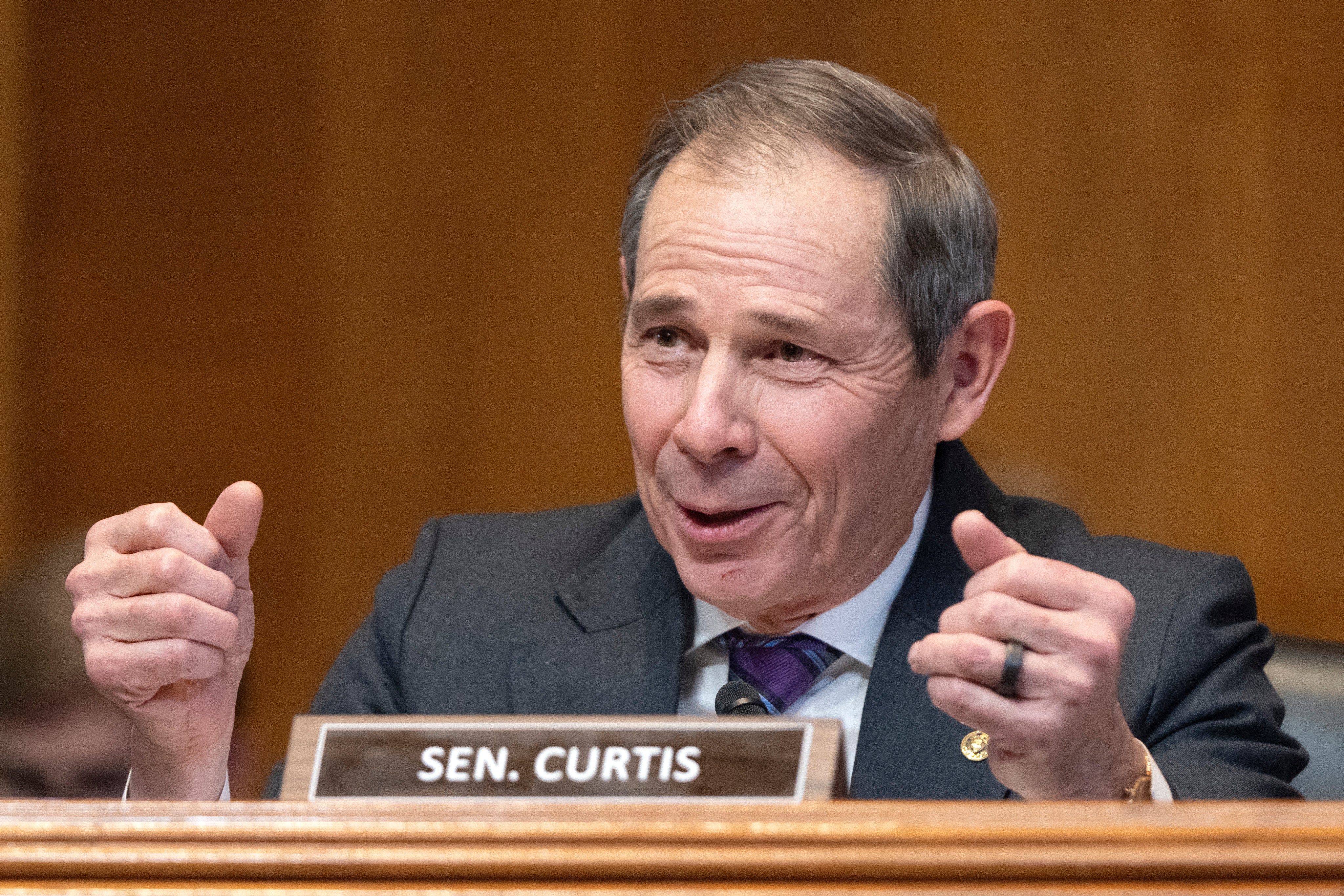 Sen. John Curtis (R-Utah) co-sponsored the legislation. (Copyright 2025 The Associated Press. All rights reserved.)
independent.co.uk
Sen. John Curtis (R-Utah) co-sponsored the legislation. (Copyright 2025 The Associated Press. All rights reserved.)
independent.co.uk
Senators introduce bill to ban sports betting on prediction markets, Kalshi and Polymarket rely on CFTC-regulated event contracts, state gambling monopolies collide with a new hedging venue
Two US senators introduced legislation on Monday that would bar prediction markets such as Kalshi and Polymarket from listing contracts tied to sports events, extending the ban to casino-style games like blackjack and slots. The proposal, backed by Democrat Adam Schiff of California and Republican John Curtis of Utah, targets platforms regulated by the Commodity Futures Trading Commission (CFTC) that have used the federal derivatives framework to offer yes-or-no “event contracts” nationwide, according to NBC News and The Independent.
The immediate dispute is jurisdiction. Traditional sports betting in the US is licensed and taxed at state level, with tribal compacts adding another layer of exclusivity. Prediction markets route around that architecture by framing wagers as commodity-style contracts traded on CFTC-supervised venues. Schiff argued, according to NBC News, that the CFTC is “green-lighting” and effectively promoting markets that states consider illegal gambling, while Curtis framed the bill as keeping “speculative financial products” out of spaces where state rules are meant to apply.
The numbers explain why the fight has escalated. NBC reports that prediction markets saw more than $1.2 billion in trading on this year’s Super Bowl Sunday, with weekly volume above $4.5 billion. The Wall Street Journal has reported that Kalshi is seeking a venture valuation in the tens of billions of dollars, and Polymarket is chasing a similar figure, NBC adds. For operators such as FanDuel and DraftKings—built around state licenses, compliance teams, and tax agreements—an unlicensed national competitor is not just a novelty but a direct substitute.
What makes the platforms harder to classify is that the same mechanism can be used for hedging, not only entertainment. A contract on whether a team wins a game looks like a bet; a contract on whether a policy decision happens can function like insurance for firms exposed to that decision. The Independent notes that Polymarket’s menus extend well beyond sports, including politics and geopolitical events; NBC points to controversy over contracts linked to war developments and high-level deaths. Once a venue can price an outcome, it can also concentrate information, attract insiders, and create incentives to seek advantage in opaque situations.
Regulators are already being asked to draw lines case by case. Nevada recently won a temporary restraining order limiting Kalshi contracts in the state, The Independent reports, while Arizona has filed criminal charges accusing related entities of operating without a gambling license. At the same time, major sports leagues have moved in the opposite direction: Major League Baseball announced a partnership with Polymarket and referenced cooperation with the CFTC on integrity issues, according to NBC, after earlier partnerships involving the NHL.
The bill would settle the question by removing sports and casino-style contracts from the CFTC-regulated category altogether. It would not end prediction markets as a product; it would force them to avoid the most liquid, mass-market categories that have helped them scale.
For now, the new market is still being treated as both a public-utility price signal and a regulatory loophole, depending on who is asked. On Monday, the Senate chose the loophole framing and wrote it into draft law.