
IEA warns Iran war energy shock outstrips 1970s oil crises
Oil above $100 as Hormuz risk shifts from supply to insurance and credit, governments reach for stockpiles while financing becomes the choke point
Images
 IEA: Global economy faces ‘major, major threat’ because of Iran war
euronews.com
IEA: Global economy faces ‘major, major threat’ because of Iran war
euronews.com
 Keir Starmer will chair the emergency meeting on Monday. Photograph: Tolga Akmen/EPA
theguardian.com
Keir Starmer will chair the emergency meeting on Monday. Photograph: Tolga Akmen/EPA
theguardian.com
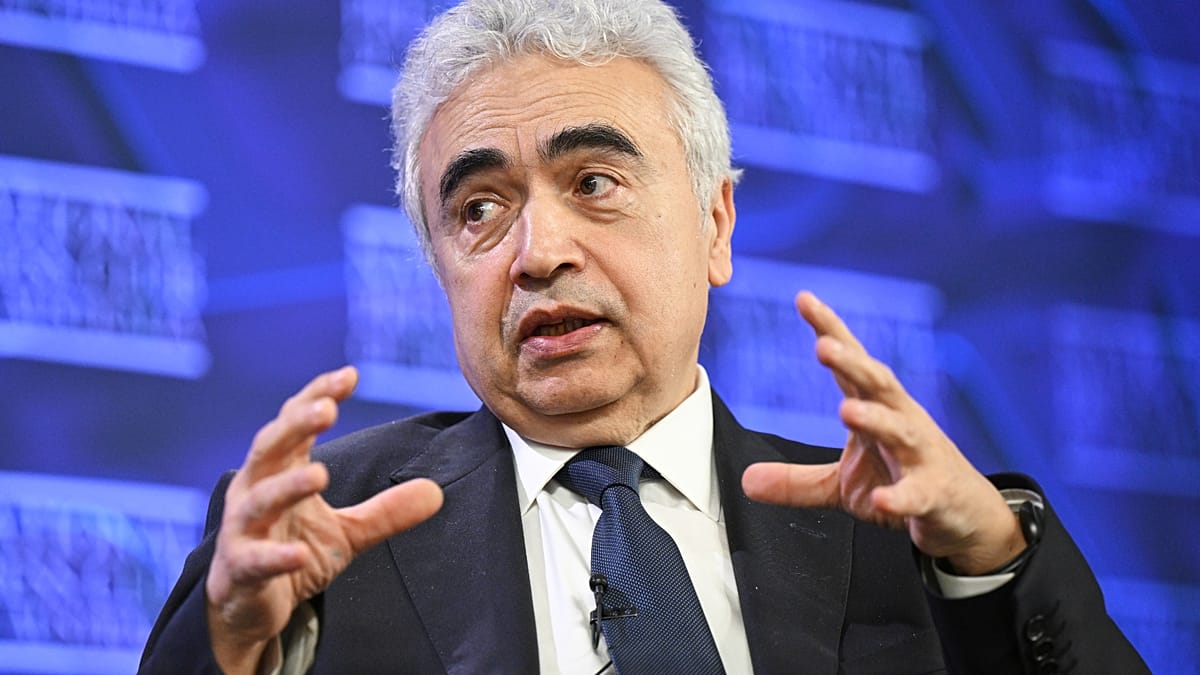
Fatih Birol told Australia’s National Press Club on Monday that the Iran war has become a “major, major threat” to the global economy, with more than 40 energy assets across nine countries “severely or very severely damaged,” according to Euronews citing AP. Oil prices rose again, with US WTI trading above $100 a barrel and Brent above $113, as Israel launched a new wave of strikes on Tehran and Iran warned it could hit power plants across the region.
Birol’s comparison to the 1970s oil shocks is designed to be understood as a story of scarcity: fewer barrels, higher prices. But the daily mechanics of modern energy trade are increasingly about whether cargoes can be financed, insured, and cleared at all. When a tanker route is judged “open only on paper,” the first constraint is often not the physical availability of crude or LNG but the willingness of insurers to write war-risk cover, banks to extend trade credit, and shipowners to accept charter terms that could strand a vessel or void coverage. Once those layers tighten, volumes can fall even when production capacity exists, because the transaction itself becomes unbankable.
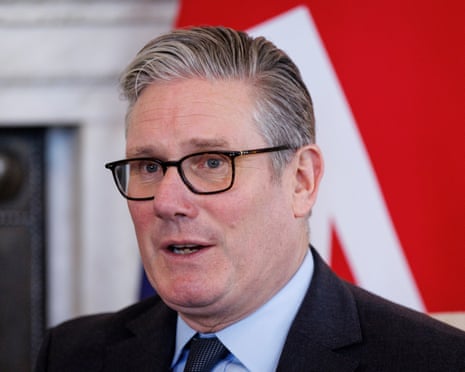
That is why governments reach quickly for measures that look like supply policy—strategic stock releases, tax cuts, or price-support schemes—while the pressure is building in the financial plumbing. In the UK, ministers have convened an emergency “Cobra” meeting on the economic fallout, with the chancellor and the Bank of England governor attending, the Guardian reports. The agenda includes “energy security” and “the resilience of industry and supply chains,” language that fits a world where shipping and insurance terms dictate which deliveries happen on time and which are delayed, rerouted, or cancelled.
The politics follow the cashflow. If the crisis is framed as a market failure, it becomes a justification for subsidies and tax relief that shift costs from energy bills to public budgets. If it is framed as a security emergency, it becomes a rationale for state-directed stockpiling and mandated continuity plans that can privilege large incumbents with compliance departments over smaller competitors. Either way, the price signal that would normally force demand reduction is softened—while the risk premium remains embedded in freight, credit spreads, and insurance.
Birol said the IEA is consulting member governments about releasing additional stockpiled oil “if it is necessary.” In the same news cycle, US President Donald Trump issued a 48-hour deadline for Tehran to open the Strait of Hormuz to all ships, threatening to “obliterate” Iran’s power plants if it does not, according to Euronews.
On Monday morning, the key question in energy markets was not how many barrels exist underground, but how many cargoes can still be moved with insurance attached and financing intact.