
Starmer calls Cobra meeting on Iran war cost shock
UK braces for energy and fuel price pass-through as Hormuz risk is priced by insurers, ministers dismiss missile alarm while bills do the talking
Images
 Consumers have been warned that energy prices could rocket (PA Archive)
PA Archive
Consumers have been warned that energy prices could rocket (PA Archive)
PA Archive
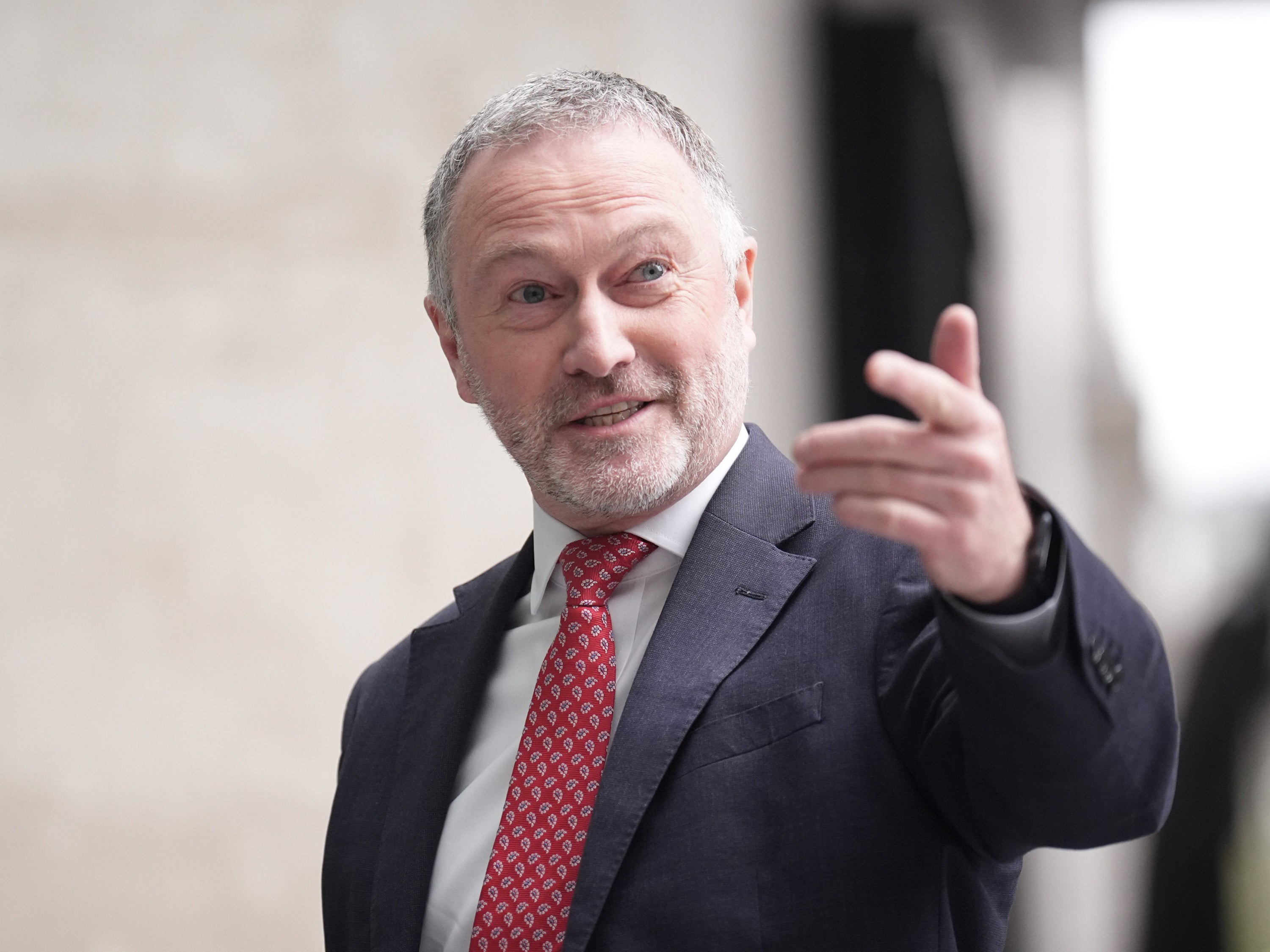 Steve Reed says there was is need to ration fuel (PA Wire)
PA Wire
Steve Reed says there was is need to ration fuel (PA Wire)
PA Wire
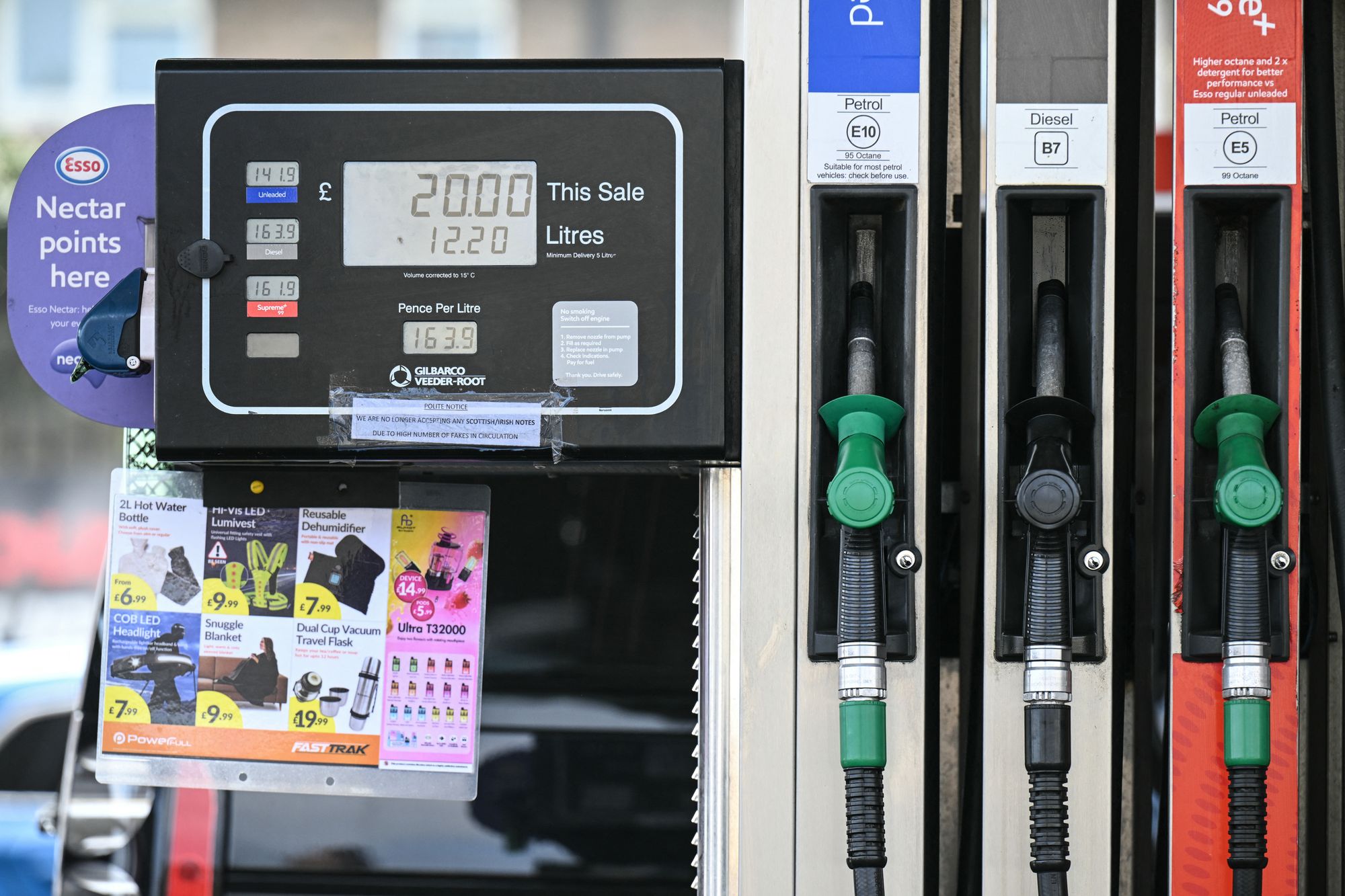 Keir Starmer has been urged to place a temporary profit cap on energy companies and petrol retailers by the government's cost of living tsar (AFP/Getty)
AFP/Getty
Keir Starmer has been urged to place a temporary profit cap on energy companies and petrol retailers by the government's cost of living tsar (AFP/Getty)
AFP/Getty
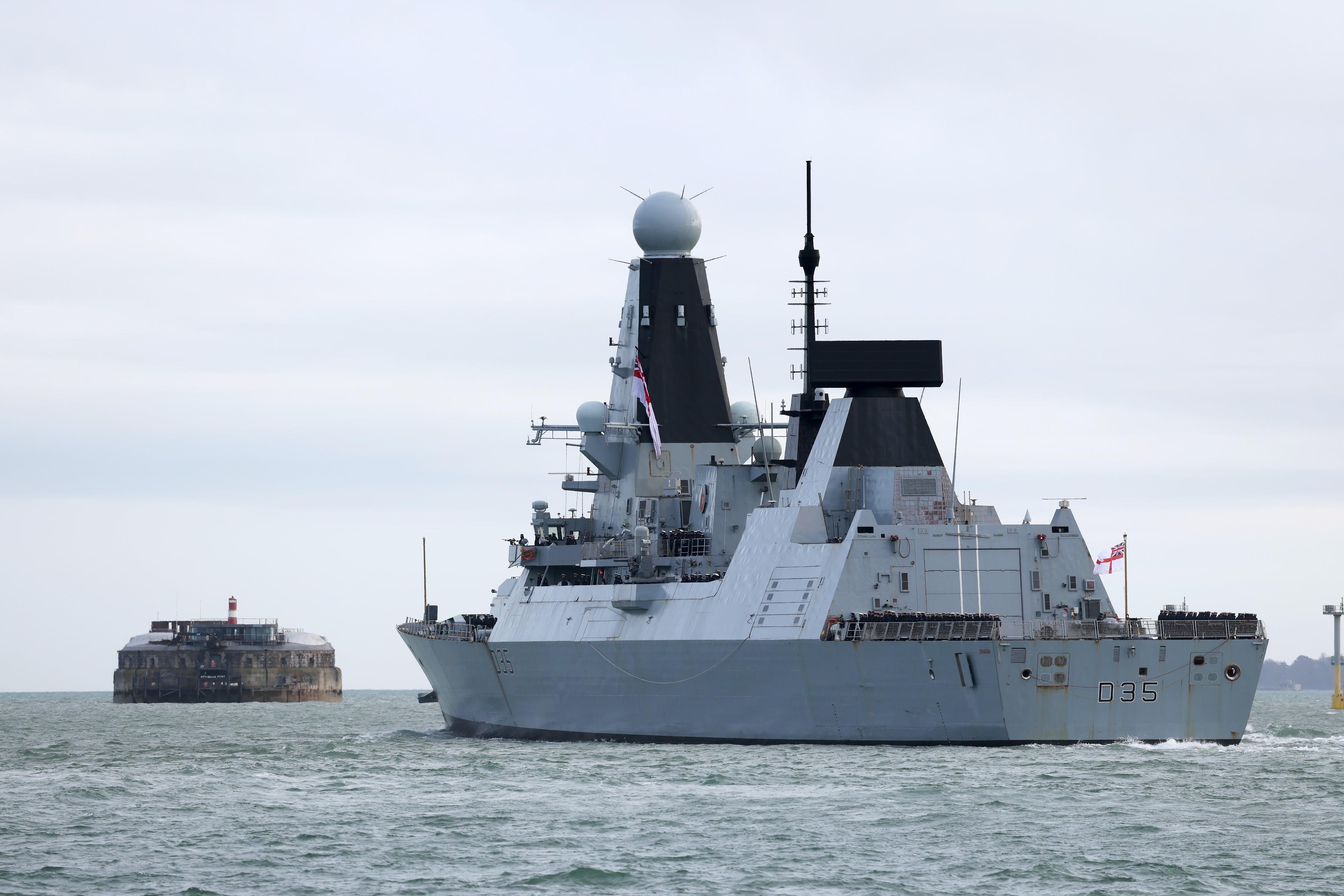 The UK has six Type 45 destroyers (UK MOD Crown copyright)
UK MOD Crown copyright
The UK has six Type 45 destroyers (UK MOD Crown copyright)
UK MOD Crown copyright
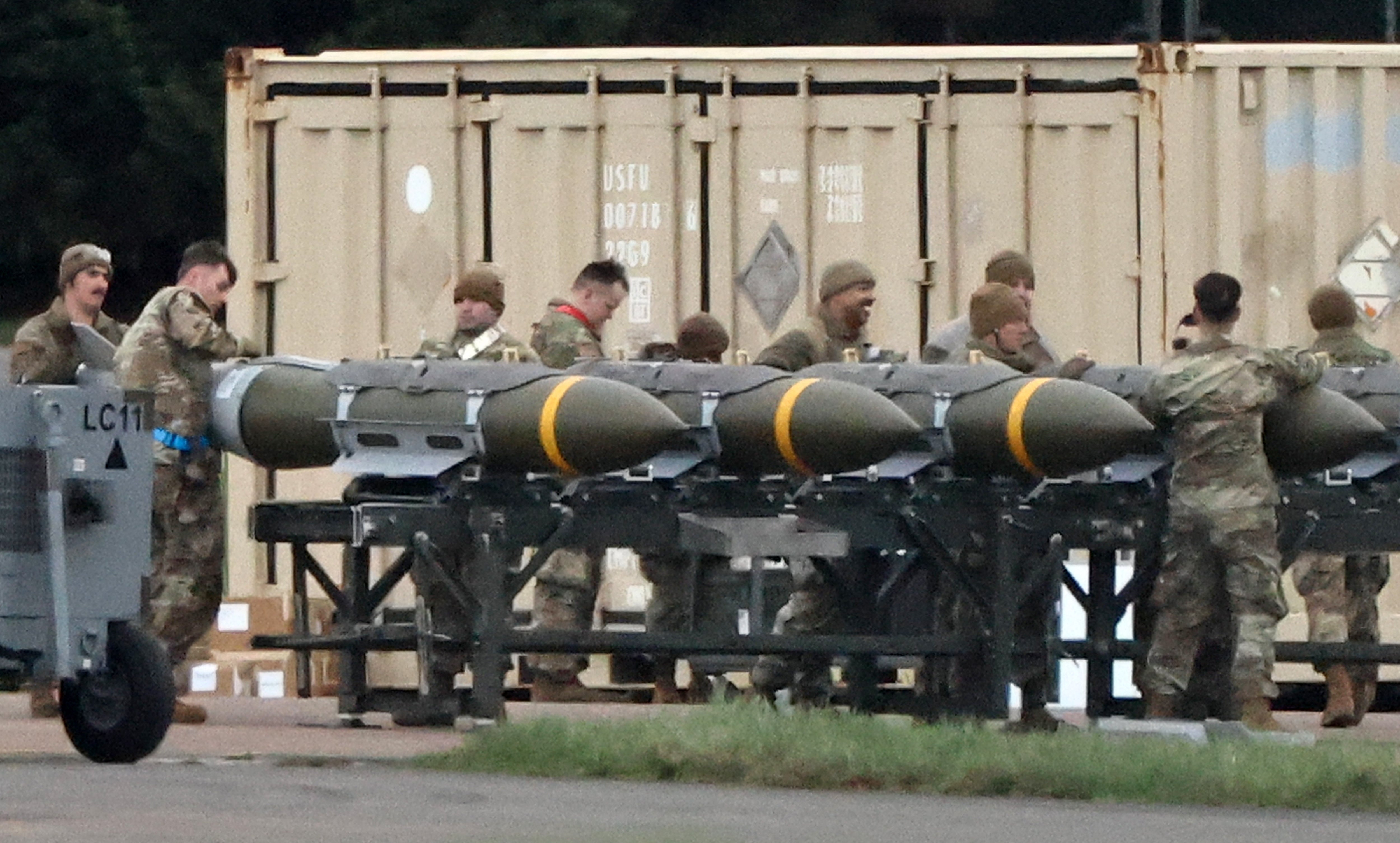 Britain could be unable to defend itself against an attack from Iran, experts have said (AFP/Getty)
AFP/Getty
Britain could be unable to defend itself against an attack from Iran, experts have said (AFP/Getty)
AFP/Getty
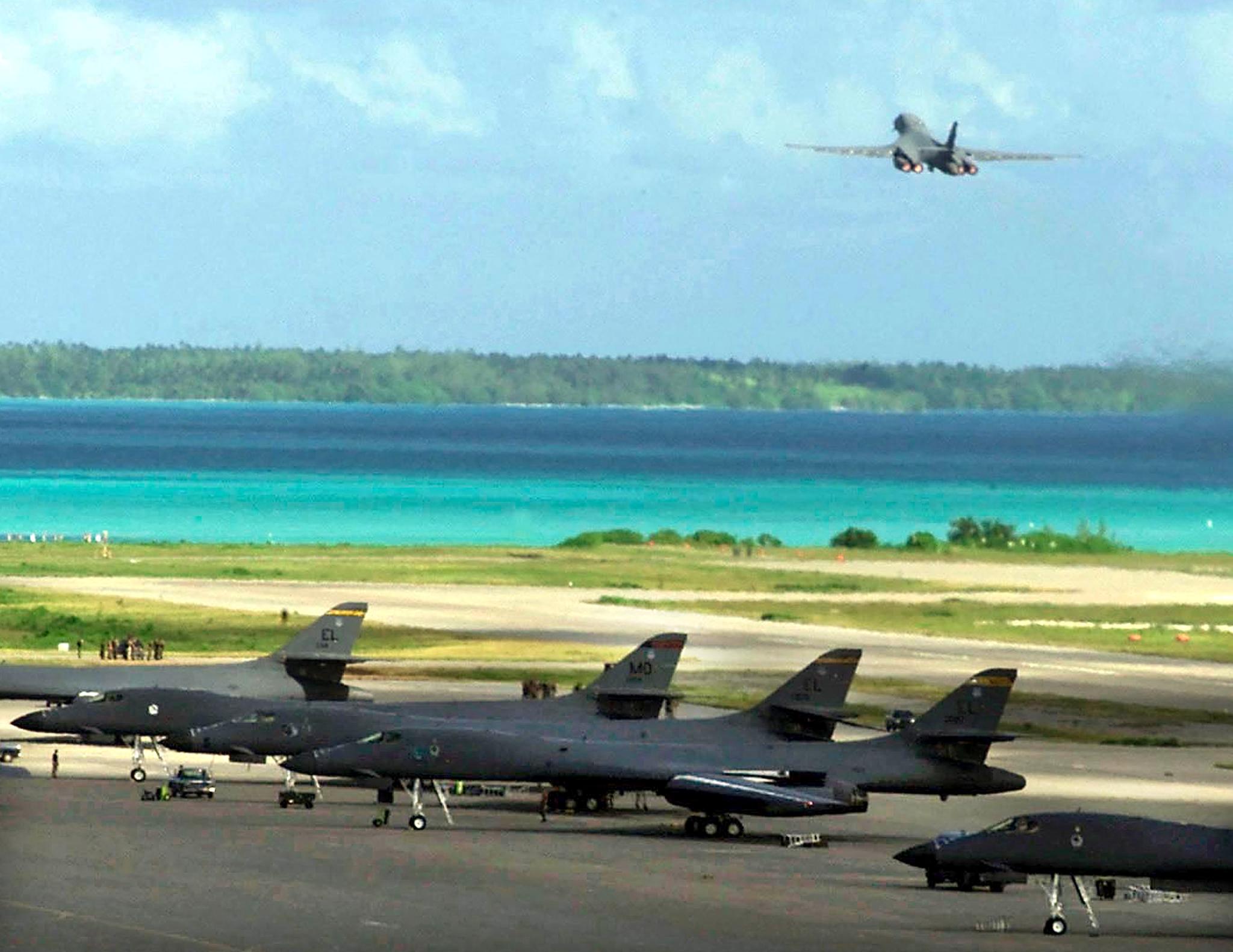 Diego Garcia was targeted by Iran this week (DOD/AFP via Getty Images)
DOD/AFP via Getty Images
Diego Garcia was targeted by Iran this week (DOD/AFP via Getty Images)
DOD/AFP via Getty Images
 The Ministry of Defence said has the resources available to defend Britain (PA Wire)
PA Wire
The Ministry of Defence said has the resources available to defend Britain (PA Wire)
PA Wire
Keir Starmer convenes an emergency Cobra meeting on Monday to discuss the impact of the Iran war on UK household bills, as energy and freight markets price in sustained disruption around the Strait of Hormuz. According to the Independent, the meeting will include senior ministers and the Bank of England governor, with the agenda spanning energy security, supply chains and possible support for families and businesses as the conflict enters its fourth week.
The proximate driver is not a formal blockade decree but a commercial one. With attacks and threats around Hormuz, shipping has continued only at sharply reduced levels, while insurers and shipowners reassess whether voyages are coverable at any price. That dynamic turns military signalling into a cost curve: each new strike, interception or threat adds a premium that eventually functions like a closure. UK ministers have tried to pre-empt panic-buying while leaving the door open to intervention if shortages emerge. Housing secretary Steve Reed told broadcasters there was “no need” for fuel rationing yet, while also saying the government was monitoring the situation “hour by hour”, the Independent reports.
Centrica chief executive Chris O’Shea said higher energy bills may be “inescapable” if the war persists, while arguing the immediate impact is likely to show up more at petrol pumps than in gas bills. At the same time, political pressure is building for the government to stop companies from using the crisis as cover for margin expansion. The Independent reports that Labour peer and “cost of living tsar” Lord Walker of Broxton has urged a temporary profit cap on energy companies and petrol retailers, framing it as a targeted check on “profiteering” rather than opposition to profit itself.
Alongside the price shock narrative sits a parallel argument about physical threat. A second Independent report quotes military analysts warning that the UK has limited capability to defend against ballistic missiles, even as ministers describe Israeli claims about Iran’s reach as exaggerated. Israel’s military has said Iranian missiles could threaten European capitals; Reed publicly pushed back, while the Ministry of Defence insisted the UK has the resources to keep the country safe. Experts cited by the Independent point to the UK’s reliance on a small number of Type 45 destroyers equipped with Sea Viper, and to Nato’s wider ballistic missile defence architecture as the backstop.
The two strands—consumer prices and missile ranges—meet in the same place: credibility. Governments can hold crisis meetings and issue reassurances, but the day-to-day constraint on households arrives via wholesale prices, insurance rates and logistics schedules. If fuel and electricity costs rise through spring, the most visible measure of “security” may be the receipt at a petrol station.
Starmer’s Cobra meeting is scheduled for Monday, while the Strait of Hormuz remains open in theory and rationed in practice.