
NHL reporter Jessi Pierce dies in Minnesota house fire
Three children and family dog also killed in White Bear Lake blaze, neighbour 911 calls precede official identification
Images
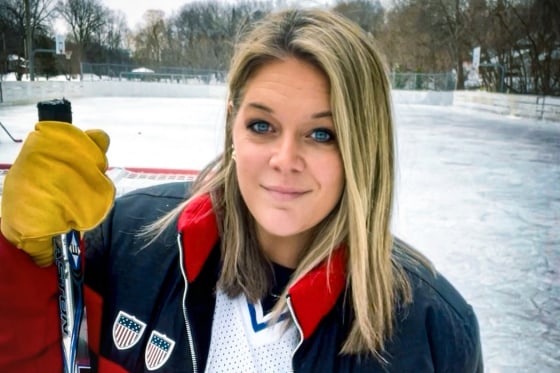 Jessi Pierce stands outside holding a hockey stick on an ice rink
nbcnews.com
Jessi Pierce stands outside holding a hockey stick on an ice rink
nbcnews.com
NHL reporter Jessi Pierce died in a house fire in White Bear Lake, Minnesota on Saturday along with her three young children and the family dog, according to NBC News. The White Bear Lake Fire Department said crews responded after neighbours called 911 to report flames coming through the roof, arriving to find a “fully involved structure fire.”
Pierce covered the Minnesota Wild and had been a contributor to NHL.com for a decade. The league confirmed her death in a statement posted on X, and the Wild described Pierce as “a kind, compassionate person” who cared deeply about her family.
House fires concentrate risk into minutes, and the mechanics are often brutally ordinary: an ignition source, oxygen, and time. Public messaging tends to linger on campaigns—seasonal reminders, slogans, checklists—but outcomes still hinge on whether smoke alarms work, whether batteries have been replaced, whether exits are usable, and whether the household has rehearsed what to do when visibility drops to near-zero.
In the US, most fatal residential fires occur at night, and the window between a manageable incident and an unsurvivable one can be shorter than the time it takes for emergency services to arrive. Modern furnishings and synthetic materials can accelerate heat release, producing toxic smoke faster than older interiors. The fire service can control spread once on scene; it cannot buy back the first few minutes.
Insurance, meanwhile, is structured around documentation after the fact. A claim requires an origin story—accidental, electrical, cooking-related—often before investigators can be definitive. Families want answers; insurers want classifications; fire departments release limited details early to avoid prejudging cause.
For colleagues, the loss is measured in routines. Michael Russo of The Athletic wrote that “a lot of tears were shed” at the arena during the Wild’s game on Saturday night, and that the press box “won’t be the same” without Pierce.
The fire department’s statement did not name the victims. The confirmations came instead through the league, the team, and Pierce’s professional circle—an inversion of the usual order that reflects how public identity now travels faster than official records.
A neighbour’s 911 call, a roof already burning, and a structure fully involved by the time crews arrived: those are the facts the investigation begins with.