
Chappell Roan apologises after fan child upset by hotel security encounter
Jorginho claims aggressive approach at São Paulo breakfast, celebrity intimacy sold as access while distance is enforced by contractors
Images
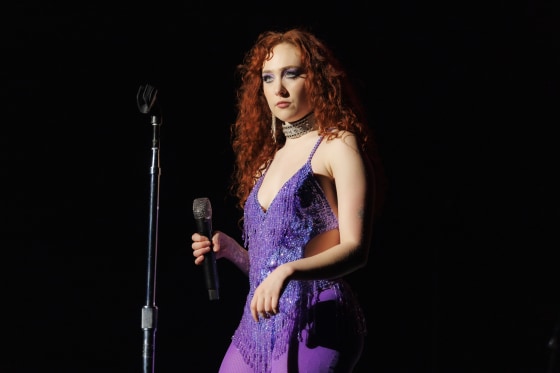 Chappell Roan
nbcnews.com
Chappell Roan
nbcnews.com
 Chappell Roan used Instagram on Sunday to offer her side of the story following accusations from the Flamengo footballer Jorginho. Composite: Guardian Picture Desk (via Getty)
via Getty
Chappell Roan used Instagram on Sunday to offer her side of the story following accusations from the Flamengo footballer Jorginho. Composite: Guardian Picture Desk (via Getty)
via Getty
An 11-year-old at a São Paulo hotel breakfast became the unlikely centre of a global celebrity dispute after Brazilian footballer Jorginho Frello accused Chappell Roan’s security of confronting his stepdaughter and leaving her “in tears” ahead of Lollapalooza. NBC News reports that Frello said the child merely walked past Roan’s table, smiled to confirm it was her, and returned to sit with her mother; he alleged a guard spoke “in an extremely aggressive manner” and threatened to file a complaint with the hotel.
Roan responded on Instagram saying she “didn’t even see a woman and a child” and that the guard involved was not her personal security. According to NBC, she said she did not ask anyone to approach the family, and apologised to the mother and child for the discomfort. The Guardian adds that the mayor of Rio de Janeiro, Eduardo Cavaliere, weighed in online by declaring Roan unwelcome at the city’s Todo Mundo no Rio festival while he remains mayor.
The incident is small in the physical world—a breakfast room, a glance, a raised voice—but it sits on top of a large commercial machine. Pop stardom sells intimacy: fans buy tickets, merchandise, and a sense of proximity to a person. The logistics of that intimacy are built to prevent actual contact, and the “no” is often delivered by outsourced staff whose job is to treat every approach as a potential threat. When something goes wrong, responsibility becomes a public negotiation: the celebrity distances themselves from the guard, the guard is rarely named, and the brand is repaired through a statement.
The same dynamic shows up in Roan’s earlier confrontation with paparazzi in Paris, cited by both NBC and the Guardian, where she filmed photographers back and asked them to stop following her. Roan has previously argued that admiration does not create an obligation to provide “energy, time, or attention” to strangers, a boundary that collides with an industry that monetises access and then spends heavily to control it.
For the family, the product failed: Harding, Frello said, took the child shopping and to dinner instead of attending Roan’s set, and the hand-drawn sign meant for the festival became a prop in an Instagram story. For Roan, the cost is reputational: a security interaction she says she neither saw nor ordered still became her headline.
At Lollapalooza, the barrier between performer and audience was not the stage. It was a hotel breakfast table and a security guard with discretion.