
EU weighs electricity tax cuts and subsidies
Iran war price shock pressures budgets not supply, tax relief keeps demand high when markets need rationing
Images
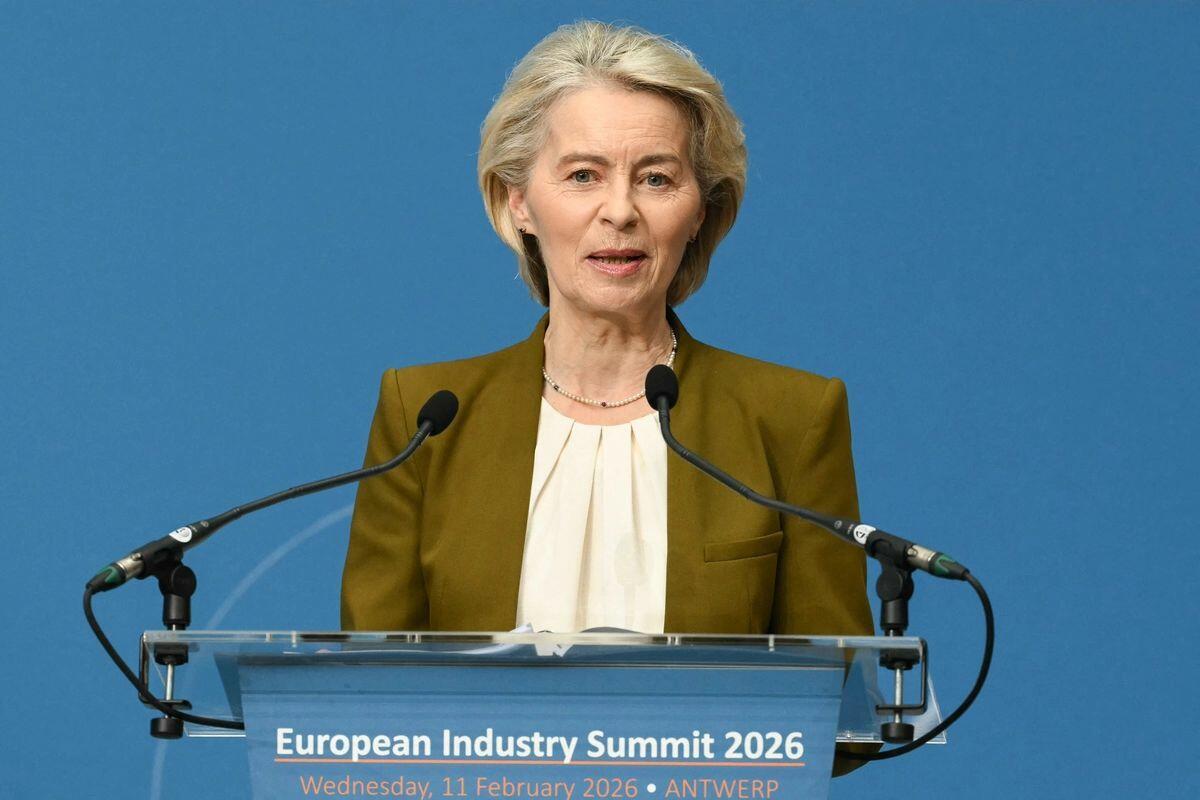 European Commission President Ursula von der Leyen delivers a speech during the European Industry Summit in Antwerp, Belgium, on Feb. 11, 2026. Nicolas Tucat/Getty Images
zerohedge.com
European Commission President Ursula von der Leyen delivers a speech during the European Industry Summit in Antwerp, Belgium, on Feb. 11, 2026. Nicolas Tucat/Getty Images
zerohedge.com
 Consumers have been warned that energy prices could rocket (PA Archive)
PA Archive
Consumers have been warned that energy prices could rocket (PA Archive)
PA Archive
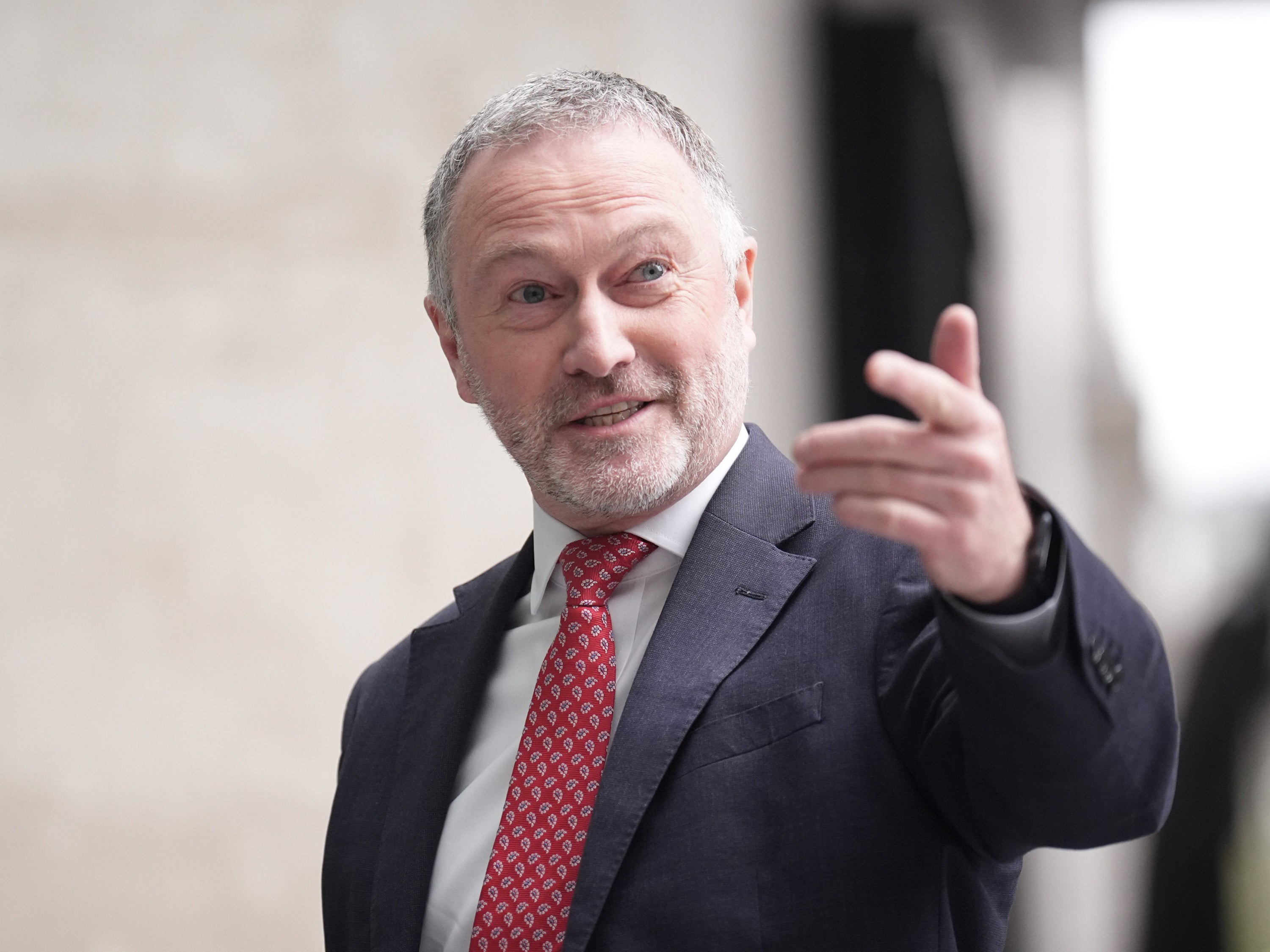 Steve Reed says there was is need to ration fuel (PA Wire)
PA Wire
Steve Reed says there was is need to ration fuel (PA Wire)
PA Wire
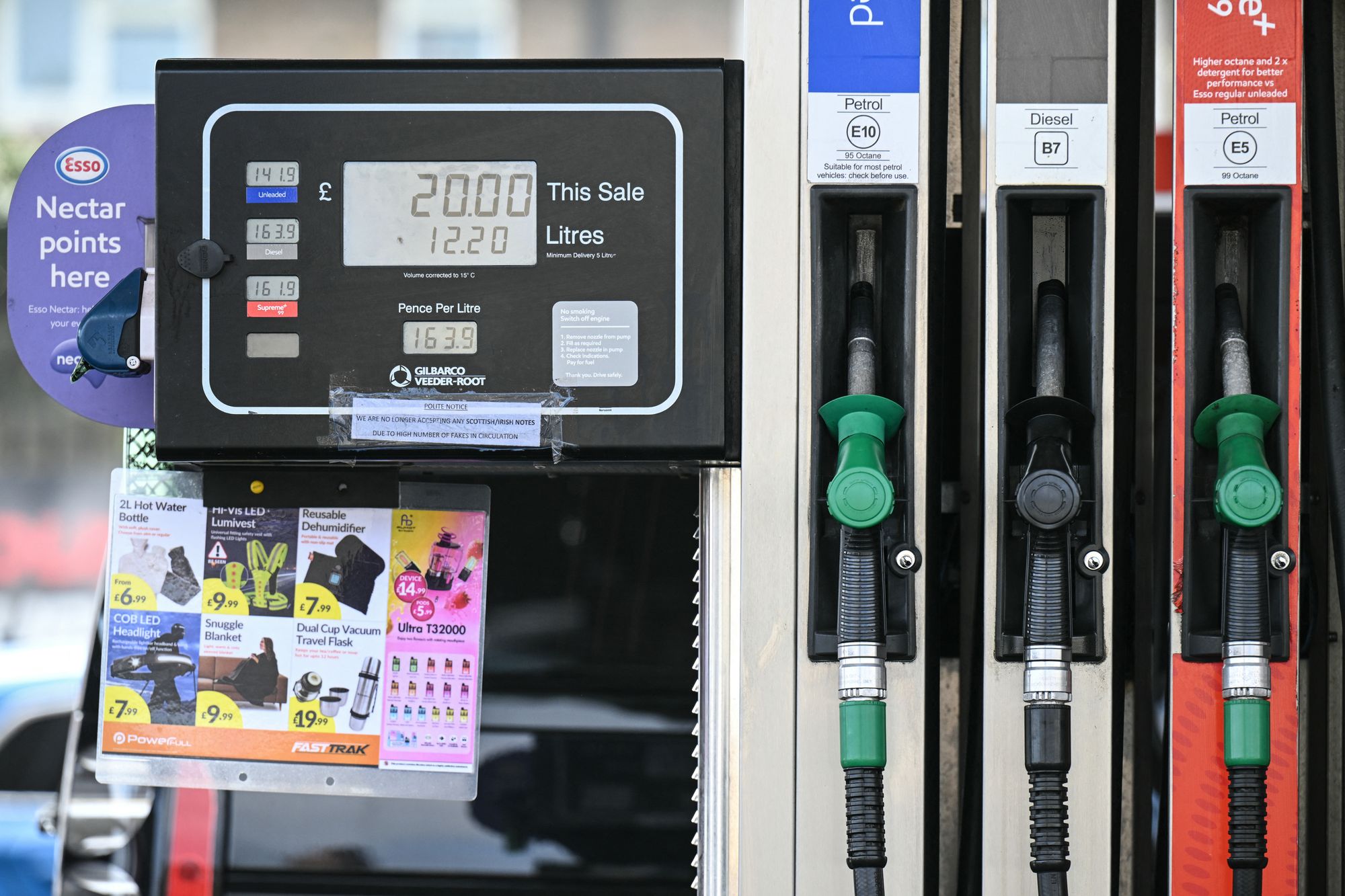 Keir Starmer has been urged to place a temporary profit cap on energy companies and petrol retailers by the government's cost of living tsar. (AFP/Getty)
AFP/Getty
Keir Starmer has been urged to place a temporary profit cap on energy companies and petrol retailers by the government's cost of living tsar. (AFP/Getty)
AFP/Getty
European Commission weighs electricity tax cuts and subsidies, energy shock from Iran war pushes costs from bills to budgets, price signals weaken as demand needs rationing
The European Commission is preparing proposals to cut electricity taxes and widen targeted subsidies as the Iran war drives up European energy costs, according to ZeroHedge citing comments by Commission President Ursula von der Leyen after a European Council meeting in Brussels.
Von der Leyen said electricity prices in the EU are shaped by four main components: the underlying energy cost, grid charges, carbon pricing under the Emissions Trading System, and taxes and levies. Taxes and levies average about 15% of household electricity bills, she said, and the Commission wants to mandate lower tax rates on electricity so it is taxed less than fossil fuels. In some member states, she argued, electricity is taxed far more heavily than gas.
The timing matters because the current shock is not, by the Commission’s own account, a physical shortage. Von der Leyen said the immediate impact of the conflict on Europe is higher prices rather than disrupted supply, pointing to diversified gas sourcing. Council figures cited in the report put Norway at about 31% of EU gas imports in 2025, the United States at 25%, Russia at 13%, and North Africa at 13%. Bruegel estimates the EU imported more than 140 billion cubic metres of LNG last year, with the United States supplying nearly 58%.
That distinction—price shock without immediate scarcity—turns policy into a test of whether governments allow prices to do their job. When taxes are cut and consumption is subsidised, the bill does not disappear; it migrates. Households see relief on the meter, while the state absorbs the gap through lower tax revenue or higher spending. The practical result is that demand stays higher for longer, exactly when the system is trying to ration limited marginal supply through price.
Eurostat data cited in the same piece show why tax changes are politically tempting. In the first half of 2025, average EU household electricity prices were about 28.7 euros per 100 kWh, roughly flat versus late 2024, but the tax-and-levy share rose from 24.7% to 27.6% as pre-tax prices slipped and governments leaned more on the bill as a revenue base. National outcomes vary sharply: Germany was at 38.35 euros per 100 kWh, while Hungary, Malta and Bulgaria were among the lowest.
Von der Leyen also flagged grid charges—around 18% of prices on average—as another target for reform, including legal changes to improve infrastructure efficiency and potentially reduce charges for heavy industry. She said the Commission is reviewing the ETS as well, acknowledging that permit-price volatility has become a concern for manufacturers even as the system has pushed investment toward non-fossil generation.
The policy mix now being discussed—lower electricity taxes, more state aid, and ETS tweaks—would shift Europe’s energy shock management further toward fiscal engineering. The Independent reports that in Britain, ministers are already publicly preparing for possible fuel and food disruptions, while the head of Centrica warned that higher energy prices may be “inescapable” if the conflict persists.
In Brussels the Commission is arguing that electricity should be taxed less than gas. In several member states, the tax share of the electricity bill has been rising even when the underlying power price has not.