
Copenhagen vintage shops move into luxury retail
Euronews it-girl guide maps five curated stores from Illum to Amagertorv, second-hand becomes premium when scarcity is merchandised
Images
 The 5 best vintage shops in Copenhagen, according to It-Girls
euronews.com
The 5 best vintage shops in Copenhagen, according to It-Girls
euronews.com
Euronews this week published a list of five Copenhagen vintage shops “according to it-girls”, placing second-hand fashion in the same register as luxury retail. The guide highlights destinations inside prime commercial real estate—such as The Vintage Bar in the Illum department store—alongside boutiques framed as “fashion galleries”, and presents the city’s pre-loved market as both a style credential and a moral choice.
That framing is doing more than selling dresses. Vintage used to mean rummaging, price sensitivity and imperfect supply; “curated” vintage is closer to a branded selection process with scarcity, signalling and a premium attached. When a shop is described as an “archive” source for denim, leather and one-of-a-kind pieces, the underlying promise is not thrift but differentiation: you are buying something that other people can’t easily copy, and you are buying it in a space that flatters the buyer.
Copenhagen is particularly fertile ground for this transformation because the city’s street-style reputation already functions as an export product. A guide that names hotspots—Rømersgade, Amagertorv, Købmagergade, Krystalgade—turns second-hand shopping into a mapped itinerary, the way restaurant lists turn meals into check-ins. Once “vintage rivals luxury”, the customer is no longer comparing prices to fast fashion but to new designer goods, and the seller can price accordingly.
The result is a market where “sustainability” and “individuality” can coexist with higher margins. A piece sold as timeless Scandinavian minimalism or as a collector’s item is not competing on utility; it is competing on narrative. That narrative also shifts who gets access. When vintage is presented as a conscious choice rather than a budget constraint, the shop’s selection, location and presentation start filtering out the bargain-hunter in favor of the buyer who can pay for the story.
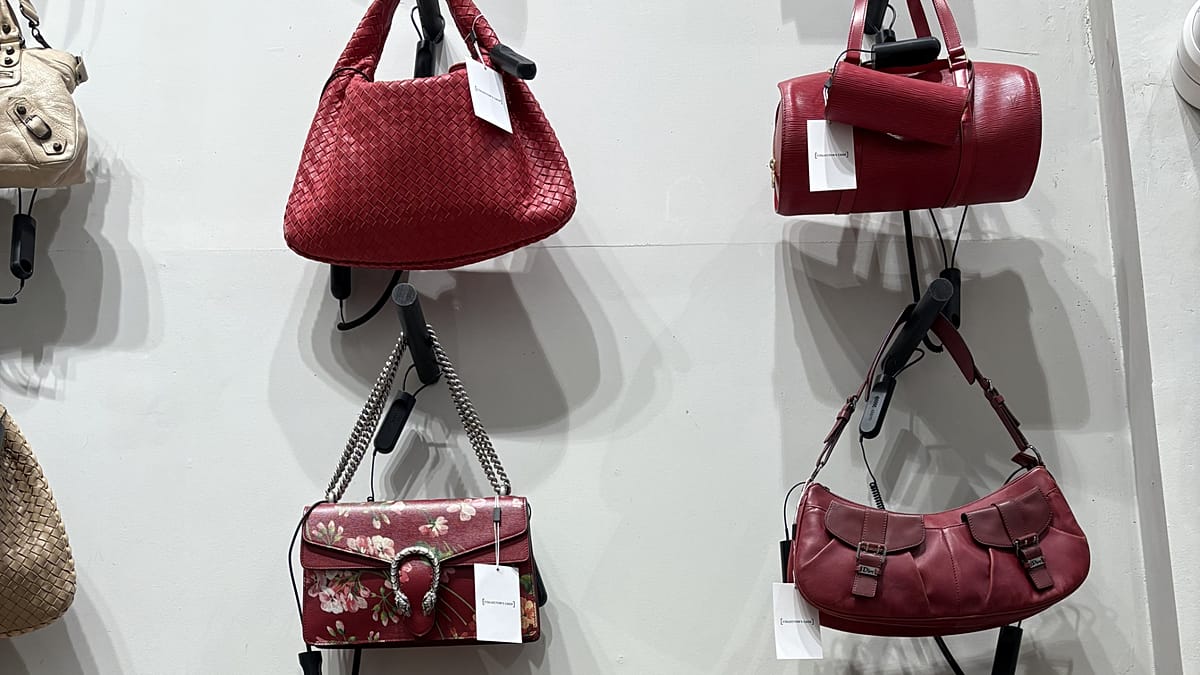
Even the language in the Euronews guide points to the new hierarchy. The Vintage Bar is “proof that luxury can have a second life”; Collector’s Cage caters to those who treat style as collecting; Décor Vintage is pitched as fearless self-expression. None of those pitches are about saving money. They are about taste, identity and membership in a scene.
That has second-order effects on the broader second-hand ecosystem. As curated stores pull the best items into premium channels, the remaining supply in charity shops and informal markets can become thinner and less predictable. Meanwhile, rising demand for “unique” pieces encourages professional sourcing—resellers, pickers, and cross-border buying—that treats thrift inventory as raw material.
Euronews ends by saying Copenhagen proves “style doesn’t need to be new to feel relevant”. The shop addresses and department-store placement suggest something else as well: in Copenhagen, second-hand can be new money with an old label.