
Reuters Banksy identification revives anonymity debate
Art-market prices rely on controlled mystery, newsrooms monetise the unmasking cycle
Images
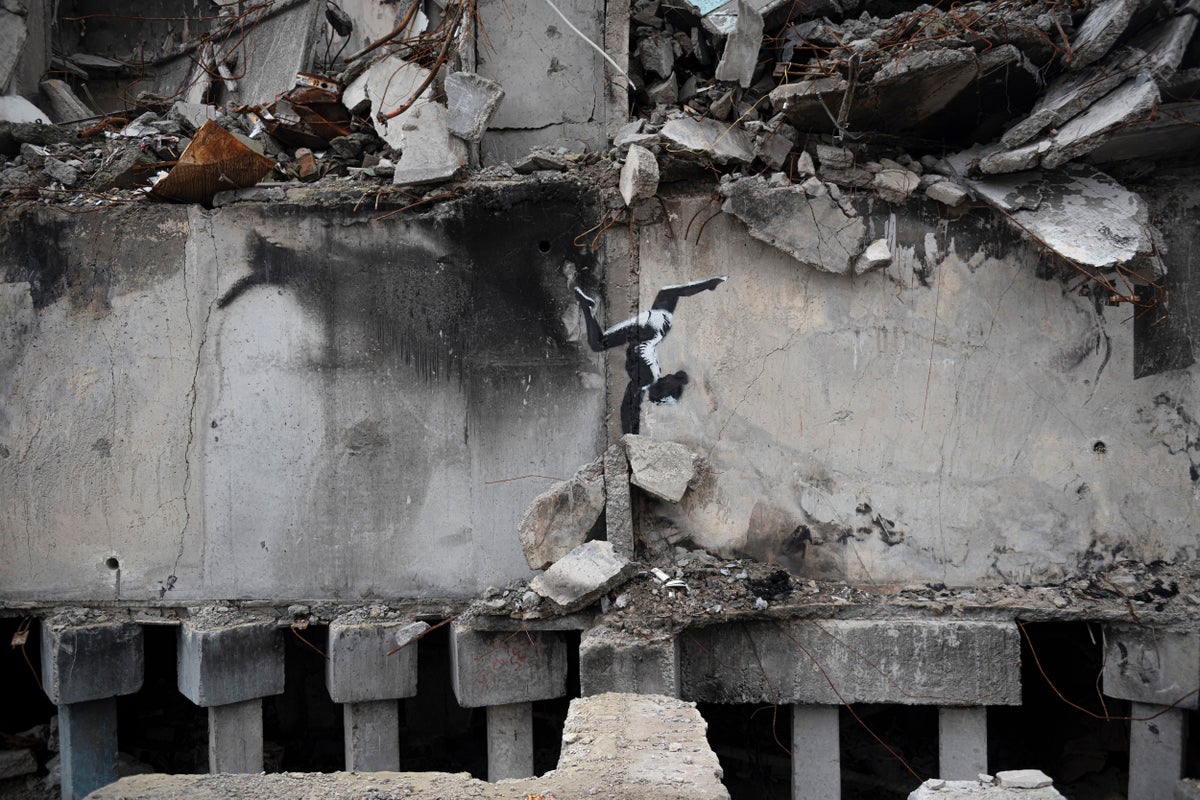 The media may have unmasked Banksy — again. That's angered some art fans but not ruffled dealers
independent.co.uk
The media may have unmasked Banksy — again. That's angered some art fans but not ruffled dealers
independent.co.uk
Reuters reporting that it had identified Banksy as a man using the name David Jones has reignited a familiar argument: whether naming the artist destroys the point of the work. The Independent notes that the “unmasking” prompted backlash from fans, while dealers largely shrugged.
The reaction is a reminder that Banksy’s anonymity is not a romantic footnote but part of the product. Street art is cheap to make and hard to own; scarcity has to be manufactured somewhere else. In Banksy’s case it is manufactured through controlled access (where and when works appear), controlled authentication, and a persona that turns each new stencil into a global news event. The artist’s most famous auction stunt—self-shredding a work as it sold—did not erase value so much as convert it into a story with a price tag.
Newsrooms have their own incentives. A name is a clean, clickable hook, and a “mystery solved” frame travels well across media that competes on attention rather than subscription renewals. The Independent points out that the name has been an open secret for years, appearing in earlier reporting including a 2008 Daily Mail story and in coverage by other outlets. That is precisely why a fresh round of identification can still pay: the marginal reader is new, and the algorithm does not care that the argument is old.
The art market’s incentives run in the opposite direction. Dealers quoted by the Independent argue that buyers “don’t care” who Banksy is, because they “absolutely love” the work. That may be true for a slice of collectors, but the broader market depends on a myth that can be reproduced at scale without being fully pinned down. A legend is easier to license than a person; it also keeps the supply of “official” narrative limited, which supports price discipline.
There is a further asymmetry. Public authorities have historically treated anonymous street artists as vandals. Yet Banksy’s work, the Independent notes, is often removed and preserved rather than prosecuted, including a stencil taken from the Royal Courts of Justice. The same act—spray paint on a wall—moves from crime to cultural asset once a market agrees to recognise it.
Banksy’s brand was built to survive exposure: the work is already globally distributed, the identity has circulated for years, and the controversy itself generates fresh attention. What changes is who controls the story.
The artist’s spokeswoman declined to engage with the Independent’s reporting. Dealers, meanwhile, continued selling.