
Trump issues 48-hour ultimatum on Strait of Hormuz
Threat to hit Iran power grid turns shipping insurance into de facto blockade enforcement, markets price risk faster than navies clear it
Images
 On Saturday, President Donald Trump issued a 48-hour ultimatum to Iran, demanding it reopen the Strait of Hormuz or risk the 'obliteration' of its power infrastructure (Getty Images)
Getty Images
On Saturday, President Donald Trump issued a 48-hour ultimatum to Iran, demanding it reopen the Strait of Hormuz or risk the 'obliteration' of its power infrastructure (Getty Images)
Getty Images
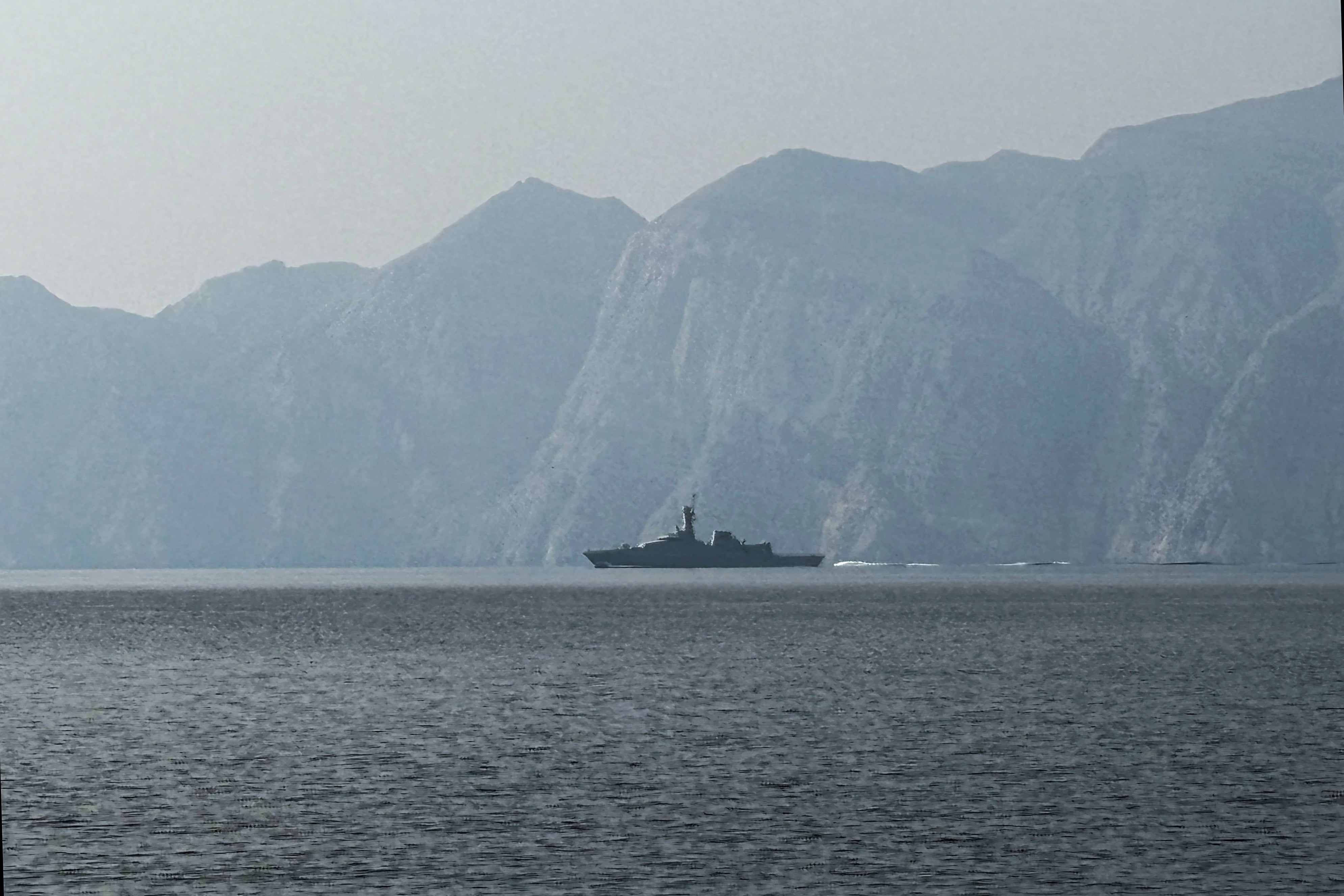 Traffic through the Strait of Hormuz, a vital artery of global trade, has all but ground to a halt, leading fuel costs to skyrocket (AFP/Getty)
AFP/Getty
Traffic through the Strait of Hormuz, a vital artery of global trade, has all but ground to a halt, leading fuel costs to skyrocket (AFP/Getty)
AFP/Getty
 Middle East crisis live: Trump gives Iran 48-hour ultimatum to open strait of Hormuz; about 100 injured in Israel
theguardian.com
Middle East crisis live: Trump gives Iran 48-hour ultimatum to open strait of Hormuz; about 100 injured in Israel
theguardian.com
Donald Trump on Saturday gave Iran 48 hours to “fully” reopen the Strait of Hormuz, threatening to “obliterate” Iran’s power plants if shipping does not resume, according to The Independent. Iran’s military, according to Iranian state media cited by The Guardian, warned it would retaliate by targeting US “energy, information technology and desalination infrastructure” across the region.
The threat lands on a choke point that is already being priced as partially closed. The Strait of Hormuz normally carries roughly a fifth of the world’s oil, and traffic has “all but ground to a halt” since Iran’s de facto blockade began, The Independent reports. The immediate economic lever is not the text of an ultimatum but the cost of moving physical cargo: war-risk insurance, freight rates, and the availability of ships and crews willing to sail. When insurers refuse cover, or price it at levels that make a voyage uneconomic, the strait is closed in practice even if no ship is sunk.
That is why escalation threats aimed at electricity grids matter beyond symbolism. Knocking out power generation is a way to impose domestic costs quickly, but it also invites symmetrical targeting of the infrastructure that keeps Gulf states functioning—desalination plants, ports, fuel depots, and the IT systems that run them. The Guardian’s live coverage notes that a projectile struck near a bulk carrier off the UAE coast, causing an explosion, underscoring how easily commercial shipping becomes the transmission belt between battlefield actions and global price spikes.
For Washington, the political problem is that market actors do not wait for “mission accomplished” briefings. Oil has repeatedly traded above $100 a barrel in recent weeks, The Independent reports, with diesel prices in the US rising past $5 a gallon—costs that flow into food, construction, and logistics. The more unpredictable the conflict, the more capital is tied up in margins and contingencies: higher bunker fuel costs, longer routes, and larger inventory buffers. Those costs are borne by consumers and firms long before Congress votes on any supplemental.
Trump has simultaneously complained that Nato allies have not helped secure the waterway, while also insisting the strait is “of little strategic importance” to the US, according to The Independent. But the strait’s importance is precisely that it is a pricing node: even limited disruption forces governments to choose between paying higher energy bills at home or expanding military commitments abroad.
The ultimatum sets a clock, but the real deadline is the next insurance renewal and the next shipper’s decision to reroute. By Sunday, a bulk carrier off the UAE had already become part of the calculation.