
Cuba suffers third nationwide blackout in March
Aging thermal plants and fuel shortages push grid into rolling rationing, US oil pressure collides with maintenance debt that cannot be priced
Images
 newsweek.com
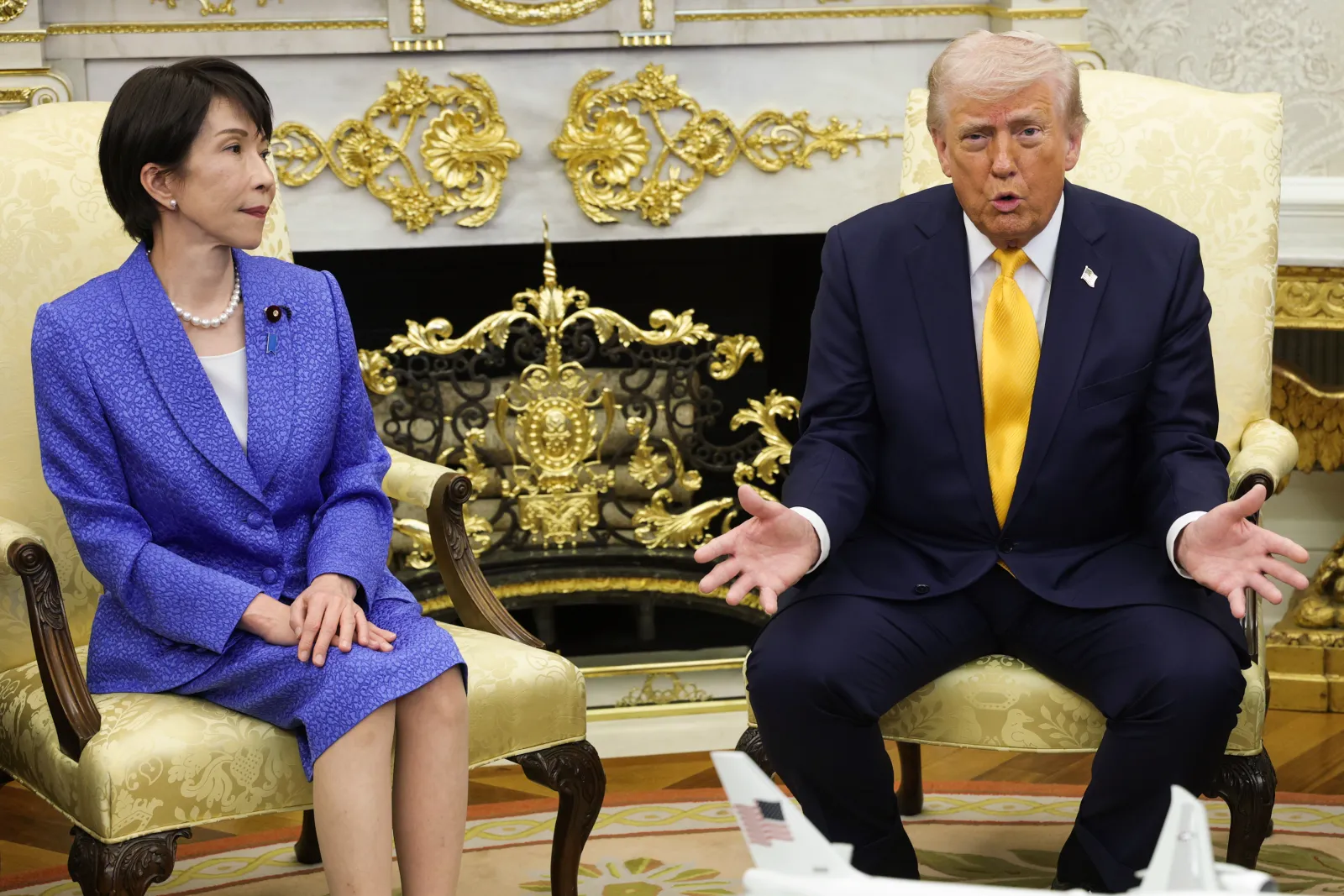 What Trump’s World War II Mindset Reveals About His Iran Policy
newsweek.com
What Trump’s World War II Mindset Reveals About His Iran Policy
newsweek.com
 Donald Trump Reacts to Former FBI Director Robert Mueller’s Death: ‘Good’
newsweek.com
Donald Trump Reacts to Former FBI Director Robert Mueller’s Death: ‘Good’
newsweek.com
 Trump Says ICE to Run Airport Security If No TSA Deal Reached
newsweek.com
Trump Says ICE to Run Airport Security If No TSA Deal Reached
newsweek.com
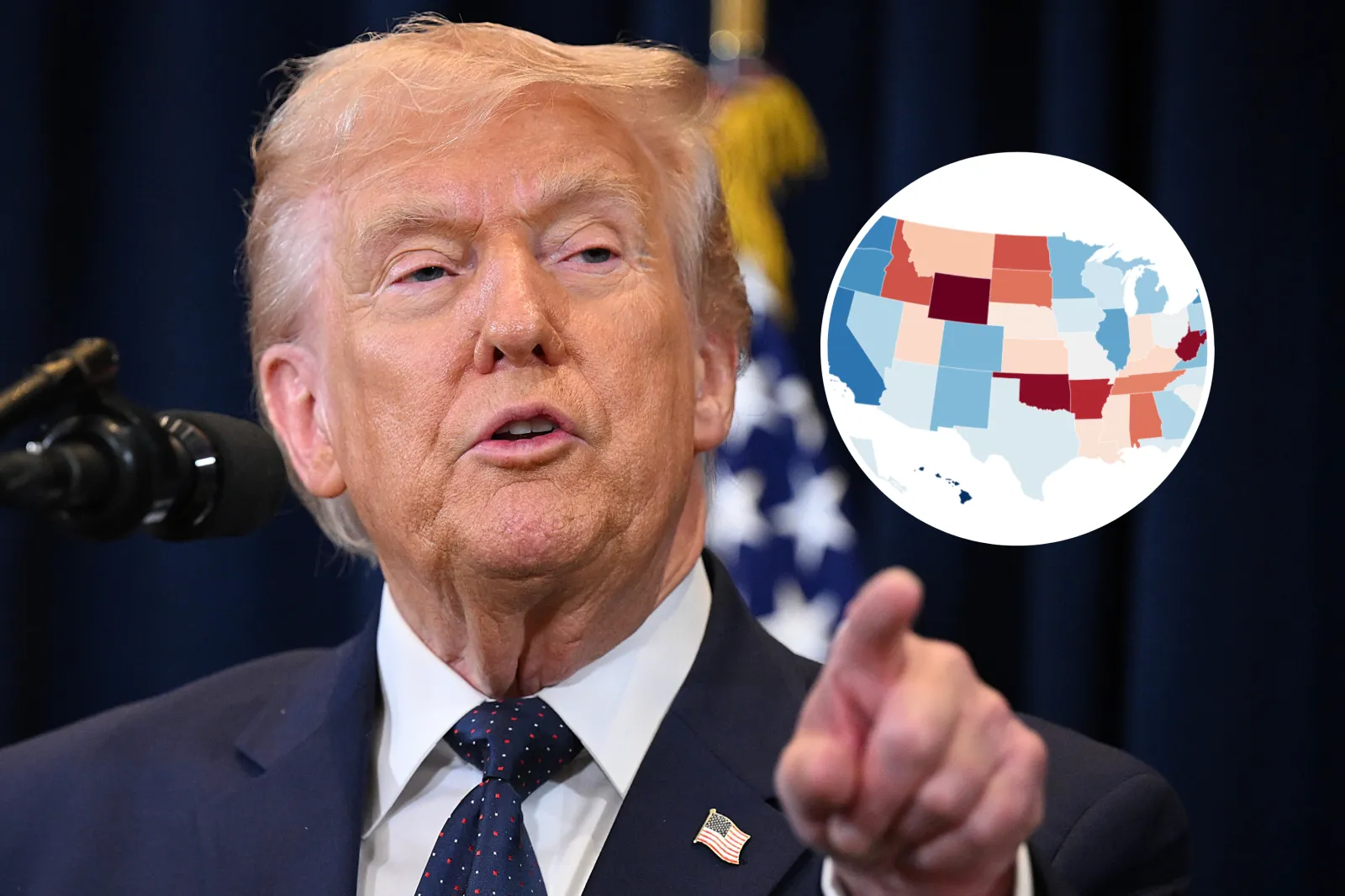 Map Shows Donald Trump’s Approval Rating in Every State After 14 Months
newsweek.com
Map Shows Donald Trump’s Approval Rating in Every State After 14 Months
newsweek.com
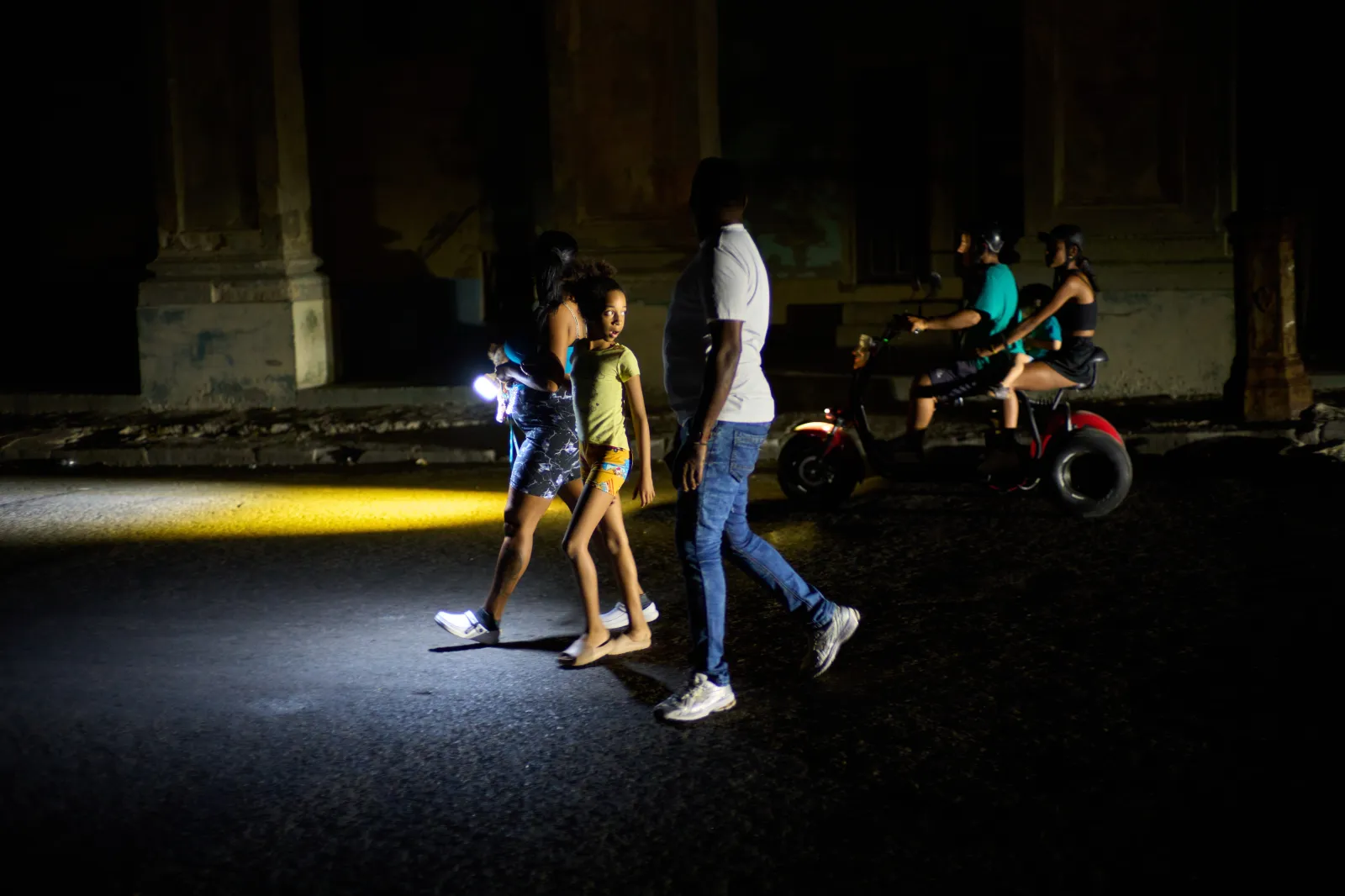
Cuba’s national electricity grid collapsed again on Saturday, the third nationwide blackout reported this month, as the island’s aging thermoelectric plants and fuel shortages leave little margin for routine failures. Newsweek reports the state-owned Cuban Electric Union confirmed a total outage without giving a cause, while officials said restoration protocols were being activated.
The outages are the visible end of a longer energy balance-sheet problem. Cuba’s grid relies heavily on older thermal generation units that require imported parts and steady fuel deliveries; when either is missing, the system shifts from “generation meets demand” to rationing by default. Newsweek notes rolling blackouts of up to 12 hours have become common over the past two years, and hospitals have postponed thousands of surgeries because diesel and other fuels are diverted to keep critical services running. For households and small businesses, the economic cost shows up as lost work hours, spoiled food and a forced return to cash-and-queue logistics.
The fuel constraint is partly structural and partly political. Newsweek says Cuba produces only about 40% of the fuel it needs and had depended on Venezuelan shipments as a lifeline. That cushion has thinned, and the article links the latest squeeze to tighter US measures: President Donald Trump signed an executive order in January targeting Cuba and introduced penalties tied to oil supplied to the island, including new tariffs on goods imported into the US that are products of countries that sell oil to Cuba. Cuba’s President Miguel Díaz-Canel has called for “negotiated solutions” to what he described as an energy blockade.
In practice, repeated total blackouts are a price signal that never reaches the price. Without a functioning market for power—where scarcity raises tariffs, attracts capital, and forces load shedding to be scheduled and compensated—maintenance backlogs accumulate quietly until they appear as systemwide failure. The government can announce new solar projects or emergency shipments, but the grid’s day-to-day reliability still depends on spare parts, working plants, and fuel inventories that must be paid for in hard currency.
On March 4 and March 16, the authorities reported earlier nationwide disconnections; on Saturday, the island lost power again. Each restart begins the same way: technicians try to re-energise a national network that no longer has slack.