
Iranian missiles hit Arad and Dimona
Strikes land near Israel nuclear research centre as interceptors miss, IAEA reports no radiation anomaly
Images
 First responders inspect the site of an Iranian missile strike in Arad, Israel, on 22 March 2026. Photograph: Ilia Yefimovich/AFP/Getty Images
theguardian.com
First responders inspect the site of an Iranian missile strike in Arad, Israel, on 22 March 2026. Photograph: Ilia Yefimovich/AFP/Getty Images
theguardian.com
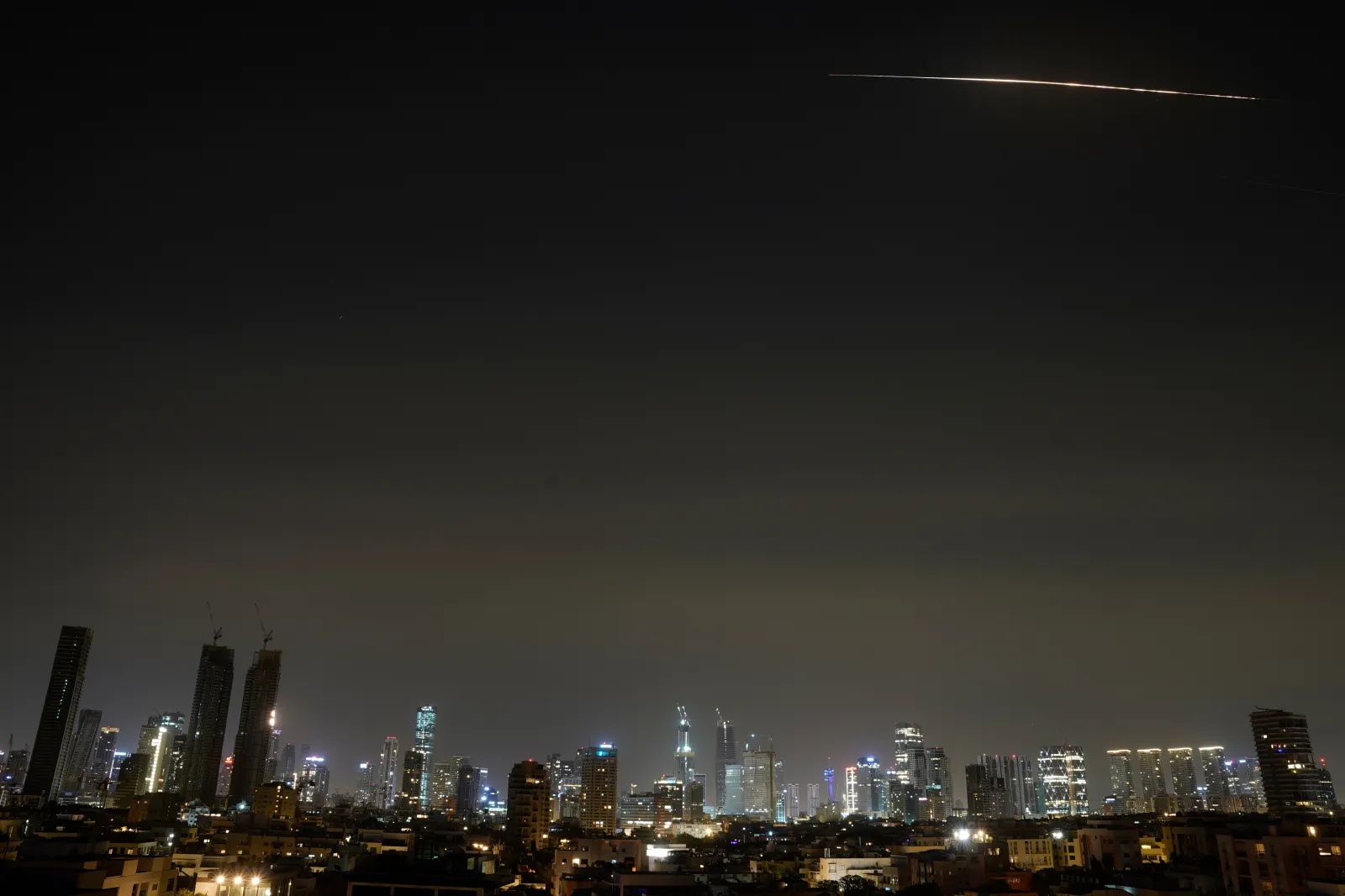 newsweek.com
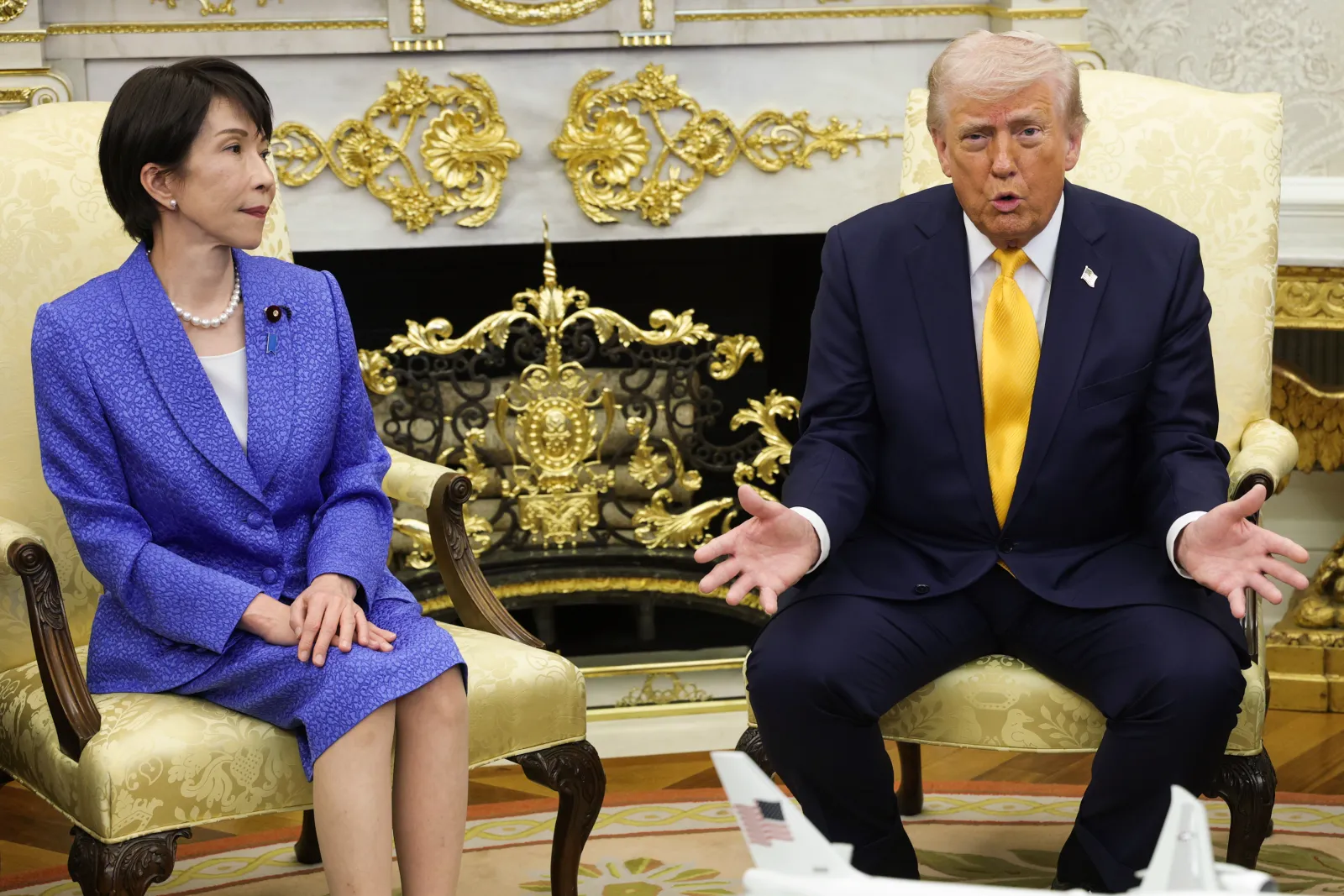 What Trump’s World War II Mindset Reveals About His Iran Policy
newsweek.com
What Trump’s World War II Mindset Reveals About His Iran Policy
newsweek.com
 Donald Trump Reacts to Former FBI Director Robert Mueller’s Death: ‘Good’
newsweek.com
Donald Trump Reacts to Former FBI Director Robert Mueller’s Death: ‘Good’
newsweek.com
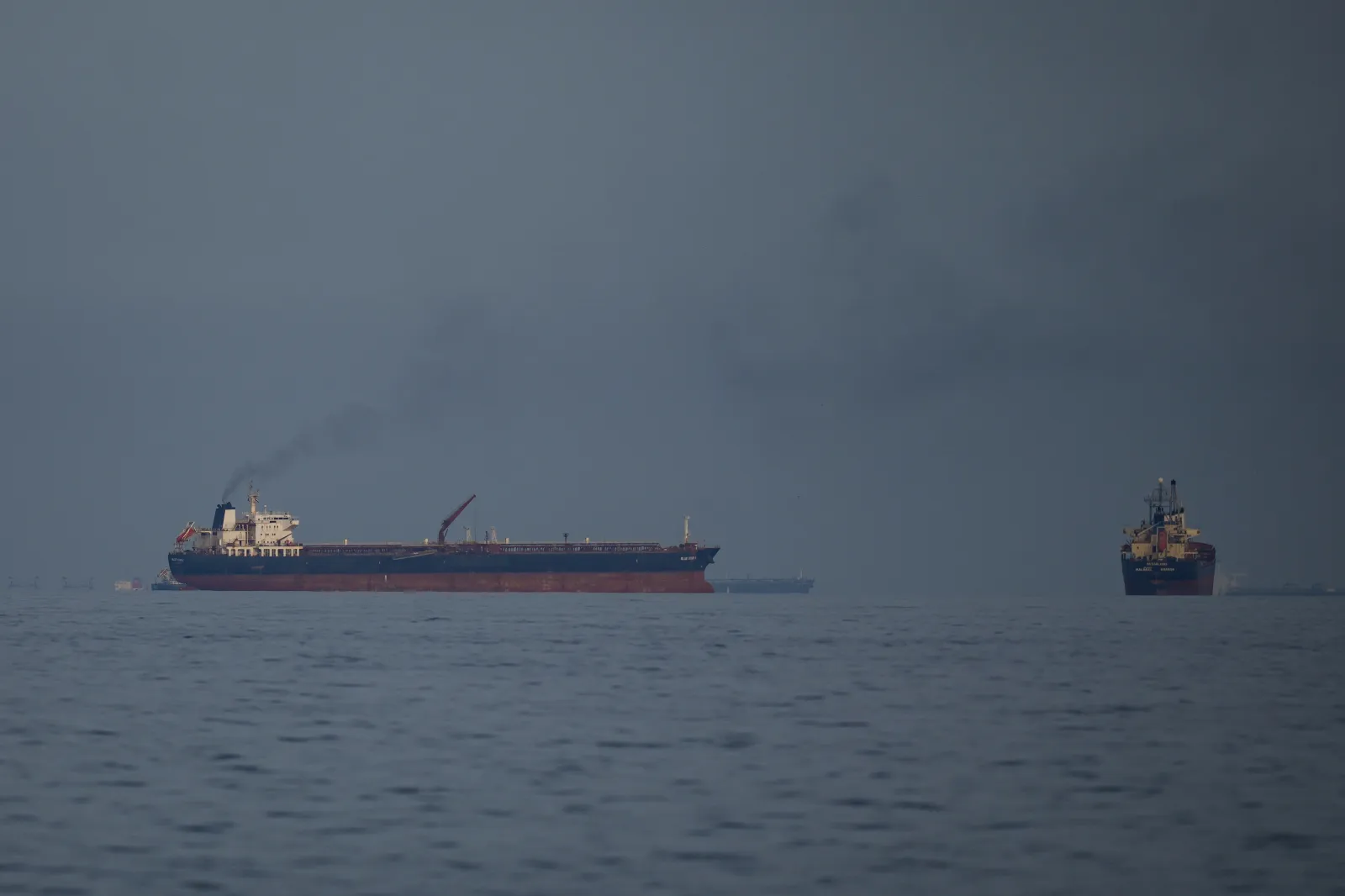 Iran Warns of Consequences Beyond Hormuz Strait if US Seizes Kharg Island
newsweek.com
Iran Warns of Consequences Beyond Hormuz Strait if US Seizes Kharg Island
newsweek.com
 Map Shows Donald Trump’s Approval Rating in Every State After 14 Months
newsweek.com
Map Shows Donald Trump’s Approval Rating in Every State After 14 Months
newsweek.com
Iranian ballistic missiles struck the southern Israeli cities of Arad and Dimona on Saturday, wounding close to 100 people and triggering a mass-casualty response at Soroka hospital in Beersheba, according to The Guardian. Israeli officials said at least one missile was not intercepted, and the Israeli air force opened an investigation into the apparent failure.
Dimona is not just another target on a map. It sits near the Shimon Peres Negev Nuclear Research Center, widely believed to be central to Israel’s undeclared nuclear program. The IAEA said it had received no indication of damage to the facility and that no abnormal radiation levels had been detected, according to Newsweek, but the episode illustrates a harsher reality of modern air defence: “not intercepting” is not an anomaly, it is a recurring operational outcome. Missile shields are built to reduce risk, not eliminate it.
That distinction matters because the value of a strike like this is not primarily measured in crater size. It is measured in what it forces decision-makers to do next. When an attack lands near nuclear-related infrastructure, leaders on both sides inherit a narrower set of politically survivable options: demonstrate control, promise retaliation, and reassure the public that escalation remains “managed.” Netanyahu called it a “very difficult evening” and vowed continued strikes, The Guardian reported. In Tehran, officials and state-linked outlets framed the barrage as a response to alleged attacks on Iranian nuclear sites.
Once a small number of missiles penetrate, the conflict’s centre of gravity shifts from battlefield math to institutional risk management. Civil defence protocols, evacuation decisions, and continuity planning become as consequential as military targeting. Insurers, bondholders, and corporate risk committees price the next week’s probability of disruption, not the last strike’s intent. That is why nuclear-adjacent cities and critical civilian nodes are attractive as signalling targets: they impose costs that are hard to hide and expensive to reverse, even without destroying the underlying facility.
The IAEA’s statement was narrowly technical—no confirmed damage, no radiation anomaly—yet it underlined the practical constraint it repeats in every war involving sensitive sites: it can monitor, but it cannot enforce restraint.
In Arad, rescuers searched damaged buildings for trapped residents while the Israeli military investigated why at least one incoming missile was not stopped.