
Sanctioned Russian LNG carrier drifts toward Libya
Italy warns vessel now inside Libyan rescue zone after suspected drone attack, environmental risk shifts from owners to coastal authorities
Images
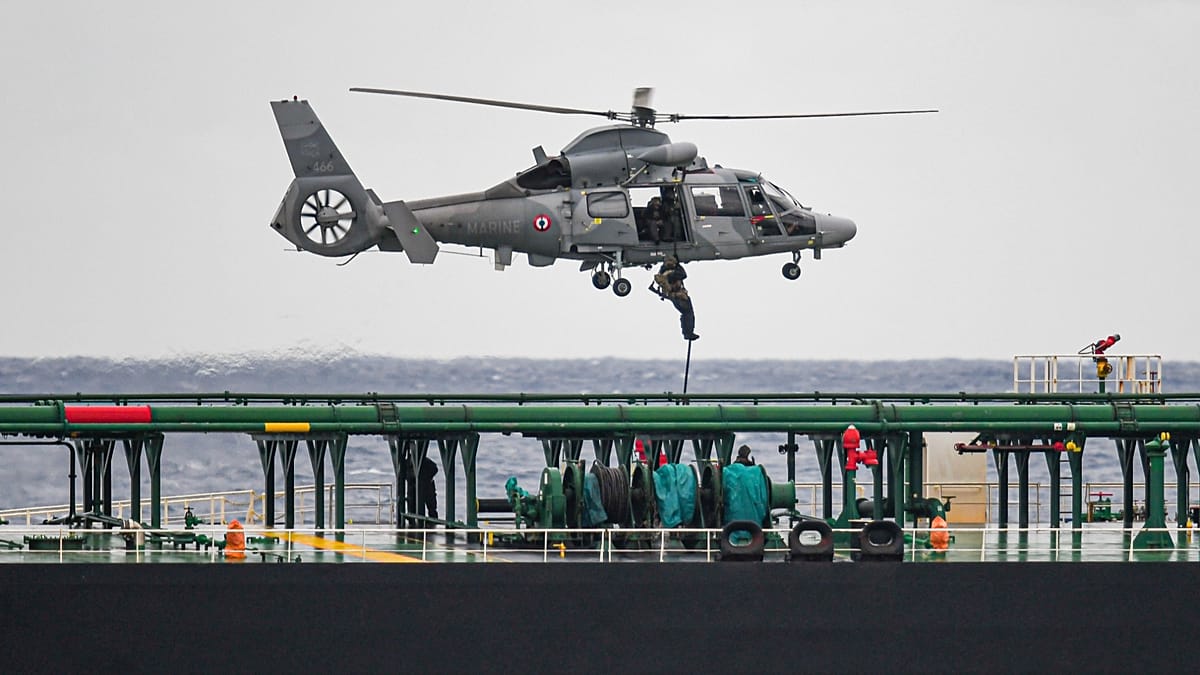 Russian tanker drifts into Libyan waters amid environmental warnings
euronews.com
Russian tanker drifts into Libyan waters amid environmental warnings
euronews.com
A 277-metre LNG carrier linked to Russia’s sanctioned “shadow fleet” has drifted into Libya’s search-and-rescue zone after explosions forced its crew to abandon ship on 3 March. Italy’s civil protection agency says the vessel, identified as the Arctic Metagaz, has been unmanned for weeks and could reach the Libyan coast within four to six days if winds and currents hold, according to Euronews citing AP.
Italian officials say no leak has been detected so far, but the risk profile is defined by what is on board and by who is now responsible. The ship is believed to be carrying roughly 450 tonnes of heavy fuel oil and 250 tonnes of diesel for its own engines, plus an “uncertain” quantity of liquefied natural gas that may already have partly dispersed, the agency said. A drifting tanker also creates a second hazard: collision. Italy’s Pierfrancesco Demilito said the ship could in theory strike offshore infrastructure, even if no platforms are currently nearby.
The immediate operational problem is jurisdiction. Once inside Libya’s SAR zone, intervention becomes a Libyan decision, with Italy offering assistance “if asked”. That handoff matters because the shadow-fleet model is built to make accountability expensive: ships operate with opaque ownership chains, lightly supervised flag states, and insurance arrangements that can be hard to enforce across borders. When something goes wrong, the costs default to whoever is closest—coastal authorities, port services, and ultimately local communities that have neither created the risk nor priced it.
The political response in Europe is now being routed through Brussels rather than through the market mechanisms that normally discipline hazardous shipping. The leaders of Italy, Spain, Malta, Greece and Cyprus have asked the European Commission to activate the EU civil protection mechanism, warning of an “imminent and serious risk” of a major ecological disaster, Euronews reports. Their letter also points to a broader pattern: vessels operating outside international standards increase systemic risk across the Mediterranean, but the bill for monitoring and emergency response lands on states and taxpayers.
That dynamic feeds back into costs that do get priced—just later and elsewhere. If shadow-fleet incidents become routine, insurers and reinsurers adjust premiums for shipping, ports and coastal infrastructure. The same is true for salvage and towage capacity, which becomes a scarce commodity when more ships sail with weaker compliance and thinner safety margins.
For now, the Arctic Metagaz is still afloat, still adrift, and still without a crew. Italy’s civil protection agency says it is tracking the vessel day by day while waiting to see whether Libyan authorities request help.