
Oil spill off Veracruz shuts fishing economy
Residents in Pajapan report tar balls and brown foam after cleanup fades from view, sacks of waste wait for disposal while compensation remains undefined
Images
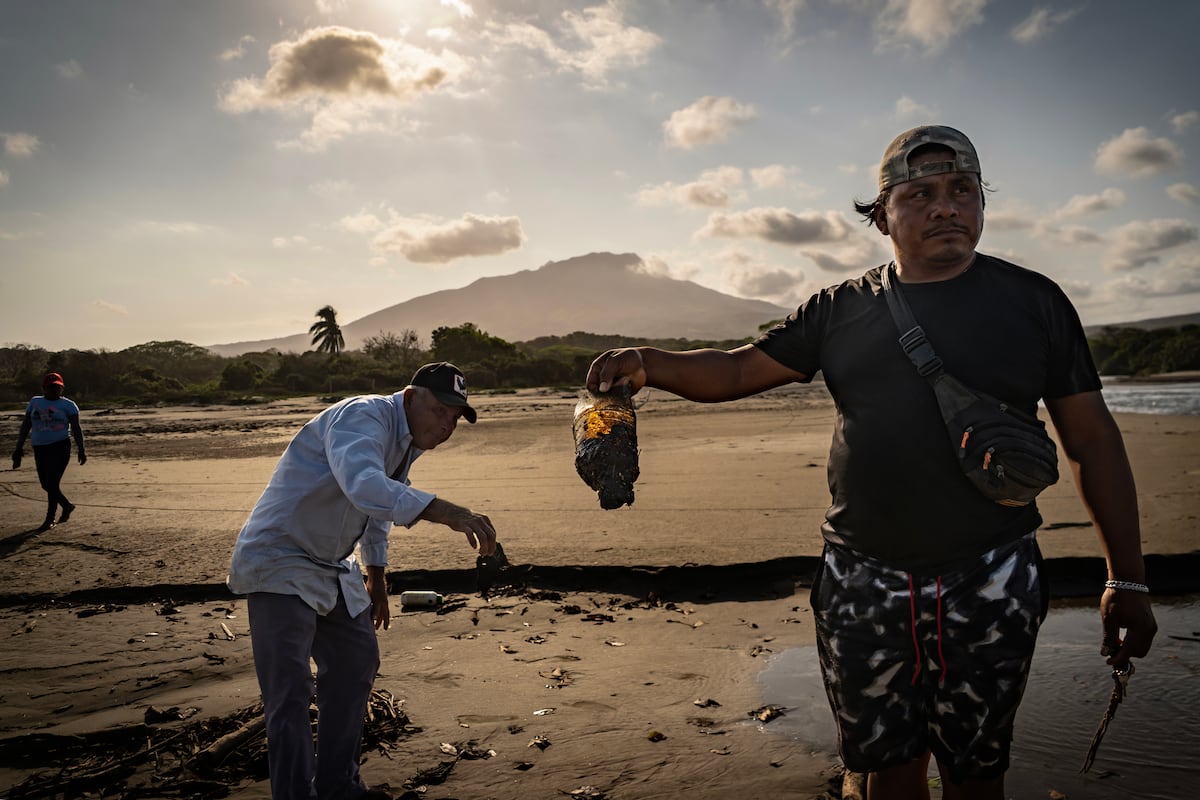 The invisible tragedy of the oil spill in Mexico
english.elpais.com
The invisible tragedy of the oil spill in Mexico
english.elpais.com
A nearly two-week oil spill along Mexico’s Gulf coast has left fishing banned across parts of Veracruz and pushed coastal families into unpaid cleanup work without protective gear, according to El País. Residents around Laguna del Ostión say the water no longer looks stained, but still produces brown foam and tar balls; the smell of hydrocarbons lingers near the lagoon even as the shoreline appears “normal” in towns like Pajapan.
The immediate damage is easier to measure in cash than in chemistry. Fishermen report going from daily income to zero overnight, while seafood vendors say they have no money to buy food. El País describes a local economy where fishing is both the primary job and the main source of liquidity: when authorities prohibit harvesting and sales “until further notice,” the shock hits farmers and small shops as well. In that setting, the spill becomes an institutional test: who pays for lost income, medical risk, and disposal of contaminated waste when the people closest to the damage have the least leverage.
What emerges in the reporting is a familiar chain of incentives. Residents say Pemex workers arrived to “inspect,” yet the first response on the water was improvised: villagers waded into contaminated areas, collecting tar with boots and plastic bags and piling it on higher ground. Those sacks are still waiting for proper disposal. The cost of doing nothing is spread across households—missed workdays, health exposure, and spoiled local trade—while the cost of a formal cleanup is concentrated and therefore easier to postpone, negotiate, or reclassify. When responsibility is diffuse, the default outcome is delay: the spill becomes “invisible” not because it is harmless, but because the visible parts are the first to be scraped away.
The longer the process drags on, the more the cleanup itself turns into a procurement problem. Compensation and contracting—who gets paid to remove waste, who certifies the water safe, who decides when fishing can resume—are points where paperwork matters as much as containment. If the state controls the timetable and the definitions, it also controls when losses become eligible for reimbursement and when they remain “informal hardship.” For families living off daily catch and market sales, waiting for an investigation or an inter-agency decision is not a neutral pause; it is the mechanism by which the burden is transferred.
In Pajapan and nearby communities, El País reports, the sea still has fish in it. The problem is that nobody is allowed to catch them, and the tar collected by hand is still sitting in bags by the lagoon.