
Airlines warn Middle East war costs flow straight into ticket prices
Low margins turn fuel and insurance risk into fare hikes, passengers become the balancing item when slots cap capacity
Images
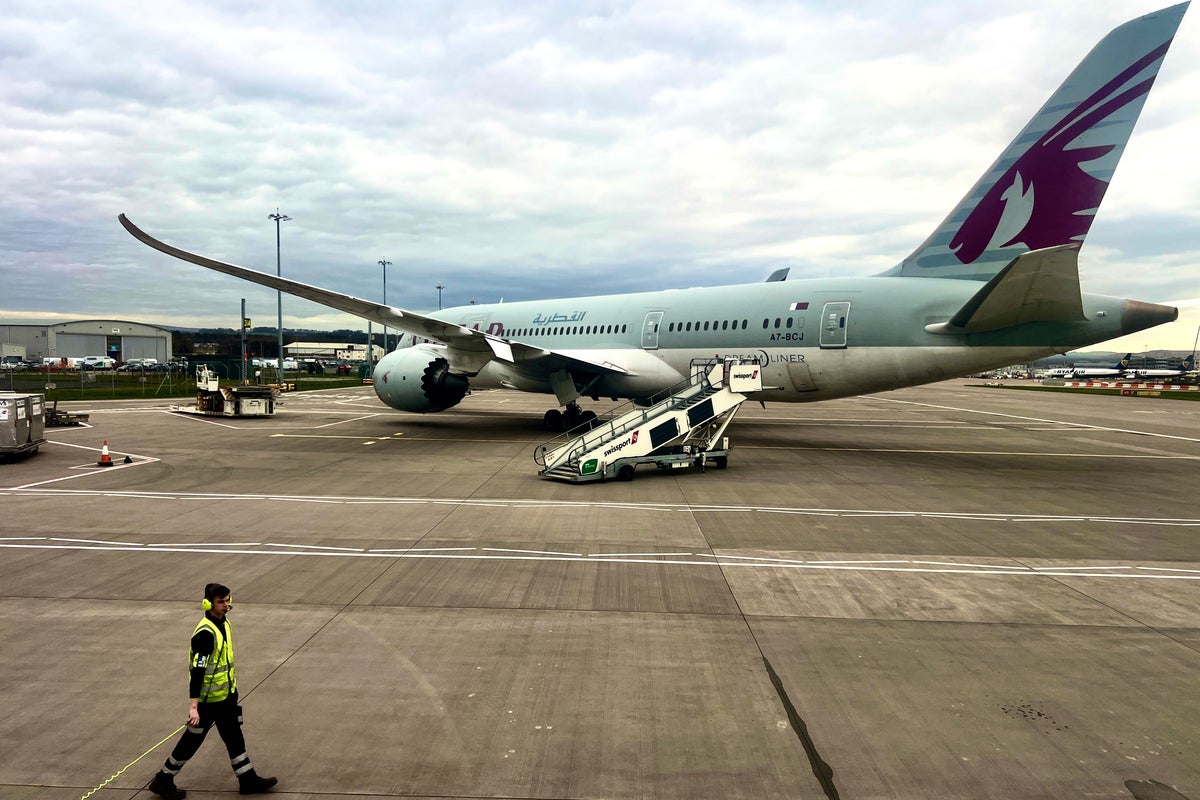 How hard will the Middle East conflict hit flight prices? Airline bosses weigh in
independent.co.uk
How hard will the Middle East conflict hit flight prices? Airline bosses weigh in
independent.co.uk
Low-cost airlines say they make roughly £7 per seat. That arithmetic is why a £10 move in jet fuel or a jump in war-risk insurance premiums does not stay inside the airline’s cost base for long. Speaking at the Airlines for Europe summit in Brussels this week, Ryanair chief Michael O’Leary, easyJet CEO Kenton Jarvis and IATA director general Willie Walsh described how the Middle East conflict is already feeding into pricing systems, even before any physical fuel shortage materialises, according to The Independent.
The immediate question for passengers is not only the oil price but the “risk stack” that sits on top of each flight: insurers repricing routes, lessors and lenders tightening terms, and airlines rerouting around airspace that has become operationally or politically uncertain. Jarvis noted that the UK imports the bulk of its jet fuel and is dependent on a limited number of refineries, particularly in the Gulf, making the supply chain sensitive to disruption even when crude is available. O’Leary, by contrast, argued that jet fuel is “pretty secure” for the next few months if the conflict ends within weeks—an assessment that still leaves the market pricing the possibility that it does not.
Airlines do not need to add a visible surcharge for passengers to pay the bill. Jarvis said easyJet will not bolt on a “plus €10” fuel fee; instead, higher costs and competitors’ price moves feed into revenue-management algorithms that nudge fares up across the system. In practice, the consumer becomes the balancing item. When planes are full and airport slots cap capacity, airlines can pass through higher costs without immediately losing load factors. Walsh described demand “shifting” rather than collapsing: travellers may swap eastern destinations for western Europe or North Africa, shorten trips, or reduce add-ons, but still fly.
That pricing power is not purely a function of market strength; it is also a product of constraint. Europe’s slot regime and airport capacity limits make supply unusually sticky in the short run. A carrier cannot easily add flights when demand spikes, and cannot always redeploy aircraft without regulatory and operational friction. That makes the ticket price a shock absorber for events that have nothing to do with the marginal cost of kerosene—war-risk premiums, detours, and the financing cost of keeping aircraft and crews positioned.
The result is a kind of “risk tax” that arrives as a higher fare rather than a line item. It is also asymmetric: passengers see price jumps quickly, while any easing tends to be competed away slowly as airlines rebuild margins and buffers.
At the Brussels summit, Jarvis put the industry’s unit economics plainly: when profit is counted in single-digit pounds per passenger, a small change in fuel and insurance can exceed the entire margin on a seat.