
US temporarily waives sanctions on Iranian oil cargoes at sea
Treasury issues one-month OFAC general license as war-driven prices surge, enforcement turns into a tradable calendar
Images
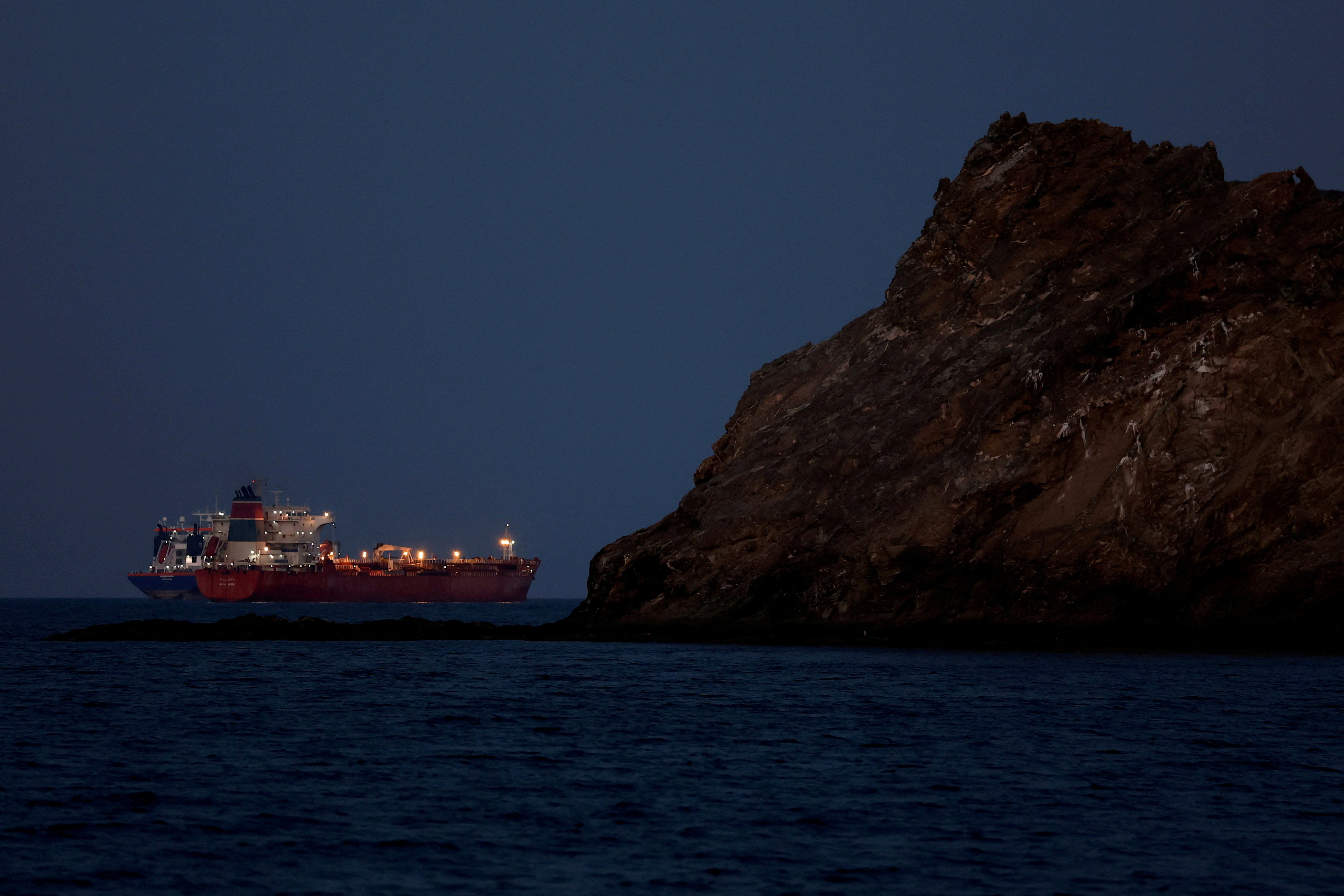 The price of oil has continued rising following Iran’s effective closure of the Strait of Hormuz, a key choke point through which one fifth of the global oil supply must pass each year (REUTERS)
REUTERS
The price of oil has continued rising following Iran’s effective closure of the Strait of Hormuz, a key choke point through which one fifth of the global oil supply must pass each year (REUTERS)
REUTERS
 President Donald Trump claims the U.S. may soon wind down the three-week-old war he started against Iran (REUTERS)
REUTERS
President Donald Trump claims the U.S. may soon wind down the three-week-old war he started against Iran (REUTERS)
REUTERS
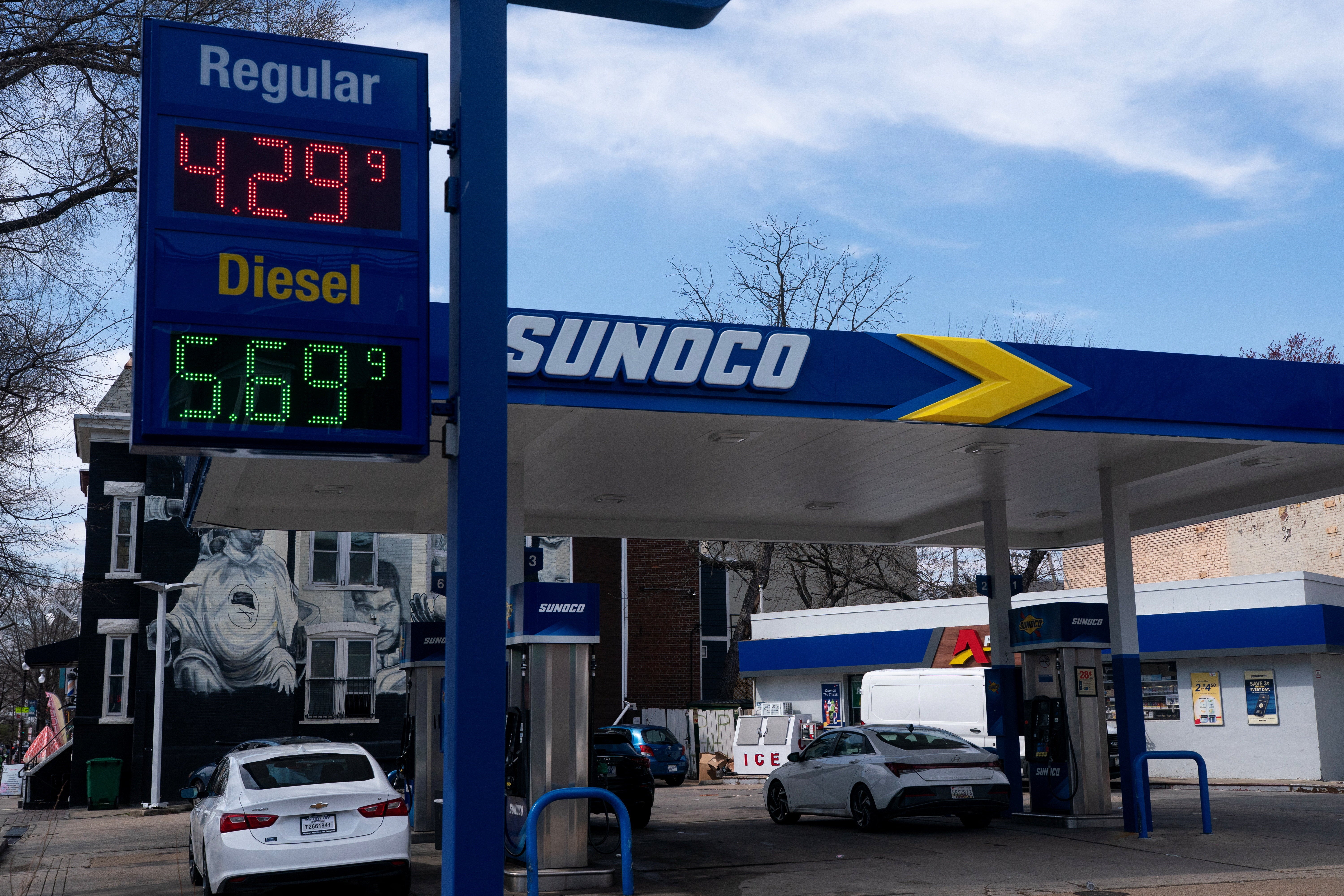 Oil and gas prices remained volatile on Friday as stock markets also suffered ongoing turbulent trading due to the escalating Iran conflict (REUTERS)
REUTERS
Oil and gas prices remained volatile on Friday as stock markets also suffered ongoing turbulent trading due to the escalating Iran conflict (REUTERS)
REUTERS
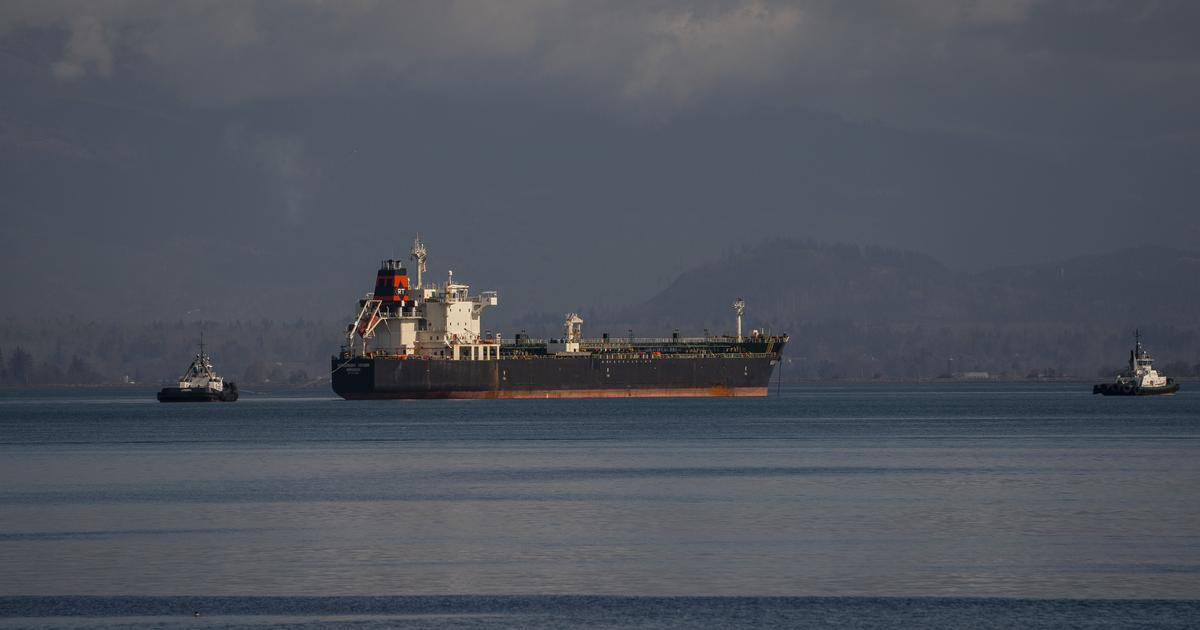 Representative image of an oil tanker
|
David Ryder/Getty Images/AFP
scroll.in
Representative image of an oil tanker
|
David Ryder/Getty Images/AFP
scroll.in
The Trump administration has issued a one-month waiver allowing buyers to purchase and unload Iranian-origin crude already at sea, temporarily suspending a web of sanctions that has targeted Iranian and Russian oil shipments for years. The authorization, published as a “General License” by the Treasury Department’s Office of Foreign Assets Control, runs until April 19, according to The Independent. Treasury Secretary Scott Bessent said the aim is to bring roughly 140 million barrels into global markets as oil prices surge amid the US–Israel war with Iran.
The move is a reminder that sanctions are not a fixed moral posture so much as an adjustable policy tool—tightened when the domestic cost is tolerable, loosened when the price tag shows up at the pump. According to The Independent, Bessent framed the waiver as a way to “use the Iranian barrels against Tehran” while continuing military operations, arguing that the measure applies only to oil already in transit and not to new production. But even a narrowly defined carve-out changes the incentives for every intermediary who makes a living in the grey zones of global shipping.
When compliance rules become time-limited and situational, the market starts to price not just cargo risk but political timing risk. Traders with better information about enforcement windows can buy distressed cargoes at a discount, while shipowners and insurers can charge for the uncertainty they are being asked to absorb. A waiver that covers already-sanctioned vessels, as The Independent reports, also signals to the shadow fleet that penalties can be negotiated after the fact—especially when Western governments are trying to dampen energy inflation.
The policy whiplash also lands on allies and competitors unevenly. China has been a major buyer of Iranian oil; Bessent argued that sanctions have enabled China to “hoard” Iranian barrels cheaply, and that a temporary release would widen supply. Yet if Iranian officials are right that there is “no surplus crude oil” available, as Scroll.in reports, the market impact may be smaller than the headline number suggests—while the precedent of reversible sanctions remains.
The waiver expires on April 19. Until then, the legal status of oil already floating at sea is being rewritten by the same government that says it is fighting to constrain Tehran’s revenue.