
JPMorgan starts taking bitcoin and ether as collateral
Kinexys platform brings crypto into institutional secured lending with 30% to 50% haircuts, margin mechanics replace retail hype as the risk channel
Images
 zerohedge.com
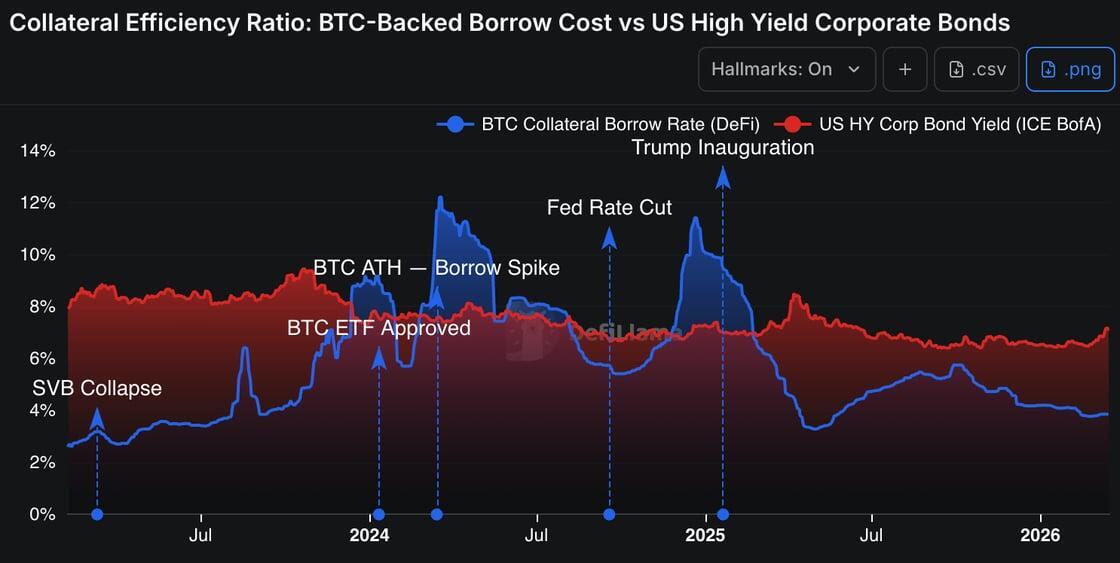
JPMorgan has begun accepting bitcoin and ether as collateral for institutional clients seeking dollar liquidity, using its Kinexys digital financing platform, according to ZeroHedge citing Sentora Research. The bank applies haircuts of roughly 30% to 50%—implying loan-to-value ratios around 50% to 70%—and relies on third‑party custody arrangements rather than holding the assets on its own balance sheet.
On its face, this is another step in the long migration of crypto from speculative side pocket to balance-sheet tool. The more important shift is where the risk moves. Once an asset becomes acceptable collateral, it stops being merely “owned” and starts being pledged, re‑pledged, and managed through margin and haircut rules. That is the plumbing logic of repo and prime brokerage: collateral value determines how much credit can be created today, and sudden repricing forces rapid deleveraging tomorrow.
The haircut is the tell. A 30–50% buffer is not a statement of faith; it is a recognition that crypto can gap down faster than traditional collateral. In a world of intraday moves, the critical question is not the long-run narrative about “digital gold” but whether collateral managers can demand more margin quickly enough, and whether borrowers can post it without selling into a falling market. The same mechanism that makes collateral useful—instant liquidity without liquidation—also creates a path for procyclical stress.
JPMorgan’s design choices point to that trade-off. Using a tri‑party setup with custodians such as Coinbase Custody or Anchorage Digital keeps the bank’s direct exposure limited and shifts operational risk to a narrow set of regulated gatekeepers. “Atomic settlement” via Kinexys—moving collateral in minutes rather than days—reduces settlement risk and allows faster margin calls. But faster margin calls also mean faster forced selling when volatility spikes.
That matters because institutional crypto holdings are not small anymore, and the same institutions that would borrow against them—hedge funds, corporate treasuries, family offices—also run leverage elsewhere. In a broad risk-off move, the first stress often appears where collateral is most volatile and most rehypothecated. Traditional markets learned this in 2008 and again in the September 2019 repo spike: a system can look liquid until it needs to reprice collateral all at once.
For regulators and central banks, the policy challenge is familiar even if the asset is new. If crypto-backed credit grows, the next crisis may not start with retail panic or an exchange failure. It may start with a margin spiral in collateral management, where haircuts widen, credit lines shrink, and the demand for dollars spikes.
JPMorgan is not turning bitcoin into a safe asset. It is turning it into a lever.