
Dozens die in South Africa’s traditional circumcision season
Initiation schools operate as a parallel health system outside routine inspection, hospital costs arrive after the ritual fails
Images
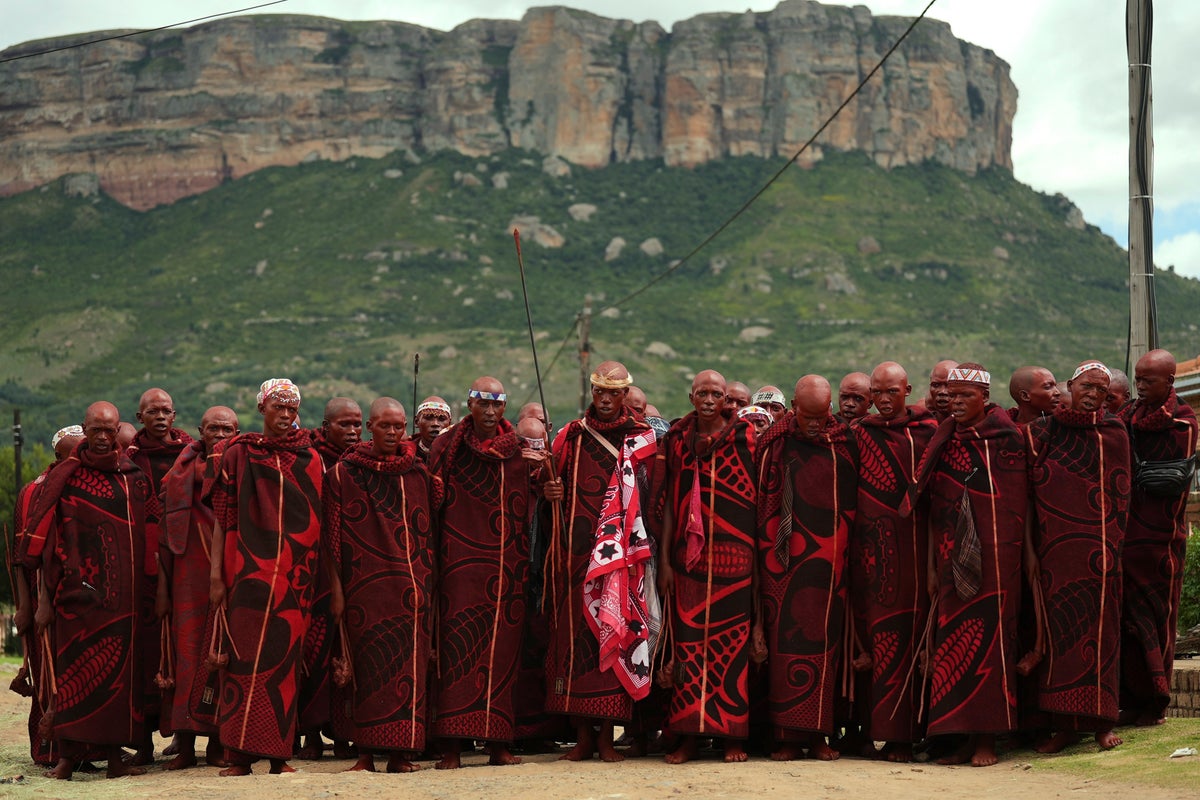 Dozens of boys and young men are dying in South Africa's traditional circumcision rites
independent.co.uk
Dozens of boys and young men are dying in South Africa's traditional circumcision rites
independent.co.uk
At least 48 boys and young men died during South Africa’s most recent traditional circumcision season, according to reporting by The Independent based on Associated Press interviews and official statements.
The Independent describes initiation schools—often remote huts or shacks where groups of initiates live for weeks under secrecy rules—as a parallel health system operating alongside formal clinics. Deaths are linked to dehydration, septic wounds and poorly trained practitioners, with additional risk from unsanitary tools that may be reused. South Africa’s Traditional Affairs Minister Velenkosini Hlabisa has cited advice sometimes given to initiates to avoid drinking water to “heal faster.” Former health minister Zweli Mkhize previously told parliament that 476 young people died over a five-year period.
The recurring fatalities are not a mystery of medicine so much as a problem of governance and cost allocation. Families face strong cultural pressure to send sons through the ritual because completion confers adult status, marriage prospects and community standing. That makes “opting out” expensive even when the physical risks are well known. The people who run initiation schools—traditional leaders, circumcisers and guards—hold legitimacy inside the ritual, while the state’s legitimacy is weaker in a practice defined partly by being outside public scrutiny.
That split helps explain why standard tools of modern safety regulation struggle. Inspection and licensing can target registered schools, but The Independent reports that hundreds of illegal initiation schools operate anyway, drawing those who cannot afford registered options. When a rite is both compulsory in practice and secretive by design, enforcement is sporadic and evidence is scarce: police and officials tend to announce deaths only when numbers become large, and court cases and autopsies are uncommon. Even families may avoid assigning blame, as in the case of Lamkelo Mtyho, a 22-year-old who died after collapsing on the way to a river, where relatives recount being told others tried to resuscitate him.
The downstream costs are borne elsewhere. Complications that do not kill still create demand for emergency transport, antibiotics, surgical care and long hospital stays—services provided by the public health system or by families paying out of pocket. Meanwhile, the operators of unregistered schools can disappear or restart, because the “customers” are not ordinary consumers with the leverage to refuse the service or demand refunds.
South Africa holds initiation seasons twice a year, with the next beginning in June.
The country’s tally of deaths continues to be measured after the fact, once families are already planning the next round.