
Study finds majority of TikTok ADHD videos contain misinformation
Researchers review 5,000 mental health posts across platforms, engagement-first feeds turn symptom checklists into a scalable content product
Images
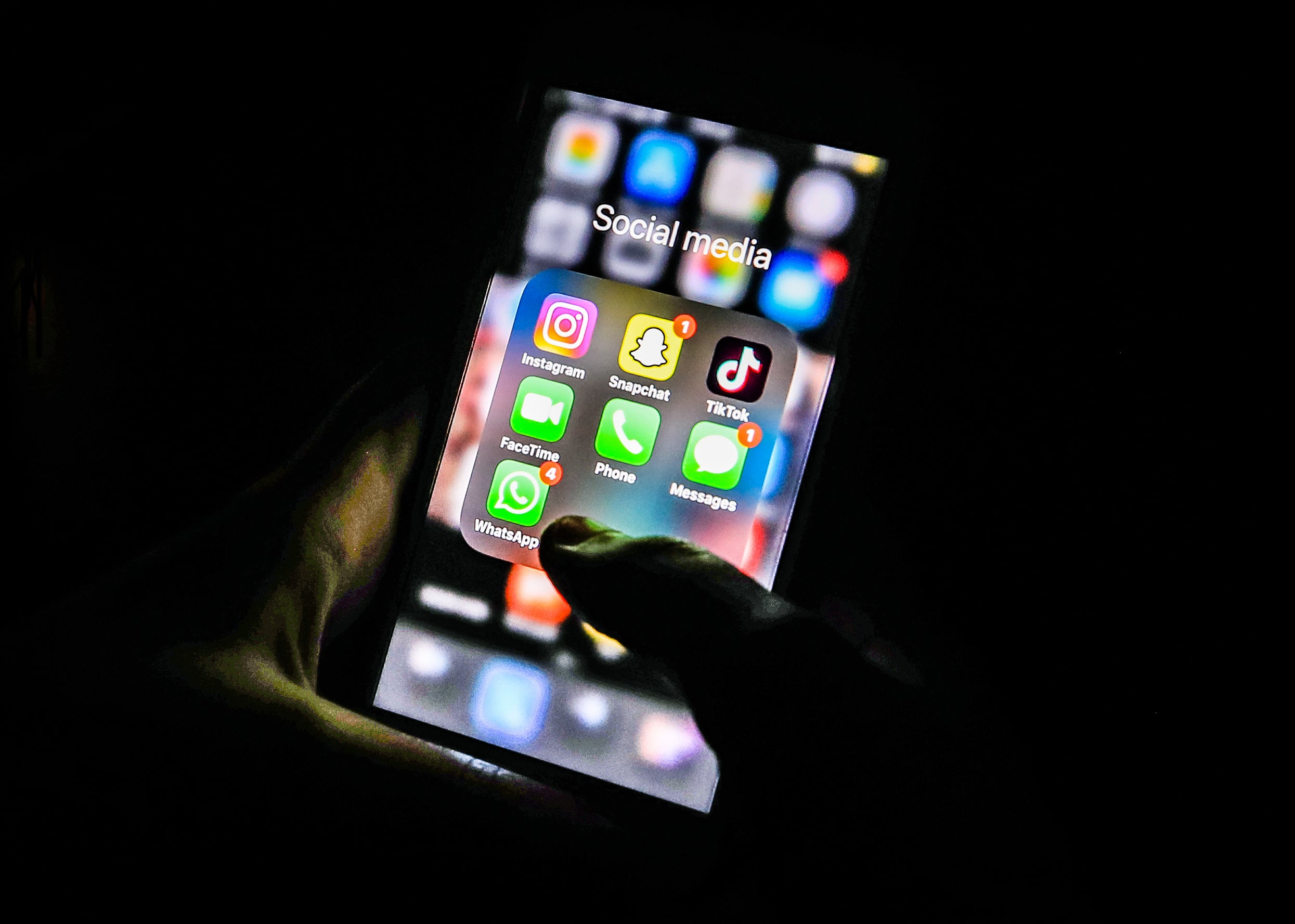 More than half of TikTok’s ADHD videos are misinformation, a new study has revealed (PA Archive)
PA Archive
More than half of TikTok’s ADHD videos are misinformation, a new study has revealed (PA Archive)
PA Archive
More than half of TikTok videos about ADHD contain misinformation, according to a new study that reviewed mental-health content across major social platforms. The Independent reports that researchers analysed more than 5,000 posts spanning conditions from depression to OCD, and found misinformation rates of 52% for ADHD-related TikTok videos and 41% for autism videos. By comparison, the study found lower averages on YouTube (22%) and Facebook (just under 15%).
The finding lands in a familiar cultural argument—self-diagnosis, “neurodivergence” as identity, and the anxiety of parents and clinicians—but the more practical story is distribution economics. TikTok’s recommendation system is built to reward watch time, replays, comments, shares, and the kind of content that prompts viewers to test themselves immediately. “Symptom list” videos are engineered for that environment: they compress complex diagnoses into recognisable, high-frequency behaviours, then invite the viewer to map ordinary experiences onto a clinical label. The format is not just easy to consume; it is easy to produce at volume, which matters in a feed where output velocity is a competitive advantage.
Once the content category is established, a second layer of incentives forms around it. The study’s authors said posts created by healthcare professionals were “consistently more accurate,” but also noted that professional voices are only a small share of what circulates. That scarcity is structural: clinicians face licensing constraints, reputational risk, and time costs that generic “mental health” creators do not. Meanwhile, the audience that arrives for self-diagnosis content is valuable to adjacent sellers—coaches, therapy marketplaces, productivity tools, supplements, and apps—because it is already primed to interpret dissatisfaction as a treatable condition. The platform does not need to sell the product directly; it only needs to keep the user engaged long enough for someone else to monetise the attention.
The researchers, from the University of East Anglia, warned that misinformation can “pathologise ordinary behaviour,” delay real diagnosis, and feed stigma. TikTok rejected the conclusions, calling the research “flawed” and saying it removes harmful health misinformation and directs users to information from the World Health Organization, according to The Independent. The company also pointed to its UK Clinician Creator Network, a group of 19 NHS-qualified clinicians whose content reaches more than two million followers.
But moderation and “trusted information” banners compete with the same engagement engine that elevated the misleading clips in the first place. Correct, cautious explanations are usually slower, less emotionally satisfying, and less shareable than a 20-second checklist that tells a viewer they have finally found the reason their life feels hard.
The study’s headline statistic—52% inaccurate ADHD content on TikTok—describes a quality problem. It also describes a product-market fit between a platform optimised for virality and a genre of mental-health content optimised for instant recognition.