
Uber and Rivian sign $1.25 billion robotaxi deal
10,000 autonomous R2s planned with 2028 rollout, platform exclusivity turns autonomy into a supply-chain contract
Images
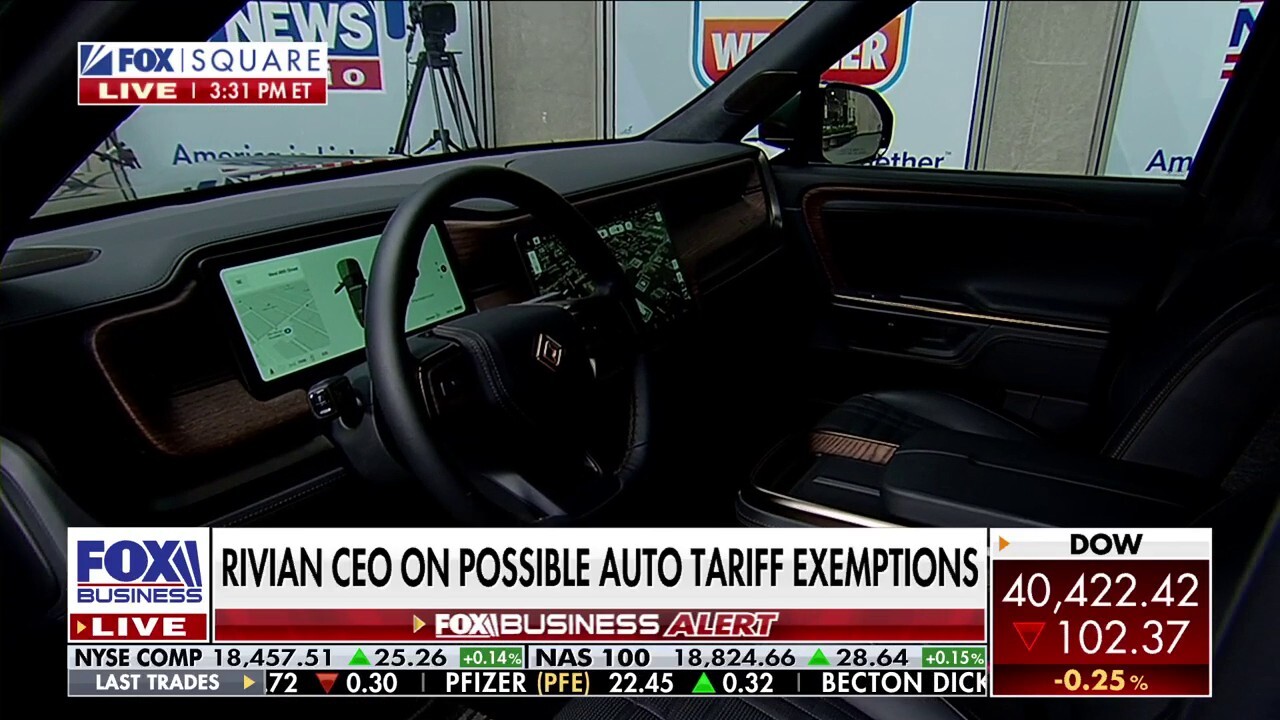 Rivian founder and CEO RJ Scaringe discusses the impact of import tariffs on The Claman Countdown.
foxbusiness.com
Rivian founder and CEO RJ Scaringe discusses the impact of import tariffs on The Claman Countdown.
foxbusiness.com
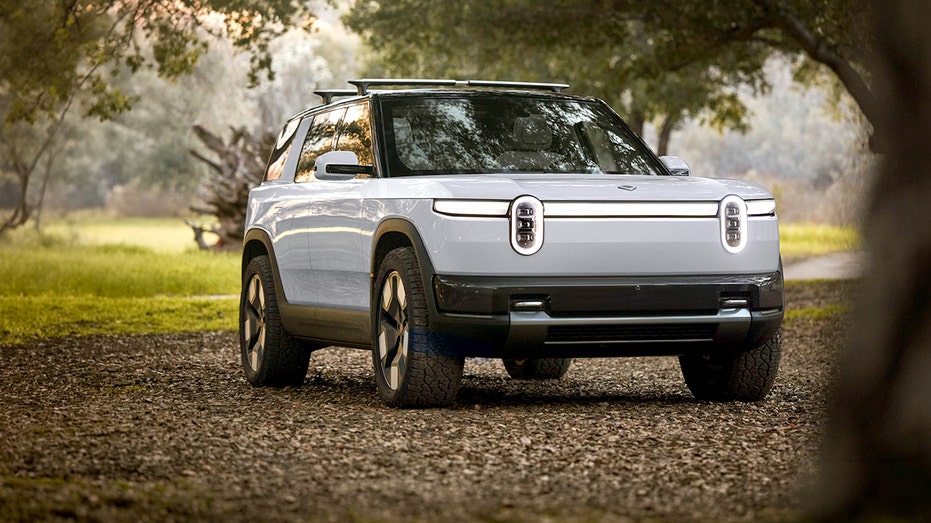 Rivian SUV in the woods.
foxbusiness.com
Rivian SUV in the woods.
foxbusiness.com
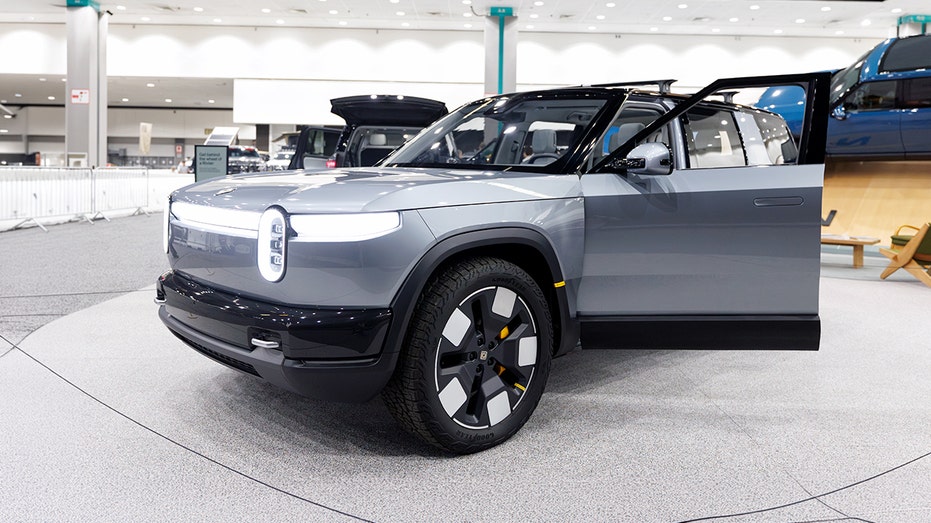 A Rivian R2 at the LA Auto Show.
foxbusiness.com
A Rivian R2 at the LA Auto Show.
foxbusiness.com
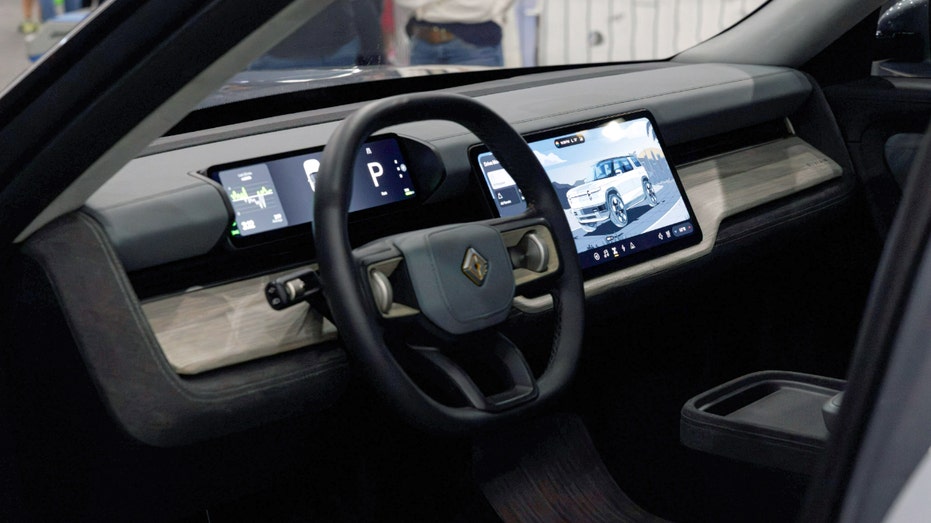 Rivian R2 interior
foxbusiness.com
Rivian R2 interior
foxbusiness.com
Uber and Rivian have agreed to a partnership worth up to $1.25 billion to develop and deploy autonomous robotaxis, with a first rollout planned for 2028 in San Francisco and Miami, Fox Business reports. Uber will invest in Rivian through 2031, with an initial $300 million tranche subject to regulatory approval and further payments tied to autonomy performance milestones. Uber also plans to purchase 10,000 fully autonomous Rivian R2 vehicles—directly or via fleet partners—and holds an option to buy up to 40,000 more in 2030.
The deal is structured around a familiar fault line in autonomy: who owns the customer relationship versus who owns the vehicle. Uber controls demand, routing, pricing, and the rider interface; Rivian controls the hardware platform and, if it succeeds at “level 4” autonomy, the core operating capability. The agreement answers the question by making Rivian’s autonomous R2 fleet available exclusively through Uber’s platform, effectively turning the carmaker into a single-platform supplier while giving Uber a dedicated hardware pipeline.
For Uber, the arrangement reduces dependence on a fragmented ecosystem of autonomous-vehicle developers and OEM partners. Instead of waiting for third-party AV operators to show up with a working product and then negotiating access, Uber is pre-committing capital and purchase volumes to pull a specific stack toward commercial launch. The milestone-based investment also limits upfront exposure: Rivian gets money as it proves capability, while Uber can present the spending as conditional rather than speculative.
Rivian, meanwhile, gets a guaranteed channel to market and a large prospective fleet order—an important signal in a sector where autonomy timelines slip and unit economics remain unproven. Rivian CEO RJ Scaringe described a “data flywheel” and an in-house inference platform, while Uber CEO Dara Khosrowshahi highlighted Rivian’s end-to-end control of vehicle design, compute, software, manufacturing and supply. The subtext is that autonomy is increasingly sold as vertical integration: the more of the stack one company controls, the easier it is to debug edge cases and scale.
The operational risk still sits in the messy middle: insurance, liability allocation, and what happens when a vehicle that is “unsupervised” meets a city street full of unpredictable actors. Uber’s plan to buy vehicles “through its fleet partners” suggests a further layer of risk transfer—financing, maintenance, and local compliance can be pushed outward even as Uber keeps the interface and the data.
If the timeline holds, thousands of Rivian robotaxis will be summoned through the same Uber app that today dispatches human drivers. The first 10,000 vehicles are expected to arrive before the industry has settled who pays when the driver is software.