
Gold slump coincides with widening dollar funding stress
Cross-currency basis swaps flag rising demand for dollars outside US hours, central-bank backstops loom behind trade finance
Images
 zerohedge.com
 zerohedge.com
 zerohedge.com
 zerohedge.com
 zerohedge.com
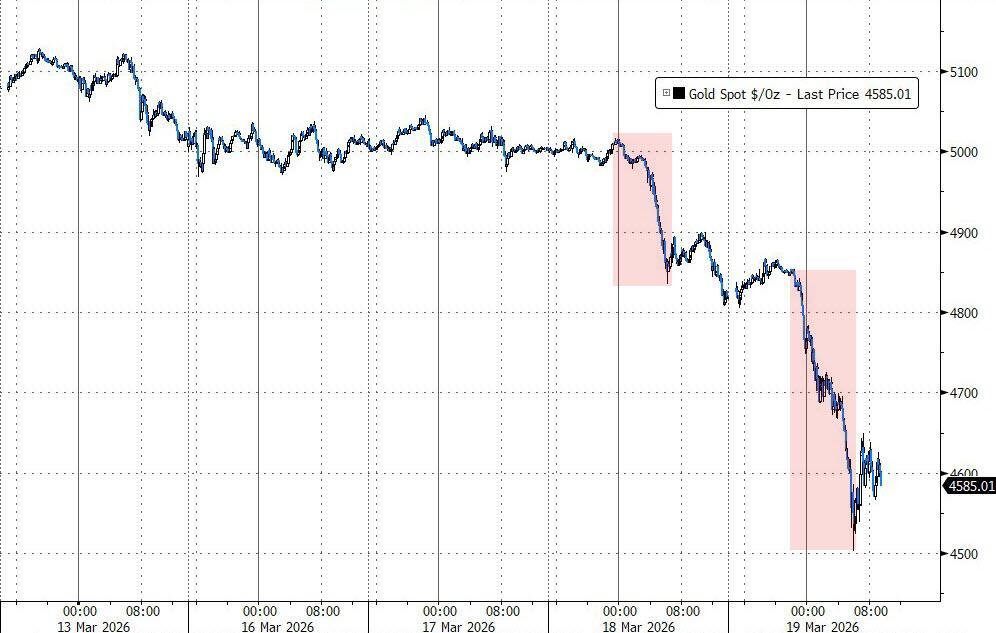
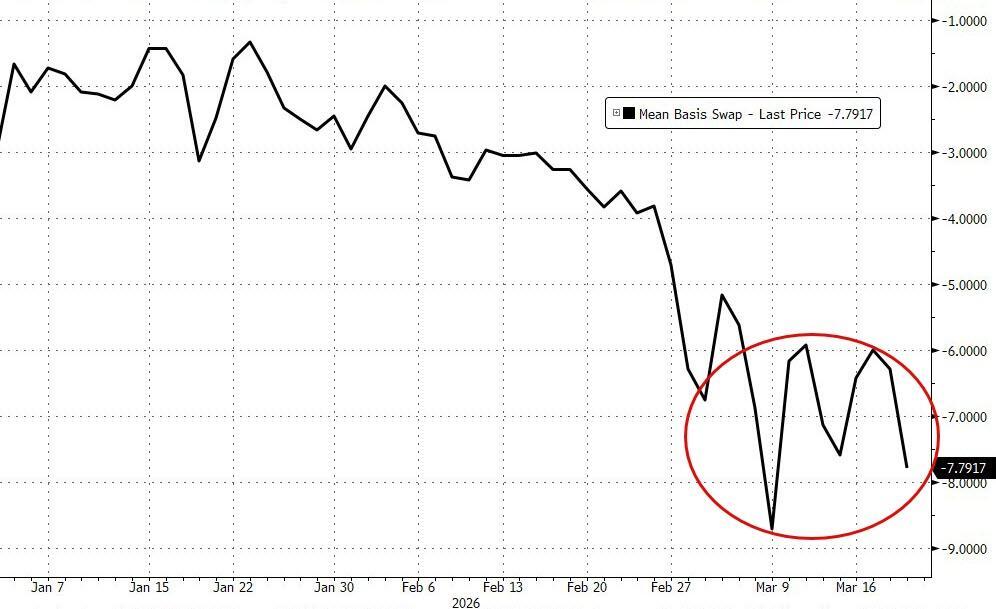
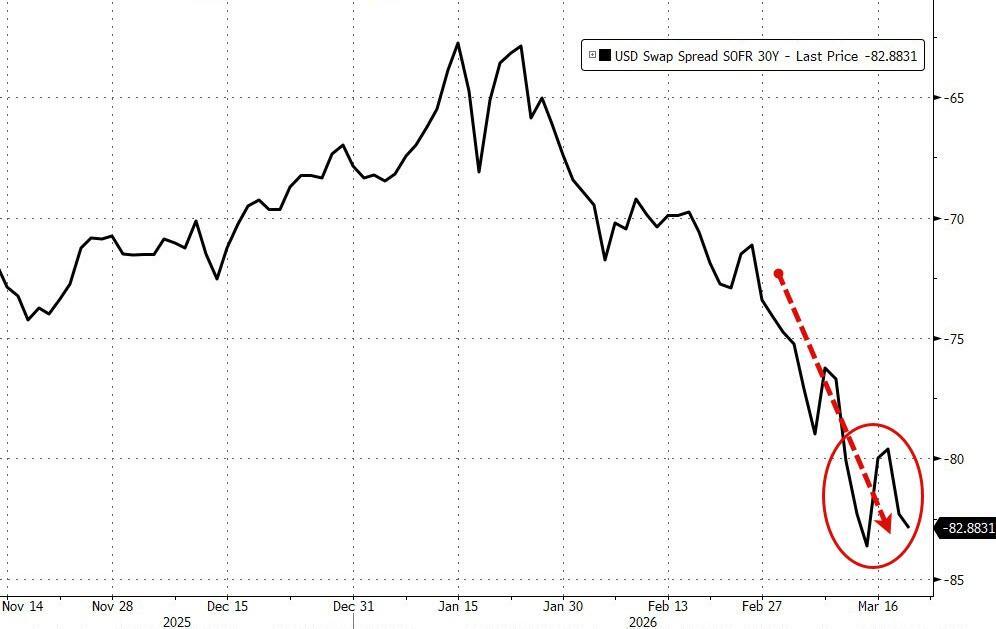
Gold fell almost 9% this week, its sharpest weekly drop since March 2020, even as Middle East attacks on energy infrastructure pushed up gas and oil risk premiums. The move has been accompanied by a noticeable shift in cross-currency basis swaps—especially yen-dollar and Swiss franc-dollar—signalling that global institutions are paying up for dollar funding, according to UBS traders cited by Zero Hedge.
A “dollar shortage” rarely shows up first in headline interest rates. It shows up in the plumbing: the swap market where banks and large corporates exchange funding in one currency for another. When dollar demand spikes, the cross-currency basis typically moves against the non-dollar side, meaning borrowers must offer an extra spread—on top of interest rate differentials—to obtain dollars. That spread is a price for balance-sheet capacity and for the willingness of intermediaries to take settlement and counterparty risk when markets are stressed.
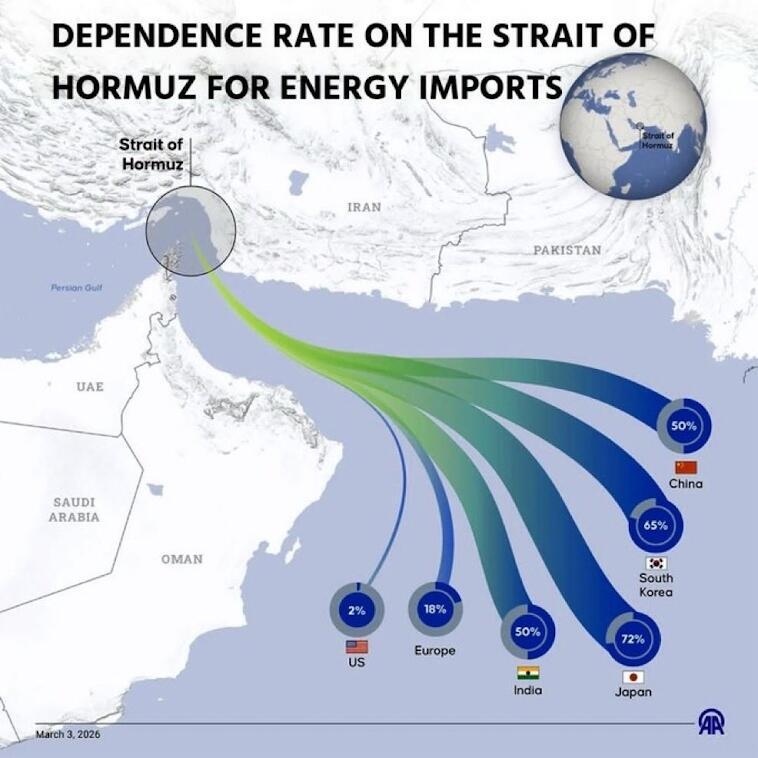
The current catalyst is not a recession scare but the opposite: an energy and shipping shock that raises working-capital needs. When war-risk insurance and freight rates jump, importers and commodity traders need more dollars upfront for margin, collateral, letters of credit, and prepayments. If shipping routes are disrupted, inventories sit longer on the water and financing tenors extend. Every extra day of transit is another day the bank’s balance sheet is tied up.
Gold’s selloff fits that pattern. In a funding squeeze, institutions often liquidate what they can, not what they want to. Gold is deep, global, and easy to pledge or sell quickly—so it becomes a source of dollars rather than a refuge. The fact that the largest down legs occurred during Asian and European hours, as Zero Hedge notes, points to stress outside the US time zone, where dollar funding is structurally scarcer.
Central banks tend to treat these episodes as “market functioning” problems. In practice, the backstop typically lands on a narrow set of actors: banks and trade-finance conduits whose failure would freeze payments and commodity flows. The Federal Reserve’s swap lines and repo facilities are designed for exactly this moment—providing dollars against collateral when private dealers step back. Markets are already trading that possibility: Bloomberg-reported flows in SOFR options suggest demand for tail hedges that would benefit from near-term Fed cuts, even as the base case has shifted toward fewer cuts.
So far, there is no visible scramble to the Fed’s discount window. But the cross-currency basis is already pricing the cost of being early to ask for dollars.
If the war premium keeps migrating from barrels and molecules into insurance, credit and settlement risk, the first entities to feel it will not be energy producers. It will be the banks asked to finance cargoes that can no longer be priced with a normal shipping schedule.