
Drones breach airspace above Fort McNair
Rubio and Hegseth residences trigger security review and relocation talks, cheap aircraft force costly protection rituals without clear attribution
Images
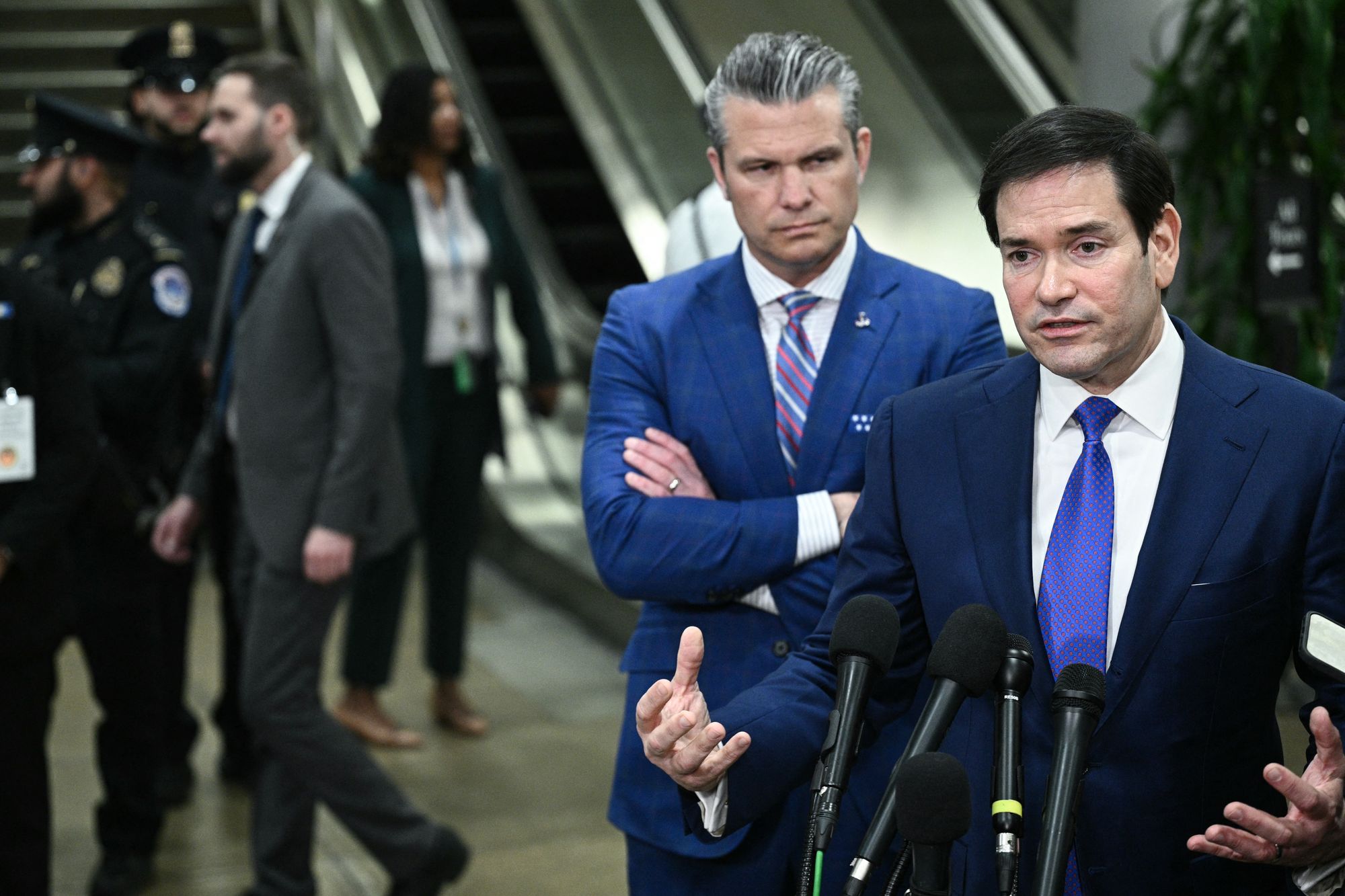 Marco Rubio and Pete Hegseth both live on the McNair Army base in Washington D.C. (AFP/Getty)
AFP/Getty
Marco Rubio and Pete Hegseth both live on the McNair Army base in Washington D.C. (AFP/Getty)
AFP/Getty
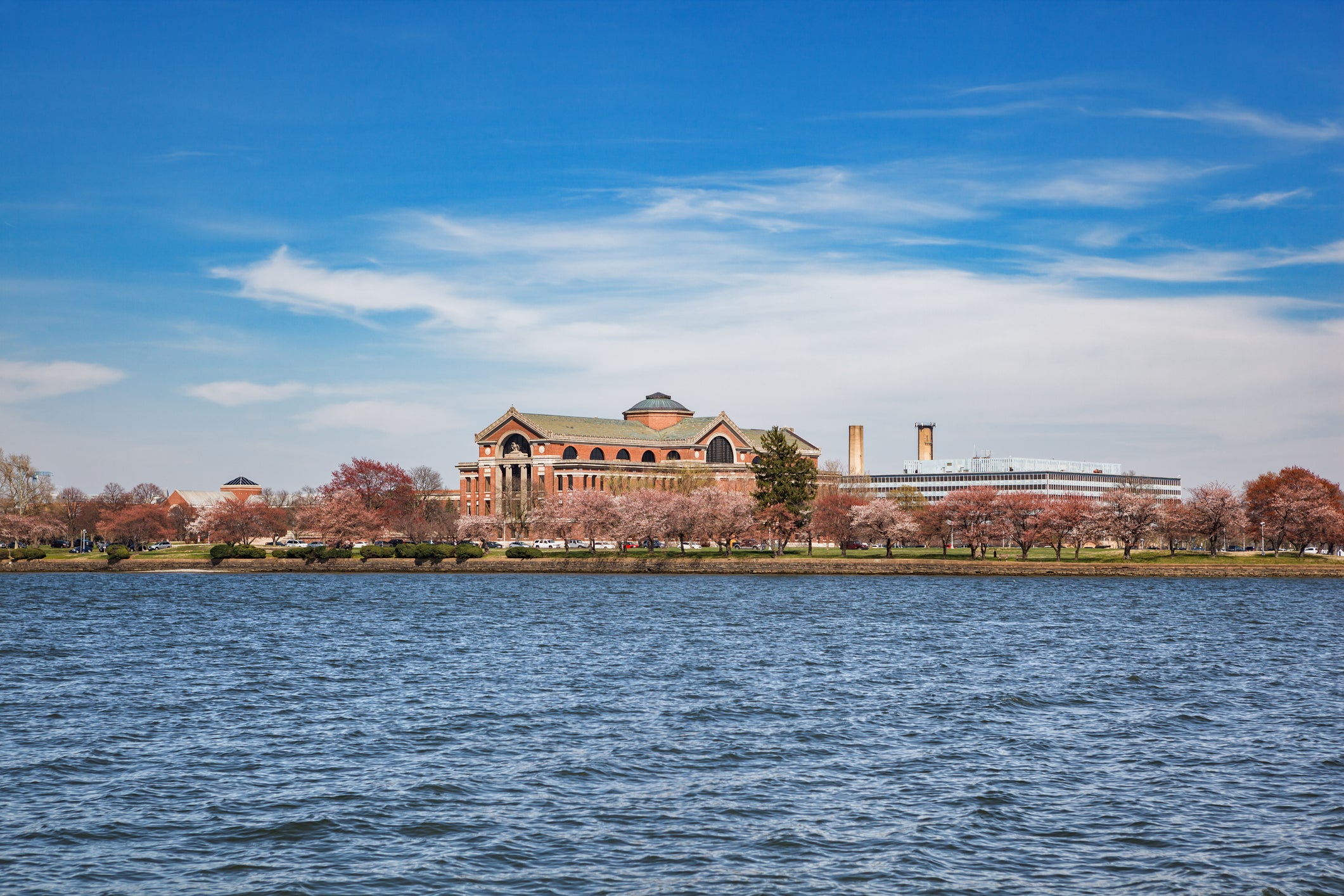 The National War College at Fort Lesley J. McNair on Greenleaf Point in Washington D.C. (Getty Images)
Getty Images
The National War College at Fort Lesley J. McNair on Greenleaf Point in Washington D.C. (Getty Images)
Getty Images
Unidentified drones were spotted hovering over Fort Lesley J. McNair in Washington in recent days, triggering an urgent security review inside the Trump administration and discussions about whether to relocate Secretary of State Marco Rubio and Defense Secretary Pete Hegseth, according to The Washington Post as cited by The Independent. The sightings occurred on one night within the past 10 days, three people briefed on the matter told the Post. Fort McNair is an unusual address for political principals: it is a small Army post near Capitol Hill that houses the National Defense University and senior Pentagon officers, but it lacks the wide standoff distances that protect larger installations.
The episode illustrates how cheap, commercially available drones have collapsed the old assumptions behind VIP protection. A small quadcopter can loiter above a residence, film through windows, map patrol patterns, or simply force a costly response, while the operator can be blocks away—or not on site at all if the aircraft is pre-programmed. The state’s problem is not only interception but attribution: even when a drone is detected, proving who launched it and on whose orders is slow, legally fraught, and often impossible in real time.
Washington’s default response is to expand controlled airspace and layer on new security procedures. Several U.S. bases have raised their force-protection condition to “Charlie,” a posture used when commanders believe an attack is possible, and the State Department has instructed U.S. diplomatic posts worldwide to conduct immediate security evaluations, according to the Post. The result is a familiar ratchet: more no-fly zones, more sensors, more counter-drone systems, and more authority to disrupt signals—without a corresponding improvement in identifying the party responsible.
That creates a durable procurement and bureaucratic logic. Persistent “drone threat” narratives justify new contracts for detection radars, radio-frequency scanners, jammers, directed-energy systems, and managed security services, while the recurring incidents keep budgets from reverting to peacetime baselines. Meanwhile, senior officials can be moved, routes can be changed, and access can be tightened—actions that signal control even if the underlying vulnerability remains.
Fort McNair’s proximity to the White House is what makes it convenient; it is also what makes any low-cost aerial intrusion politically loud. The Pentagon’s chief spokesman Sean Parnell declined to comment on the secretaries’ movements, calling reporting on them “grossly irresponsible,” but the Post reported that relocation was discussed and that the officials have not moved.
The drones over McNair were serious enough to prompt a White House meeting, yet the Post’s sources still described their origin as unknown. For now, the most concrete outcome is that a few minutes of hobbyist-grade flight time has forced the U.S. government to reconsider where its top diplomats and defense leaders sleep.